
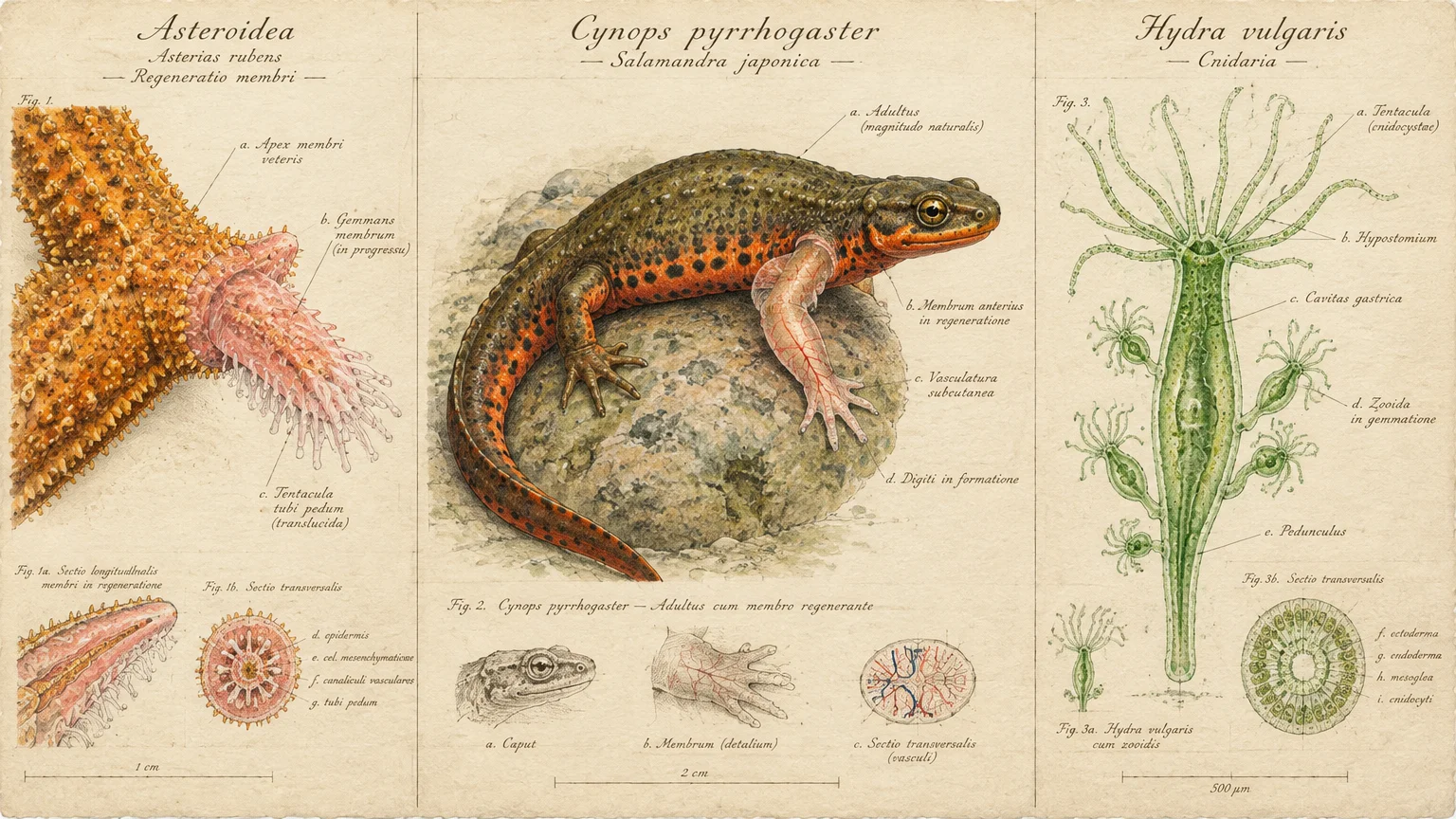
Nature possesses an extraordinary ability to rebuild shattered bodies from scratch. You can watch severed limbs, pierced hearts, and damaged spinal cords rebuild themselves with flawless precision across diverse animal species.
These biological marvels rewrite our understanding of tissue repair while guiding breakthroughs in human regenerative medicine. Exploring these resilient creatures reveals how cellular mastery preserves life against catastrophic trauma.
From backyard geckos to deep-sea invertebrates, remarkable survivors thrive in nearly every ecosystem on Earth. You will discover ten animals that rebuild their bodies and the exact mechanisms powering their recovery.
The Cellular Foundations of Regeneration
Living tissues normally seal traumatic injuries by forming dense fibrous scars. Regenerative animals bypass this scarring pathway entirely by mobilizing specialized cells that rebuild identical organs.
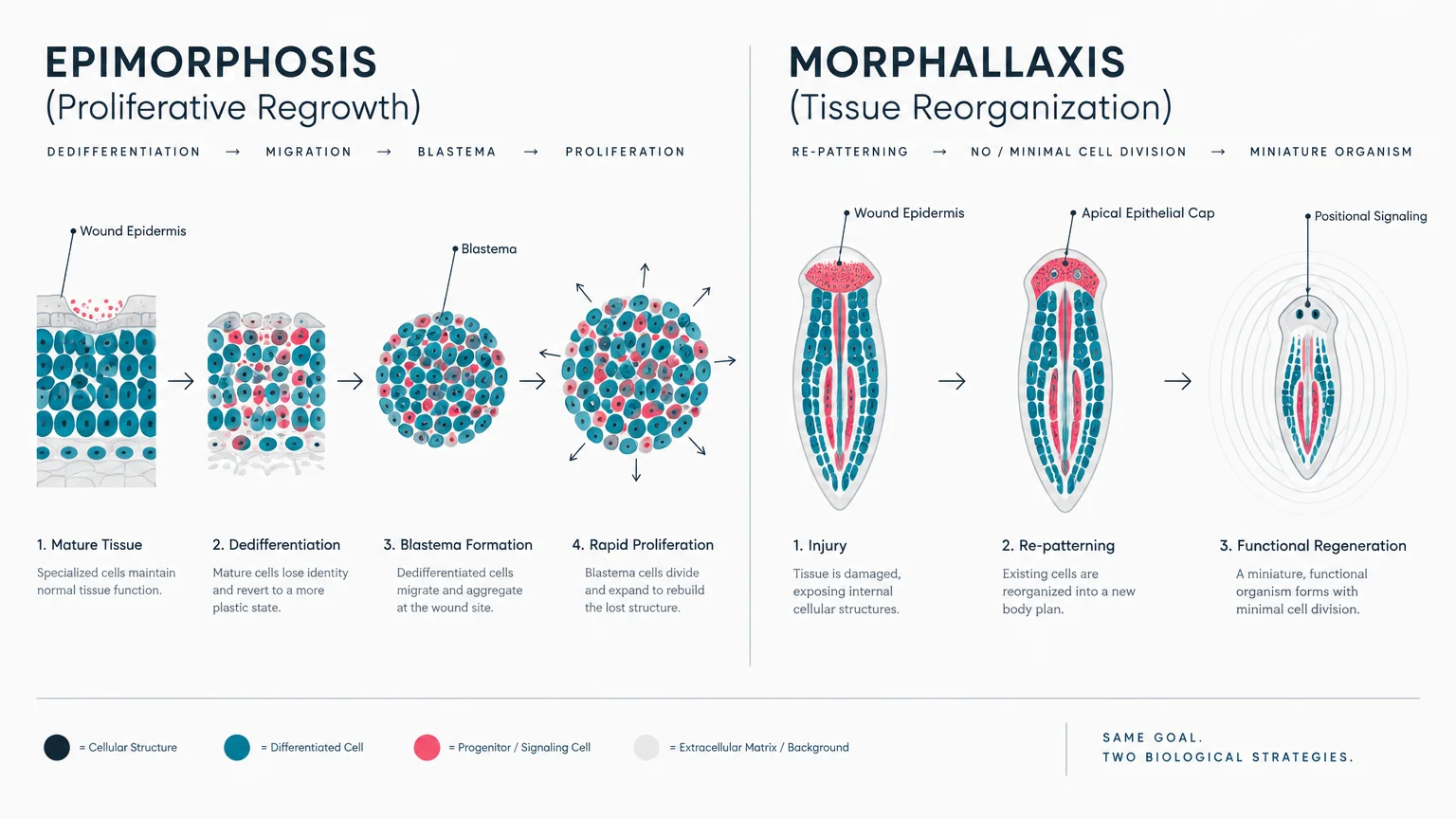
When an injury occurs, mature cells near the wound dedifferentiate into primitive, stem-like building blocks. These unspecialized cells accumulate beneath the wound epidermis to form a proliferative structure called a blastema.
Biologists classify biological renewal into two primary mechanisms: epimorphosis and morphallaxis. Epimorphosis relies on active cellular proliferation within a blastema to replace lost appendages.
Morphallaxis reorganizes existing tissues into functional structures with minimal cell division. Simple aquatic organisms often use morphallaxis to reshape their entire anatomy after severe physical fragmentation.
Research documented by the National Center for Biotechnology Information shows that cellular signaling pathways direct these newly formed tissues. Positional cues guide blastema cells to construct exact anatomical copies of lost limbs.
1. Axolotl: The Champion of Complete Tissue Renewal
The axolotl remains the gold standard of vertebrate regeneration. This Mexican salamander retains its juvenile aquatic form throughout its entire adult life.
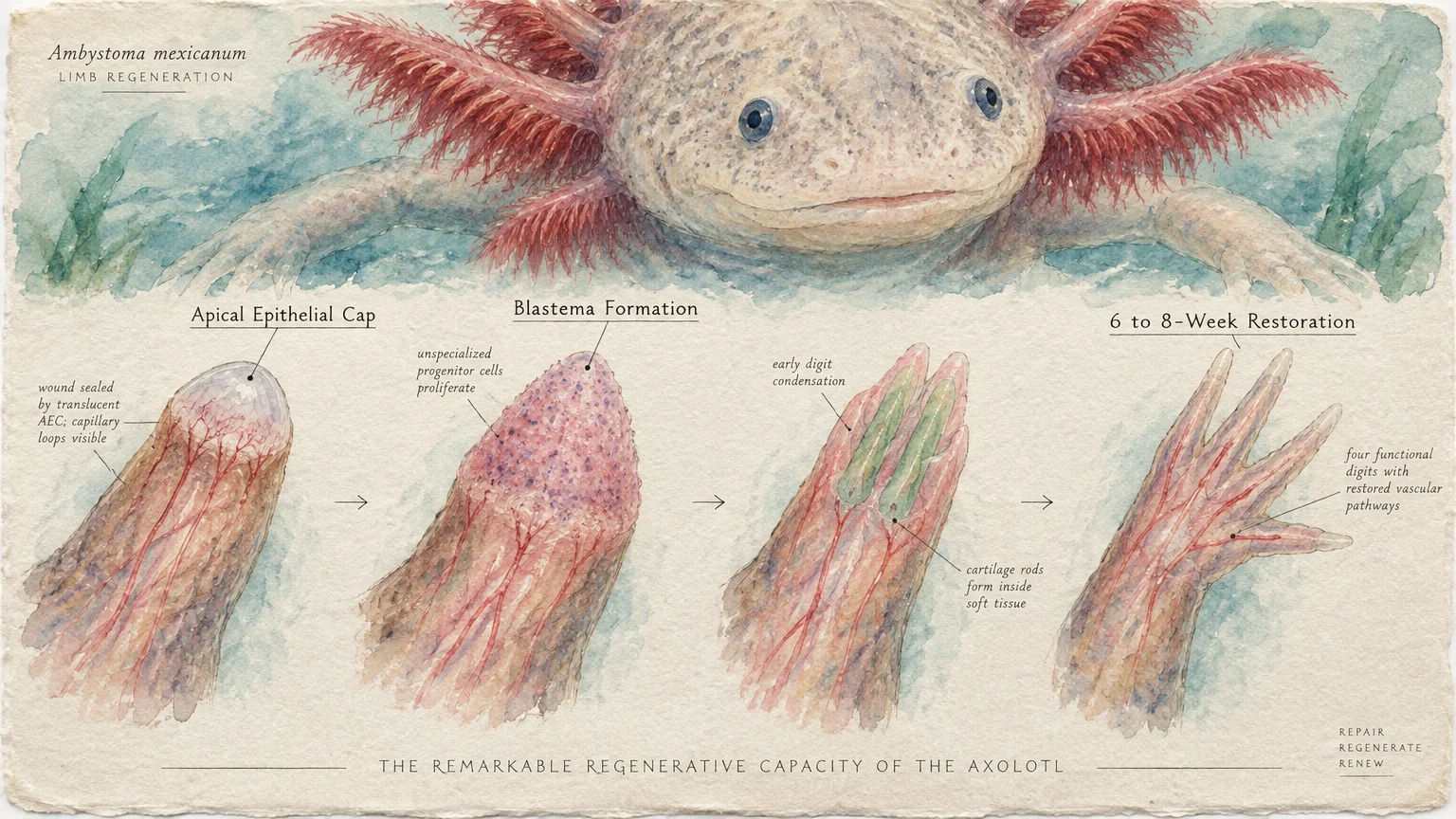
An axolotl can completely regrow a lost limb, tail, eye, heart tissue, or portions of its brain and spinal cord within 2 months. The animal accomplishes this 6 to 8-week feat with zero scarring and full restoration of function.
When an amputation occurs, epidermal cells quickly migrate over the stump to form an apical epithelial cap. This specialized cap releases signaling molecules that convert mature muscle and bone cells back into stem-like progenitors.
The resulting blastema grows rapidly outward, laying down cartilage rods before replacing bones, joints, and tendons. Nerves weave through the new tissue to restore complete sensation and motor control.
Despite its widespread presence in home aquariums and laboratories, the species faces imminent extinction in its native habitat. The IUCN Red List has classified the axolotl as Critically Endangered since 2006.
Urban expansion and severe water pollution triggered a 99% population drop between 1998 and 2014. Current estimates indicate only 50 to 1,000 mature individuals remain in the wild within Mexico City’s Lake Xochimilco canal system.
Conservation biologists work tirelessly to reintroduce captive-bred individuals into restored wetland reserves. A landmark study published in May 2025 by researchers at the Autonomous University of Baja California revealed promising survival trends.
In that study, 18 out of 18 captive-bred axolotls survived and successfully hunted after release into restored Xochimilco wetlands. This 100% survival rate proves that systematic habitat restoration offers viable pathways for species recovery.
2. Starfish: Rebuilding Entire Bodies from Severed Limbs
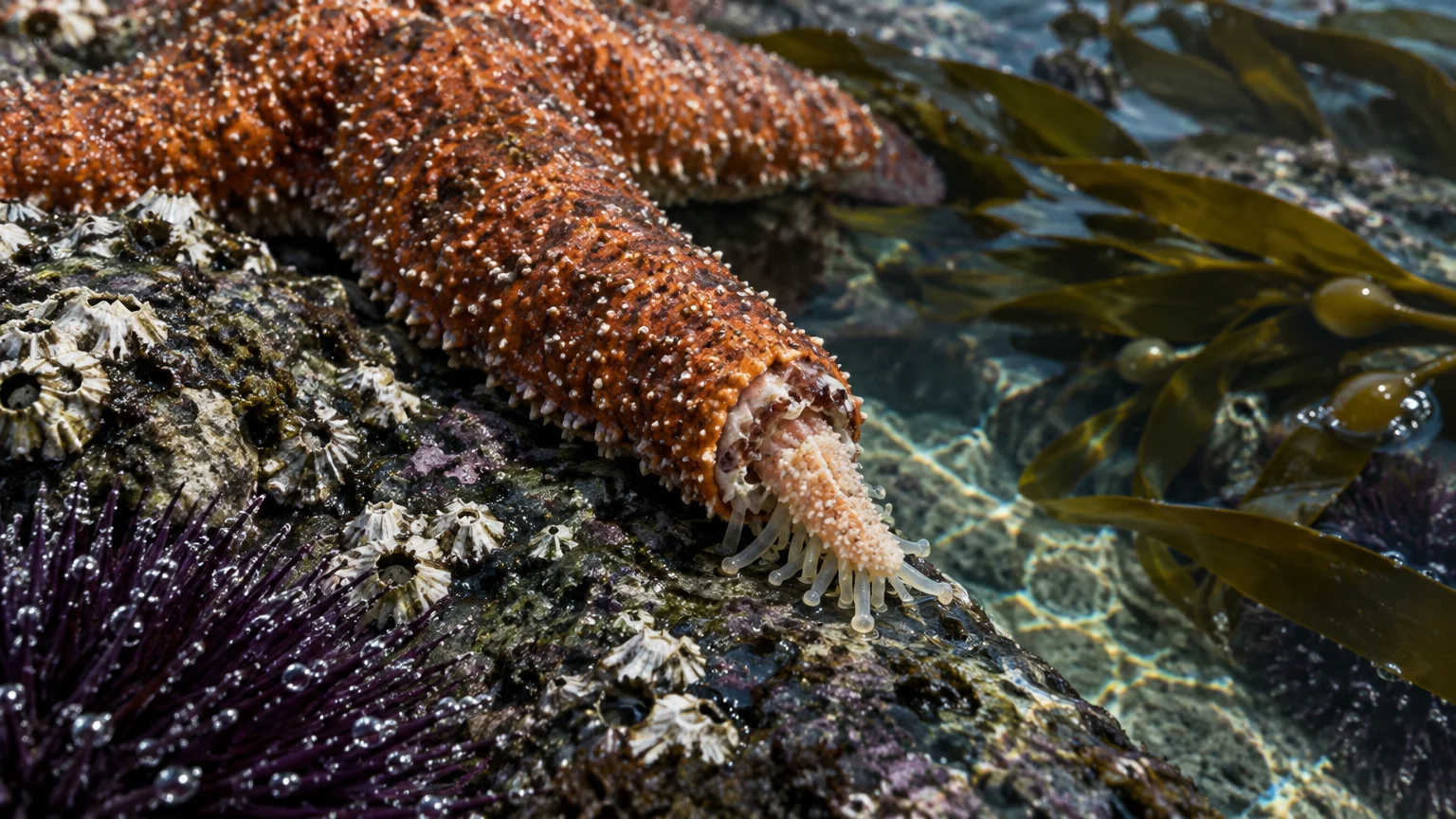
Starfish display some of the most dramatic regenerative feats in the marine environment. These marine invertebrates belong to the class Asteroidea and inhabit every ocean basin on Earth.
Most species possess 5 arms arranged around a central nerve ring, though some species boast up to 50 arms. Predators frequently sever these limbs, yet the sea star treats arm loss as a temporary setback.
Specialized cells migrate directly to the wound surface to seal the hydraulic water vascular system. Once stabilized, the animal slowly generates a replacement limb complete with functioning tube feet and sensory organs.
Certain species take this restorative capacity to miraculous extremes. Members of the genus Linckia can regenerate an entire new body from a single severed arm.
The solitary severed arm produces a new central disc, digestive organs, and auxiliary limbs from its broken edge. Full regeneration takes several months to over 1 year depending on water temperature and nutrient availability.
Biologists refer to these recovering fragments as comet forms due to their disproportionate trailing appearance. The sea star relies on internal nutrient reserves until its mouth and stomach fully develop.
3. Planarian Flatworms: Masters of Cellular Immortality
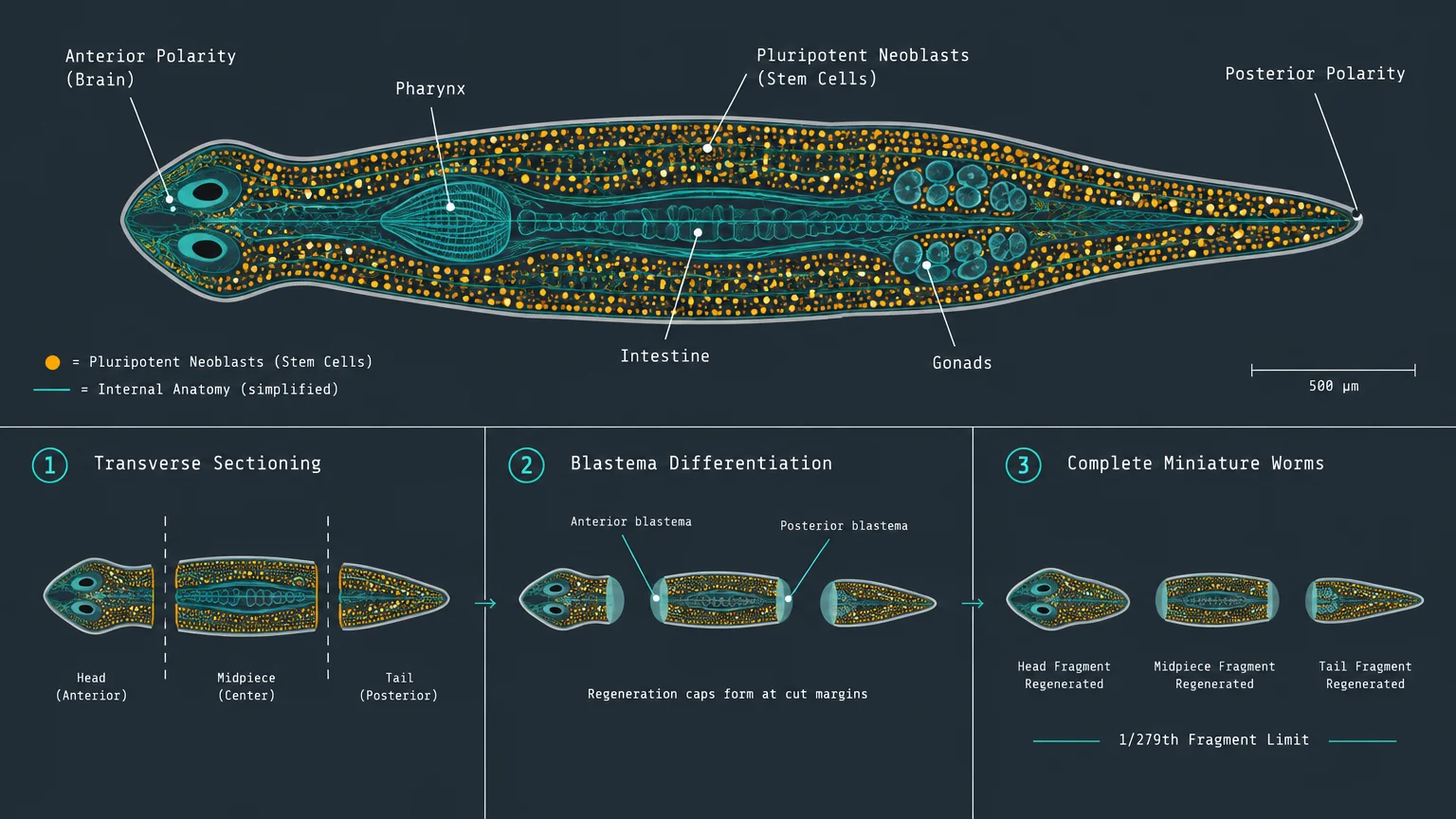
Planarians inhabit freshwater streams and exhibit nearly limitless regenerative capacity. These non-parasitic flatworms rely on adult pluripotent stem cells called neoblasts to repair catastrophic physical trauma.
Neoblasts make up a substantial portion of the flatworm’s cellular architecture. When a predator injures a planarian, these neoblasts immediately mobilize to direct complete anatomical reconstruction.
In 1898, geneticist Thomas Hunt Morgan demonstrated that a tissue fragment as small as 1/279th of the original body size can regenerate an entire functional worm. His pioneering experiments established planarians as fundamental models for modern stem cell biology.
This tiny tissue fragment regrows a new head, sensory eyespots, a functional brain, and digestive tracts within 1 to 2 weeks. The reorganizing cells shrink the existing tissue to preserve proper body proportions throughout the healing process.
Planarians also defy normal biological aging through perpetual cellular replacement. Their telomeres remain protected during continuous divisions, preventing the cellular senescence that damages mammalian organs.
4. Deer: The Fastest Mammalian Tissue Regeneration
Mammalian regeneration is generally limited, but male deer break all standard rules each spring. Deer are the only mammals capable of completely regenerating a complex organ annually.
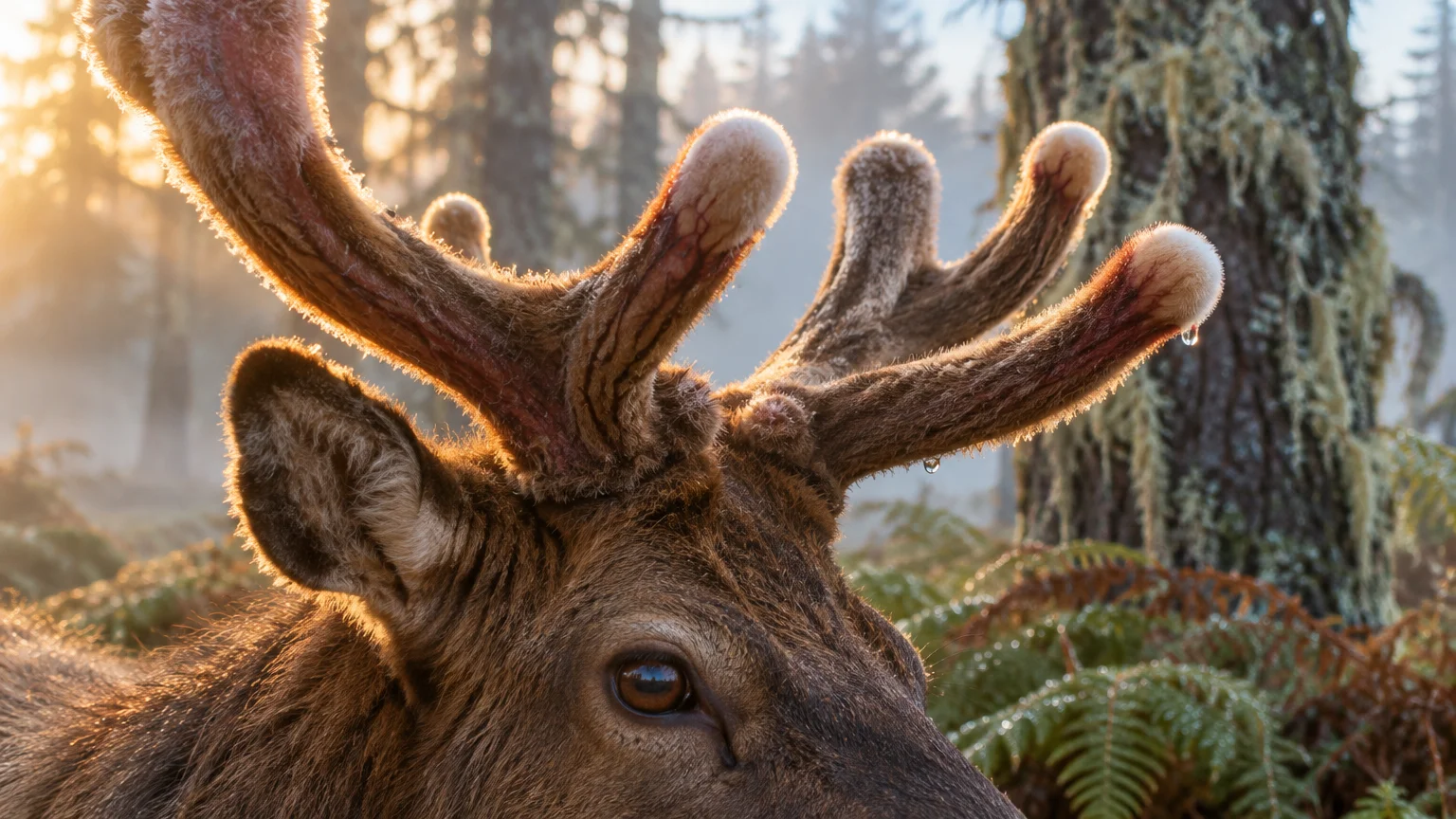
Antlers are living bone organs that sprout, harden, shed, and regrow every year. Unlike permanent bovid horns, antlers cast off completely at the end of every breeding season.
Deer antlers represent the fastest-growing animal tissue on Earth. They can expand at an astonishing rate of up to 1 to 2 inches per day during peak seasonal development.
Growth rates vary noticeably between different cervid species across North America and Eurasia. North American white-tailed deer grow antlers at roughly 0.25 inches per day, while massive elk and moose achieve rates up to 1.5 to 2 inches daily.
This rapid growth occurs over a concentrated 3-to-4-month spring and summer cycle. A vascular skin layer called velvet nourishes the developing bone matrix with hormones, minerals, and growth factors.
Once testosterone levels surge in late summer, the velvet dies and peels away to reveal solid bone. Understanding how deer regulate this rapid osteogenesis without developing bone cancer offers vital medical clues.
5. Zebrafish: Regenerating Damaged Heart Muscle
The zebrafish serves as a premier research subject for developmental biology and cardiovascular repair. This small freshwater minnow possesses genetic networks remarkably similar to human biological systems.
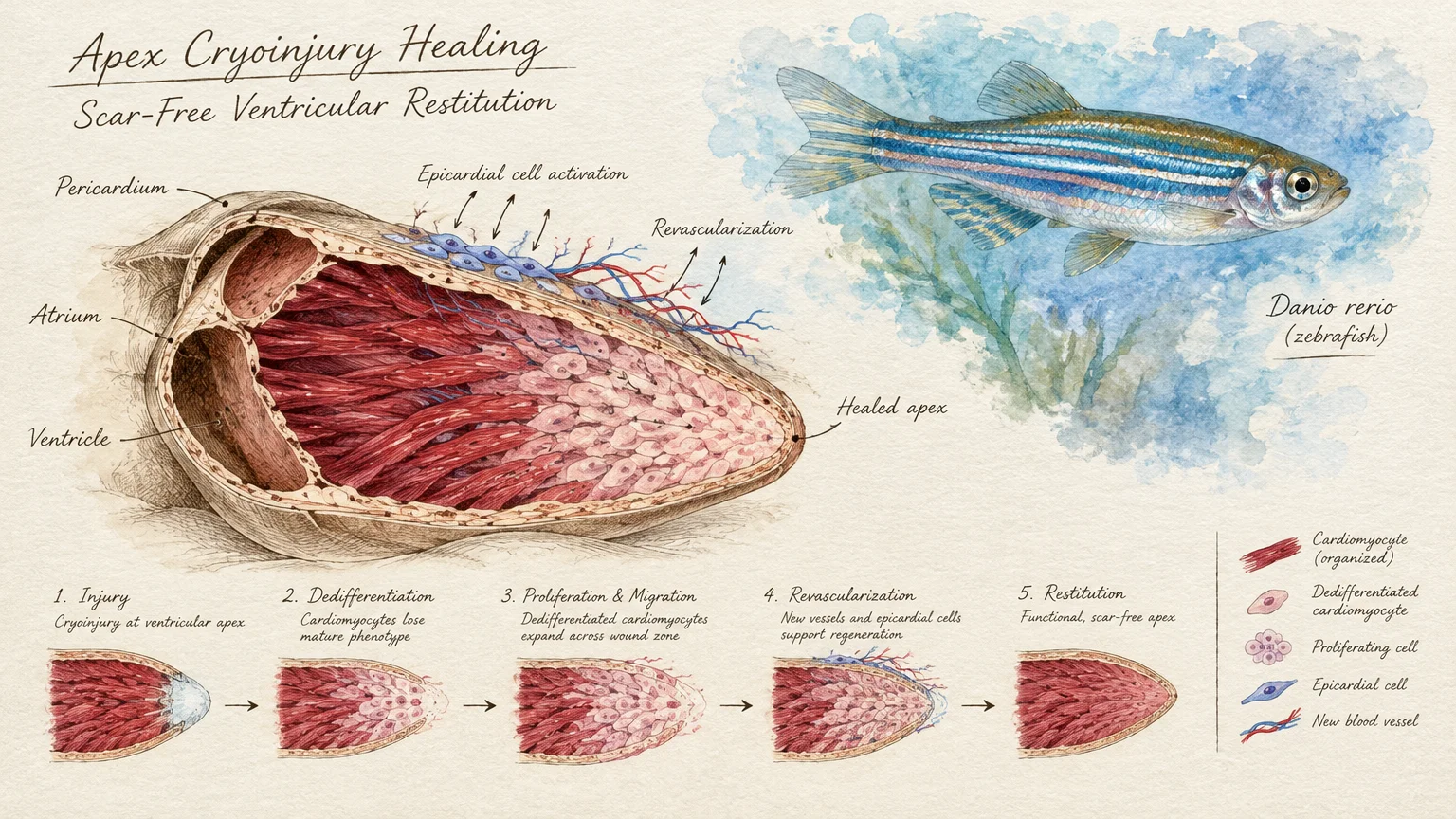
A zebrafish can lose up to 20% of its heart muscle ventricle and fully regenerate the damaged tissue within 30 to 60 days. The fish restores complete circulatory performance without leaving behind permanent scar tissue.
When cardiac trauma occurs, the zebrafish seals the injury site with a temporary fibrin clot. Rather than allowing collagen to form permanent scar tissue, surviving cardiomyocytes unfreeze their specialized state.
These heart muscle cells proliferate rapidly, migrating through the temporary scaffold to replace lost cardiac muscle. Within weeks, the newly formed heart muscle synchronizes electrical pulses with surrounding tissues.
Human heart attacks cause permanent fibrosis because our cardiac cells cannot proliferate after severe damage. Studying zebrafish cardiac renewal helps researchers design targeted therapies to reverse human heart failure.
6. Elysia Sea Slugs: Extreme Autotomy and Solar Survival
Marine invertebrates produce some of the most surprising behavioral and biological strategies on Earth. Sacoglossan sea slugs take bodily renewal to levels that resemble science fiction.
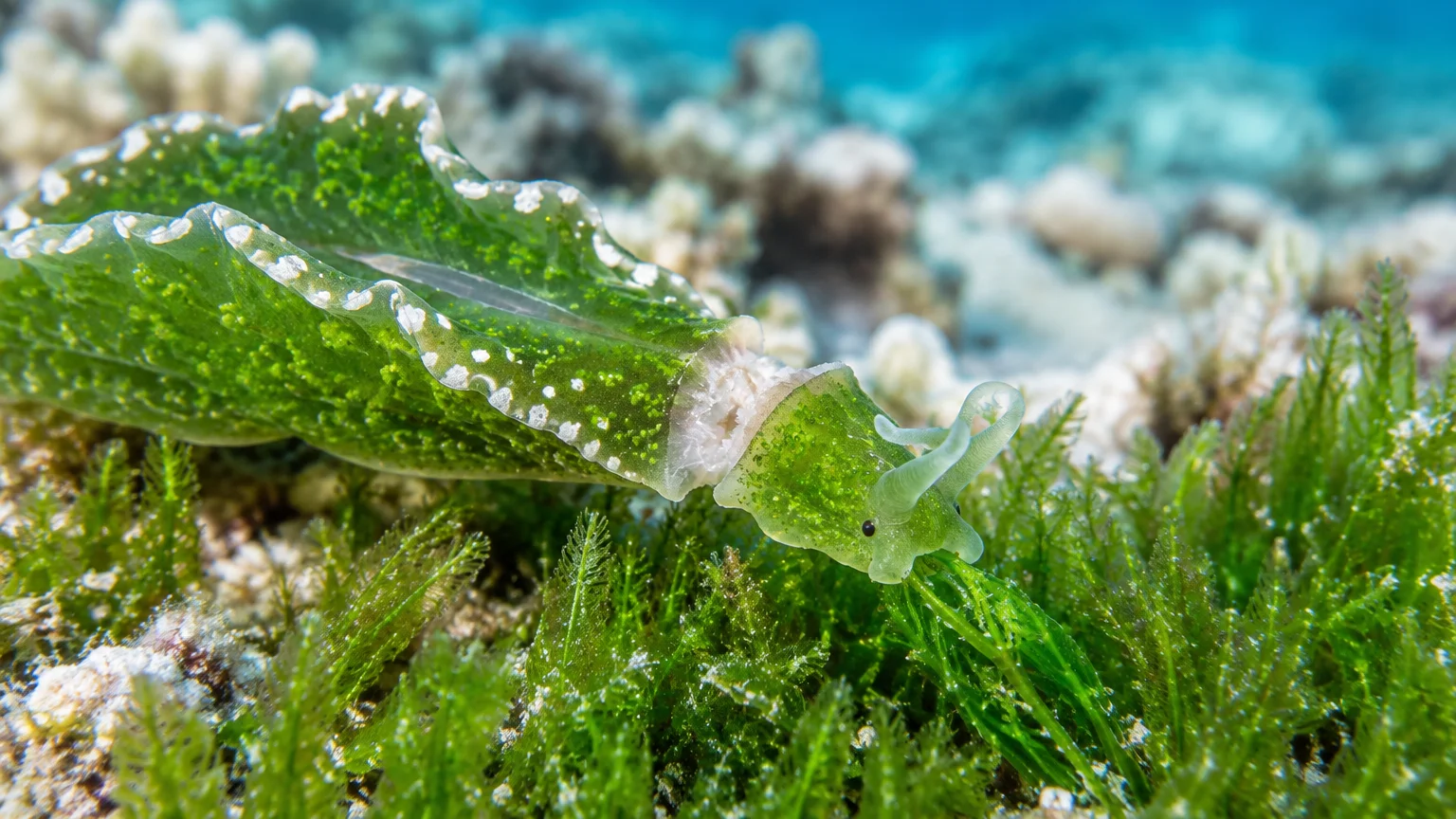
In 2021, researchers discovered that sea slugs such as Elysia marginata intentionally decapitate themselves. The slug sheds its entire body—including its heart and digestive tract—to escape debilitating internal parasites.
The severed head crawls away within hours of detachment, hunting for fresh algae along the seafloor. It seals its open neck wound within 1 day to prevent fatal fluid loss.
The floating head begins regenerating a new beating heart within 7 days. It continues rebuilding its complex internal organs, constructing a complete, parasite-free body in roughly 20 days.
You might wonder how a severed head survives for weeks without a heart or digestive system. The slug incorporates chloroplasts from the algae it eats into its own cells, living entirely on solar power while rebuilding its body.
7. Sea Cucumbers: Expelling Internal Organs to Survive
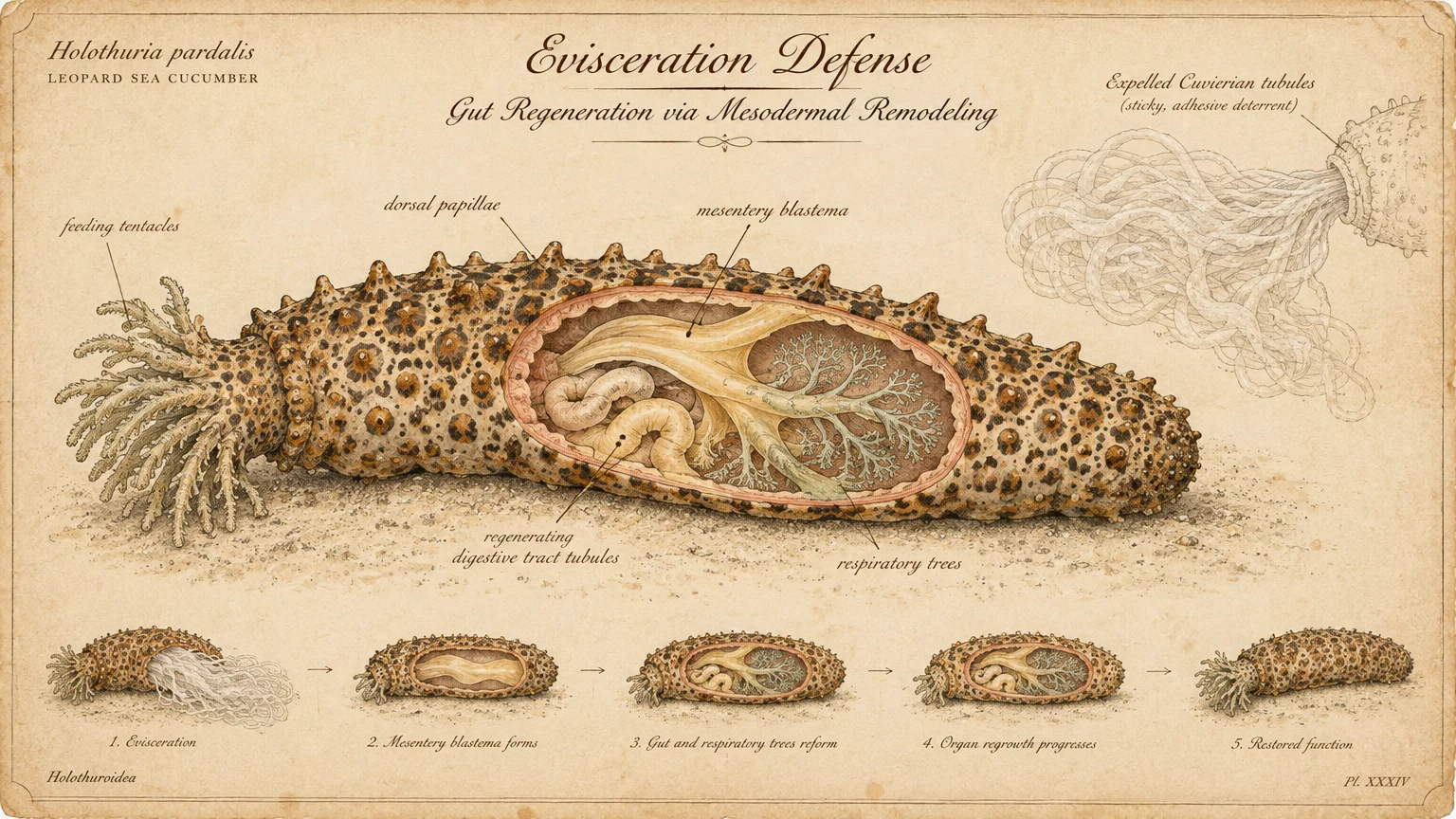
Sea cucumbers spend their lives grazing the ocean floor, processing organic detritus to maintain healthy marine ecosystems. When confronted by aggressive predators, they deploy an astonishing survival strategy called evisceration.
The animal ruptures its body wall and forcefully expels its internal organs toward the predator. It ejects its digestive tract, respiratory trees, and gonads in a tangled, sticky mass that confuses attackers.
The defensive maneuver allows the deflated sea cucumber to crawl into a safe crevice to begin tissue renewal. It heals its torn internal wounds in as little as 1 week.
Following initial wound closure, specialized cells rebuild the entire internal digestive system. The sea cucumber completely regenerates its digestive tract within 2 to 5 weeks depending on environmental conditions.
This rapid recovery relies on connective tissue plasticity and dedifferentiating muscle fibers. Once its internal organs return to functional status, the animal resumes its normal bottom-feeding behaviors.
8. Geckos and Green Anoles: Tactical Tail Autotomy
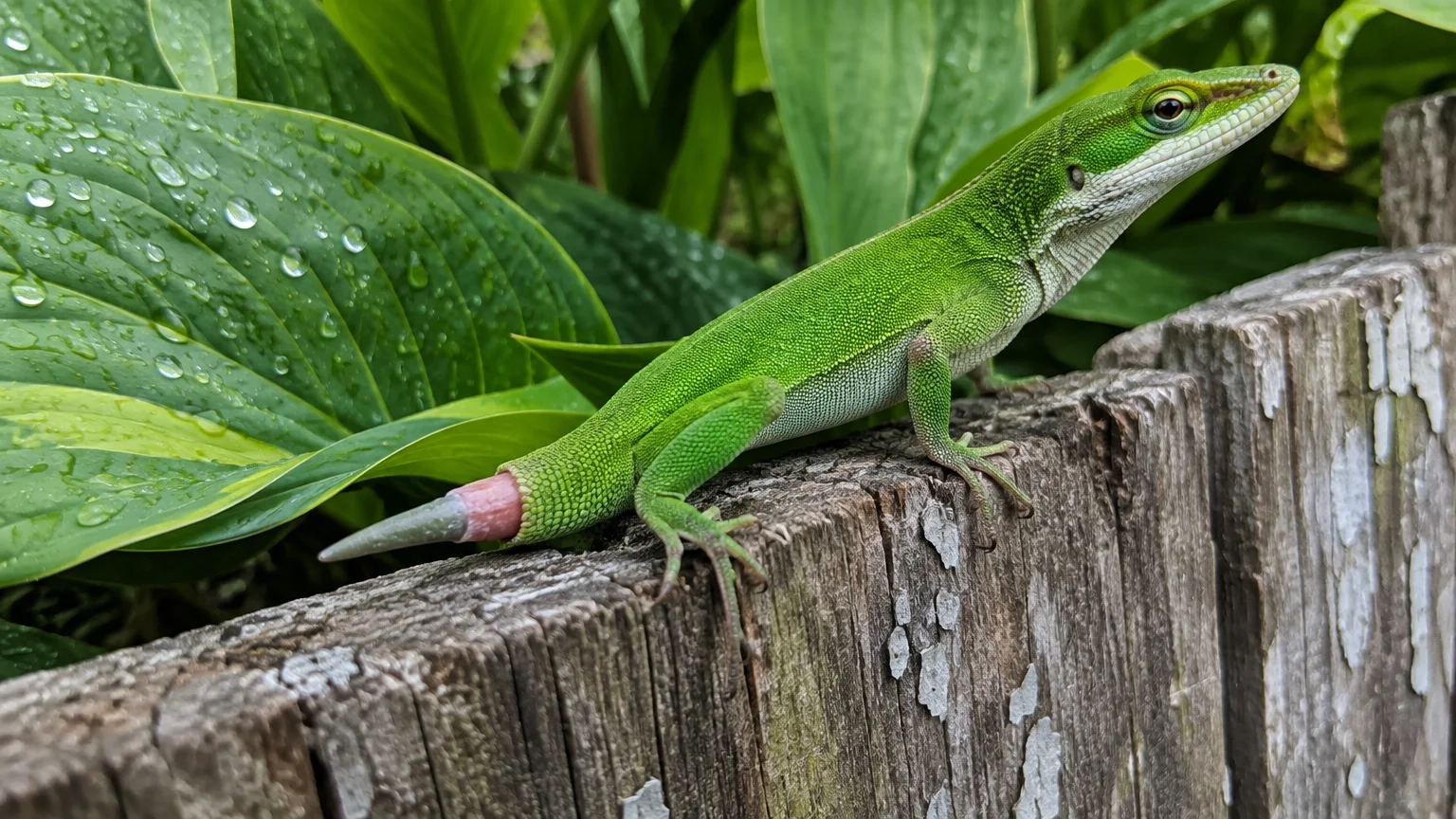
Many reptile species drop their tails to escape predatory attacks in a process known as caudal autotomy. Green anoles and various gecko species use this tactic to distract predators with a thrashing, severed tail.
Specialized fracture planes along the caudal vertebrae allow the tail to separate cleanly with minimal blood loss. Muscular rings contract immediately around local blood vessels to prevent fatal hemorrhage.
The lizard takes roughly 30 to 60 days to regrow a replacement tail. This 4 to 9-week renewal requires immense caloric investment and metabolic effort.
Unlike the immaculate limb regeneration of salamanders, the regrown lizard tail is an imperfect structural copy. The animal replaces its original segmented vertebrae with a single hollow cartilage tube.
The replacement tail also lacks regenerated nerve cells within the spinal cord, filling the space with simple nerve fibers. The exterior scales and pigmentation patterns often differ noticeably from the original appendage.
Losing a tail carries significant survival costs for the animal. Reptiles store vital fat deposits in their tails, meaning tail loss temporarily reduces winter survival and reproductive success.
9. Hydra: The Immortal Freshwater Polyp
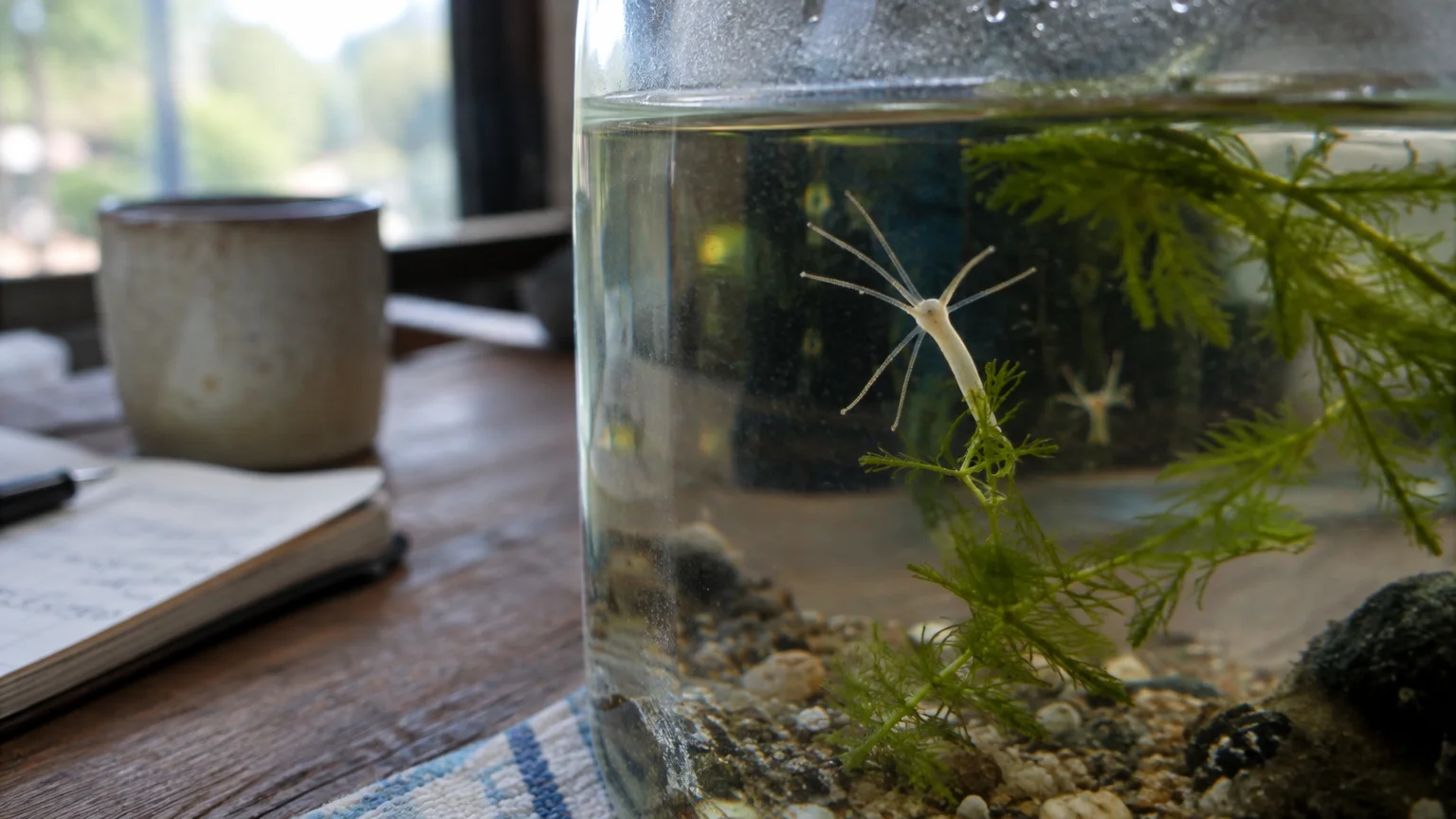
The tiny freshwater cnidarian Hydra represents one of nature’s greatest biological oddities. Measuring only a few millimeters in length, this tubular creature lives suspended among aquatic vegetation.
Hydra organisms do not undergo physiological senescence under favorable ecological conditions. Their bodies maintain three distinct populations of active stem cells that divide continuously.
If you slice a Hydra into multiple pieces, each fragment quickly regenerates into a complete miniature animal. The creature relies on morphallaxis, reorganizing existing cells without requiring substantial cell growth.
The regeneration process begins within hours as the sliced tissue forms a smooth sphere. Head organizer cells signal local tissues to develop a functional mouth and stinging tentacles within several days.
This astonishing ability to renew every cell in its body every few weeks makes Hydra practically immortal. Scientists study its genome to isolate genes that govern continuous tissue maintenance.
10. Sponges: Ancient Masters of Cellular Reassembly
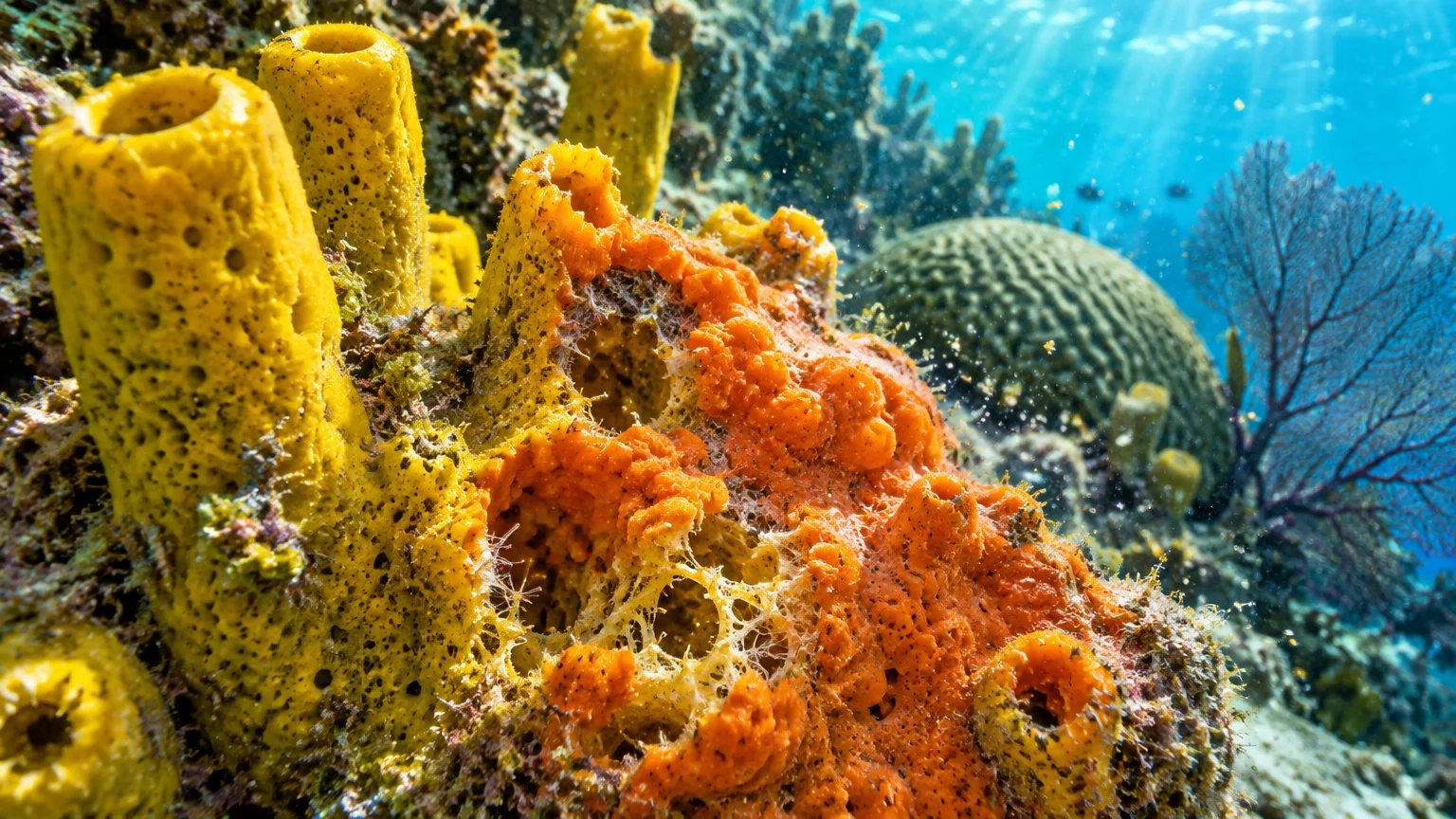
Sponges represent some of the most primitive multicellular life forms on our planet. Lacking true organs, specialized tissues, and nervous systems, they rely on flexible cellular cooperation.
If you push a living sponge through a fine mesh sieve, its individual cells separate entirely into suspension. Within hours, these scattered cells crawl toward one another and reaggregate into functional colonies.
Totipotent amoebocytes lead this collective reorganization. These versatile cells migrate actively, changing their functional identity to recreate structural channels, filter chambers, and exterior walls.
This incredible plasticity allows marine sponges to recover from violent wave damage and predatory browsing. Their simple organization provides ultimate resilience against physical destruction.
Evolutionary Adaptations and the Costs of Regeneration
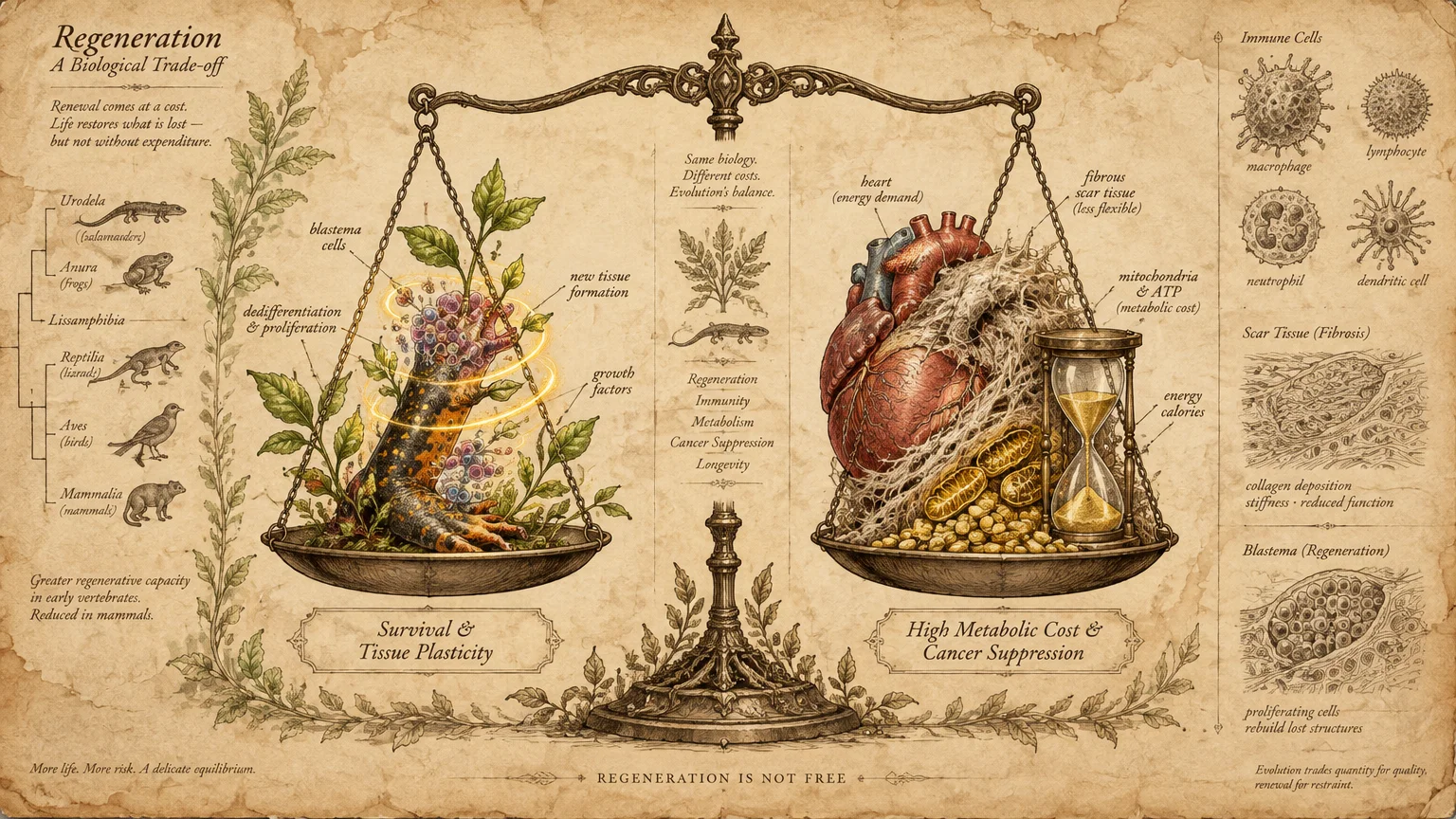
Regeneration offers clear survival advantages, yet most complex animals possess very limited regenerative powers. Evolutionary biologists study why natural selection favored rapid scarring over complete tissue renewal in mammals.
Rebuilding complex tissues demands extraordinary metabolic energy. An animal regenerating an appendage must channel vital calories away from foraging, predator evasion, and active reproduction.
Speed often matters more than structural perfection when escaping life-threatening infections in the wild. Mammals evolved aggressive immune responses that seal open wounds quickly with fibrous collagen scar tissue.
This immediate fibrous barrier prevents fatal blood loss and bacterial contamination in dangerous terrestrial environments. Unfortunately, rapid scar formation physically blocks blastema cells from organizing and regrowing lost limbs.
Cancer suppression presents another evolutionary hurdle for complex organisms. Animals that maintain massive reservoirs of proliferating stem cells must possess bulletproof genetic controls to prevent runaway tumor growth.
Regenerative creatures like axolotls have developed sophisticated molecular checkpoints that shut down cell division once tissue repair finishes. Unlocking these genetic brakes and accelerators remains a central goal of modern genetics.
Morphallaxis and epimorphosis also highlight different evolutionary paths to the same functional survival goal. Simple organisms reshape existing structures, while complex vertebrates construct new tissue from scratch.
Each regenerative strategy reflects millions of years of fine-tuning against environmental pressures. When you examine these creatures, you observe nature’s most sophisticated solutions to physical trauma.
How Animal Regeneration Informs Human Medicine
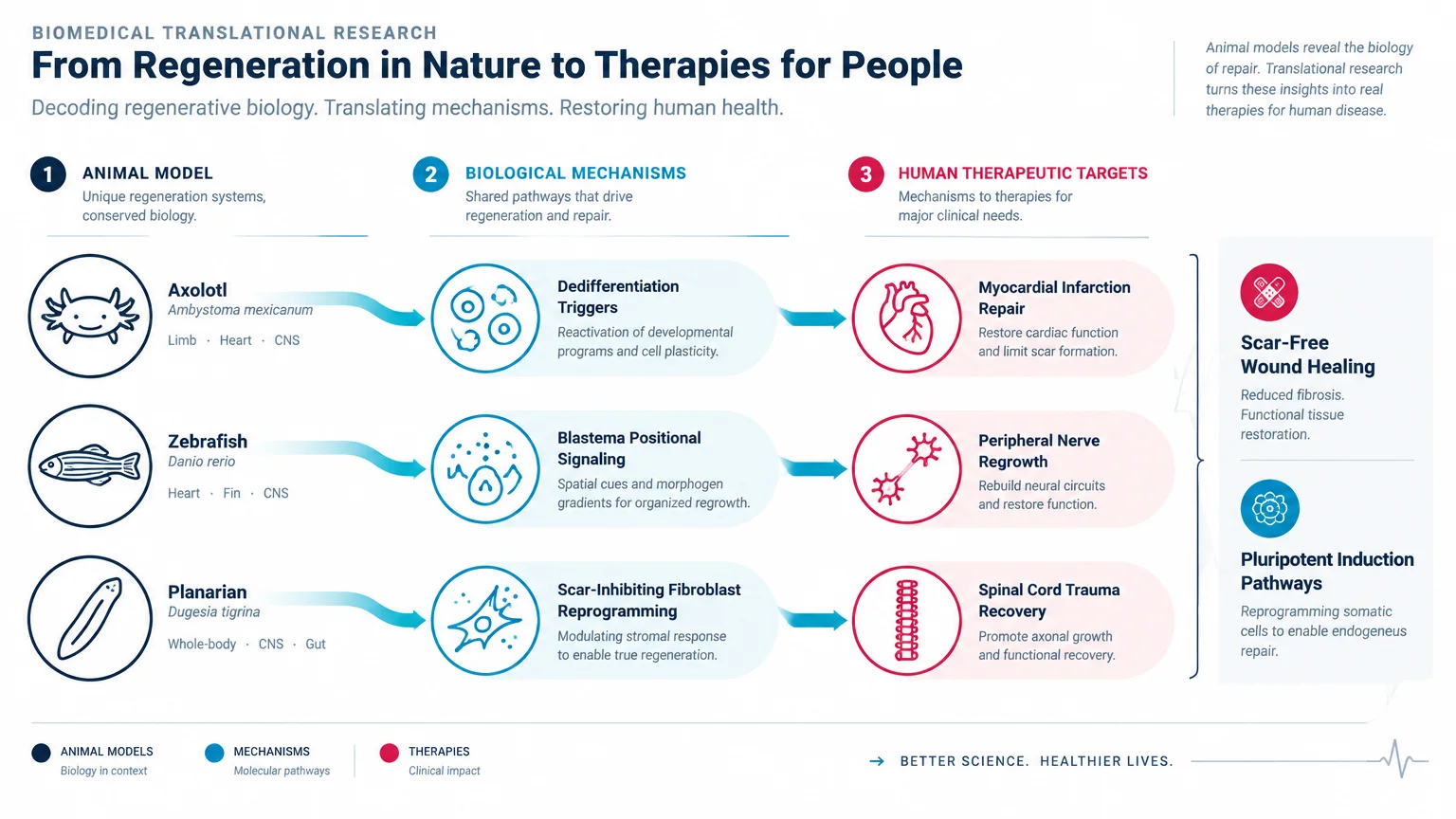
Human bodies can regenerate liver tissue, fingertips in young infants, and the outer layer of skin. However, we cannot naturally replace amputated arms, severed spinal cords, or damaged heart muscle.
Researchers at the Smithsonian Institution and university laboratories worldwide analyze regenerative genomes to close this clinical gap. Scientists compare human genetic sequences with axolotl and zebrafish blueprints to locate shared developmental pathways.
Mammalian cells actually carry the genetic coding necessary to construct limbs during embryonic development. Those developmental genetic programs switch off permanently once our bodies finish initial growth.
Biomedical engineers experiment with molecular signals to awaken dormant developmental pathways in adult human tissues. Applying specific growth factors to amputation injuries may someday suppress scarring while encouraging blastema formation.
Cardiovascular specialists focus on zebrafish biology to discover therapies for coronary artery disease. If clinicians can coax human heart muscle to replicate without scarring, heart failure mortality could drop dramatically.
Neurobiologists study salamander spinal cord repair to treat paralyzing human injuries. Understanding how salamander glial cells build permissive bridges across severed nerves could lead to treatments for chronic spinal trauma.
Groundbreaking publications in Nature highlight how bioelectric signals direct tissue patterning. Manipulating voltage gradients across damaged human wounds could eventually direct cells to build replacement structures.
Stem cell researchers also isolate the genetic mechanisms that protect planarians from cellular aging. Applying these cellular repair insights could revolutionize how doctors address degenerative diseases in aging human populations.
By studying how animals manage tissue growth without developing tumors, oncologists identify new cancer therapies. Nature provides proven blueprints for healthy cellular proliferation and controlled termination.
Stewardship, Conservation, and Pet Care Strategies
Understanding regenerative biology carries real-world ethical responsibilities for animal lovers and pet owners. You can take concrete steps to support wild populations and maintain captive animals safely.
If you keep an axolotl at home, maintaining pristine water chemistry is essential for proper health. Poor water quality, elevated ammonia levels, and high temperatures compromise the salamander’s immune defenses and regenerative abilities.
Keep aquarium water temperatures strictly between 60 and 68 degrees Fahrenheit to prevent physiological stress. Use gentle filtration systems, as strong water currents cause chronic stress and skin lesions.
Never house axolotls with aggressive fish or incompatible tank mates that nibble delicate external gills. While axolotls can regrow lost gills, repeated trauma drains metabolic energy and invites bacterial infections.
Feed your captive axolotls high-quality earthworms, blackworms, and balanced sinking pellets. Proper nutrition provides the protein and micronutrients required to fuel cellular regeneration and maintain tissue health.
If you own pet geckos or anoles, handle them gently around the torso rather than grabbing the tail. Tail autotomy costs your pet substantial fat reserves and creates open wounds susceptible to secondary infection.
Maintain appropriate humidity and temperature gradients inside your reptile enclosure to support healthy skin shedding. Poor shedding can constrict blood flow to toes and tail tips, causing accidental tissue loss.
Consult certified veterinary professionals through the Association of Reptilian and Amphibian Veterinarians if your pet suffers trauma. Professional care ensures clean recovery without septic complications.
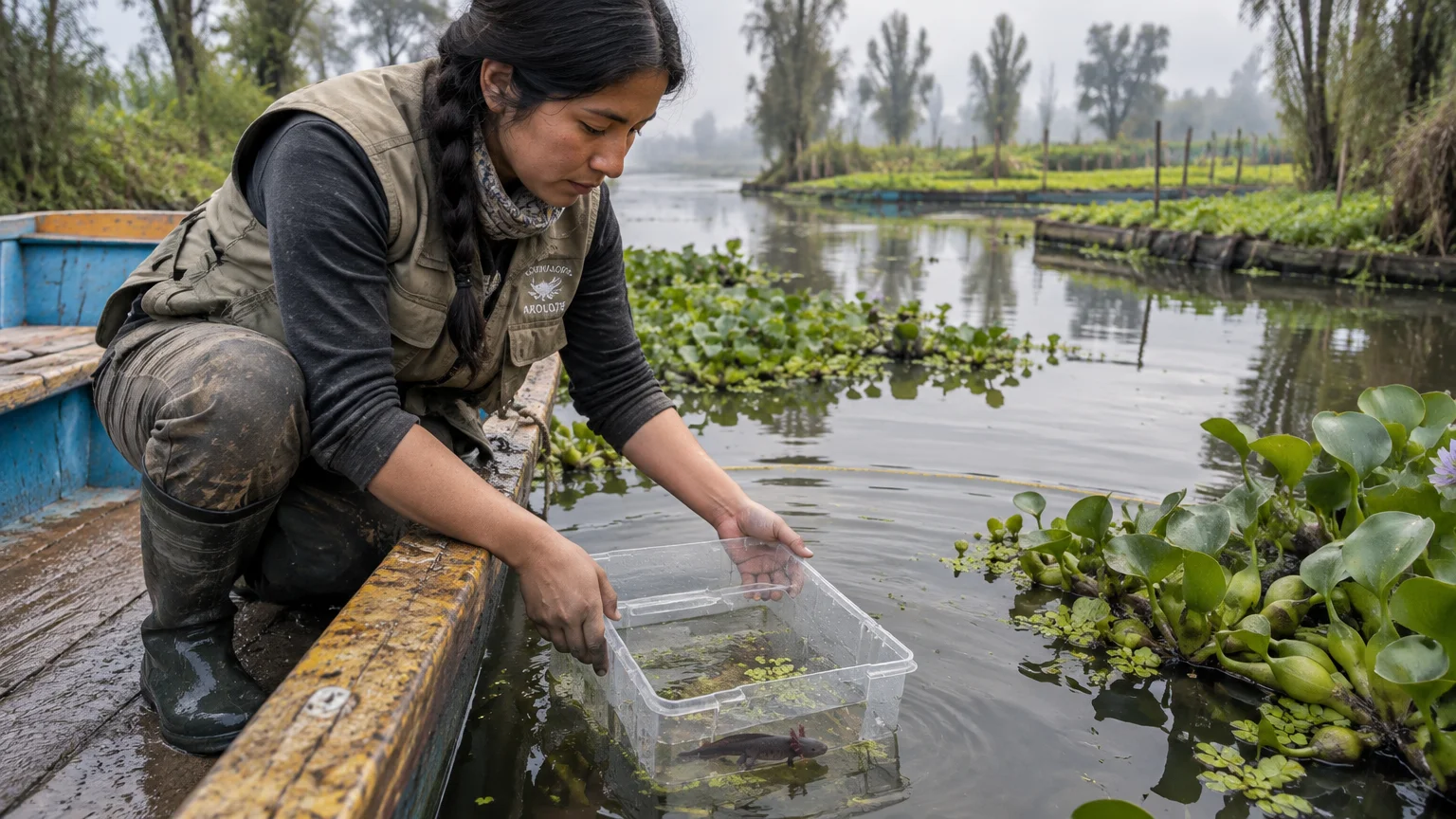
Wild regenerative animals face mounting threats from climate disruption, industrial pollution, and habitat destruction. Protecting the freshwater canals of Lake Xochimilco requires supporting local chinampa farming practices that eliminate toxic agricultural runoff.
You can support global wetland conservation programs and marine protected areas that shield fragile marine regenerators. Reducing single-use plastics and chemical fertilizer runoff protects sensitive coastal ecosystems where starfish and sea cucumbers thrive.
Participating in citizen science initiatives allows you to document reptile and amphibian populations in your local area. Reporting your field observations to biodiversity databases helps scientists track species health and monitor environmental pressures.
Your everyday choices directly impact the survival of these remarkable species. Supporting ethical wildlife organizations preserves the natural habitats where these biological marvels evolve and thrive.
Frequently Asked Questions
Why cannot humans regrow lost limbs like salamanders?
Humans evolved rapid wound-healing mechanisms that prioritize fibrous scar formation over slow cellular regeneration. This scarring response closes wounds quickly against lethal bacterial infections but blocks blastema formation.
Mammalian cells also downregulate the developmental genes required to rebuild complex limbs after early childhood. Activating those pathways in adult humans could risk uncontrolled cell growth and tumor formation.
Does losing a tail harm a lizard over the long term?
Tail loss saves a lizard from immediate predation, but it imposes significant biological and energetic penalties. Lizards store vital fat reserves in their tails, so autotomy reduces winter survival and reproductive stamina.
Regrowing the replacement tail diverts substantial energy away from normal body growth and immune maintenance. The replacement tail contains a rigid cartilage rod rather than flexible bone, slightly altering the lizard’s agility.
How do aquarium water conditions affect axolotl regeneration?
Suboptimal water chemistry severely impairs the axolotl’s ability to rebuild lost limbs and organs. Elevated ammonia, chlorine, or warm water temperatures suppress immune function and trigger fatal fungal infections at wound sites.
You should maintain clean, cool, well-oxygenated water to provide the ideal environment for cellular recovery. Pristine conditions allow the animal to allocate all its energy toward blastema growth and tissue synthesis.
Can a starfish regrow if its central disc is completely destroyed?
Most starfish species require at least a portion of their central disc intact to successfully regrow lost tissues. The central ring contains essential nervous coordination and digestive systems needed to support bodily repair.
However, specialized species like Linckia sea stars can regenerate their entire body from a single severed arm without any disc tissue. These remarkable arms utilize localized nutrient stores to construct a new disc and mouth from scratch.
Protecting Nature’s Master Builders
Regenerative creatures prove that nature holds ingenious solutions to traumatic injury and cellular decay. These ten animals challenge our assumptions about biological limits and inspire revolutionary advances in human health.
Every regenerating organism—from the microscopic Hydra to the majestic bull elk—relies on delicate ecological balances to survive. Their continued existence depends on our commitment to clean waterways, preserved habitats, and responsible stewardship.
When you support wildlife conservation and practice mindful animal care, you protect millions of years of evolutionary genius. Preserving these remarkable creatures ensures their biological secrets continue to inspire and heal generations to come.


