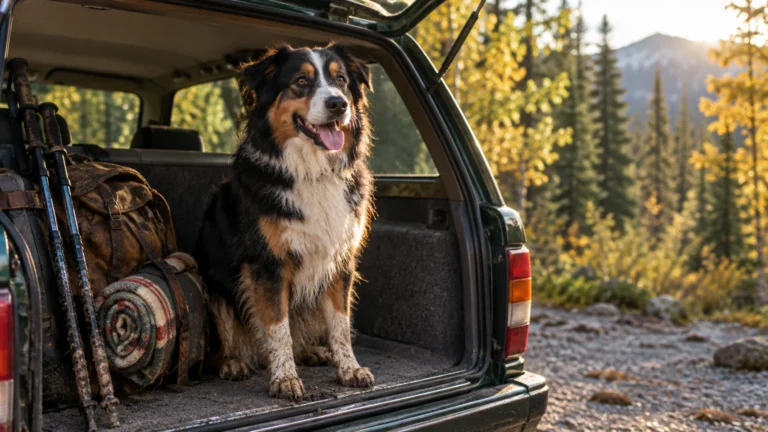
Morning coffee tastes better when a familiar nose nudges your elbow, whether it belongs to an eager Labrador, a perceptive Poodle, or a bold Chihuahua.
Across 71 million dog-owning U.S. households, pet parents often wonder if their favorite companion reflects their own temperament and lifestyle. You may recognize your own social energy, routines, and stress responses in the dog sleeping beside you.
Behavioral science separates playful myths from real personality links while showing how breed traits shape daily care. Use these evidence-based insights to match your dog’s genetics with smarter routines, enrichment, and training.
What Science Actually Says About Dog Owners and Personality
Sharing your sofa with a dog has become a defining feature of modern life. According to 2026 reports on 2025 data from the American Pet Products Association, 53% of U.S. households own a dog out of 95 million total pet-owning homes.
Those families care deeply about giving their companions rich, healthy lives. Total U.S. pet industry spending reached $158 billion in 2025 and is projected to climb to $165 billion in 2026.
The American Veterinary Medical Association reported roughly 87.3 million pet dogs across the United States in 2025, averaging 1.6 dogs per dog-owning household. Pew Research Center findings cited in 2026 show that 97% of pet owners view their animals as family, and 51% consider them equal to human family members.
Why Labradors, Poodles, and Chihuahuas Remain Favorites
Whether you prefer purebred companions or mixed-breed rescues, these three iconic breeds show up everywhere. Out of 202 counted breeds in the American Kennel Club’s 2025 registration statistics released in March 2026, the Labrador Retriever holds the No. 2 spot.
Labradors have maintained second place for three straight years after the French Bulldog ended their remarkable 31-year streak at No. 1 in 2022. Meanwhile, the Poodle—combining Standard, Miniature, and Toy varieties—ranks No. 6, and the Chihuahua sits at No. 24.
Broader household data shows an even stronger presence for mixed breeds and crossbreeds. Rover’s 2025 rankings place Mixed Breeds at No. 1, followed by Labrador Retrievers at No. 2, Goldendoodles at No. 4, Chihuahuas at No. 6, Labradoodles at No. 14, and purebred Poodles at No. 16.
Do Dog People Share Measurable Personality Traits?
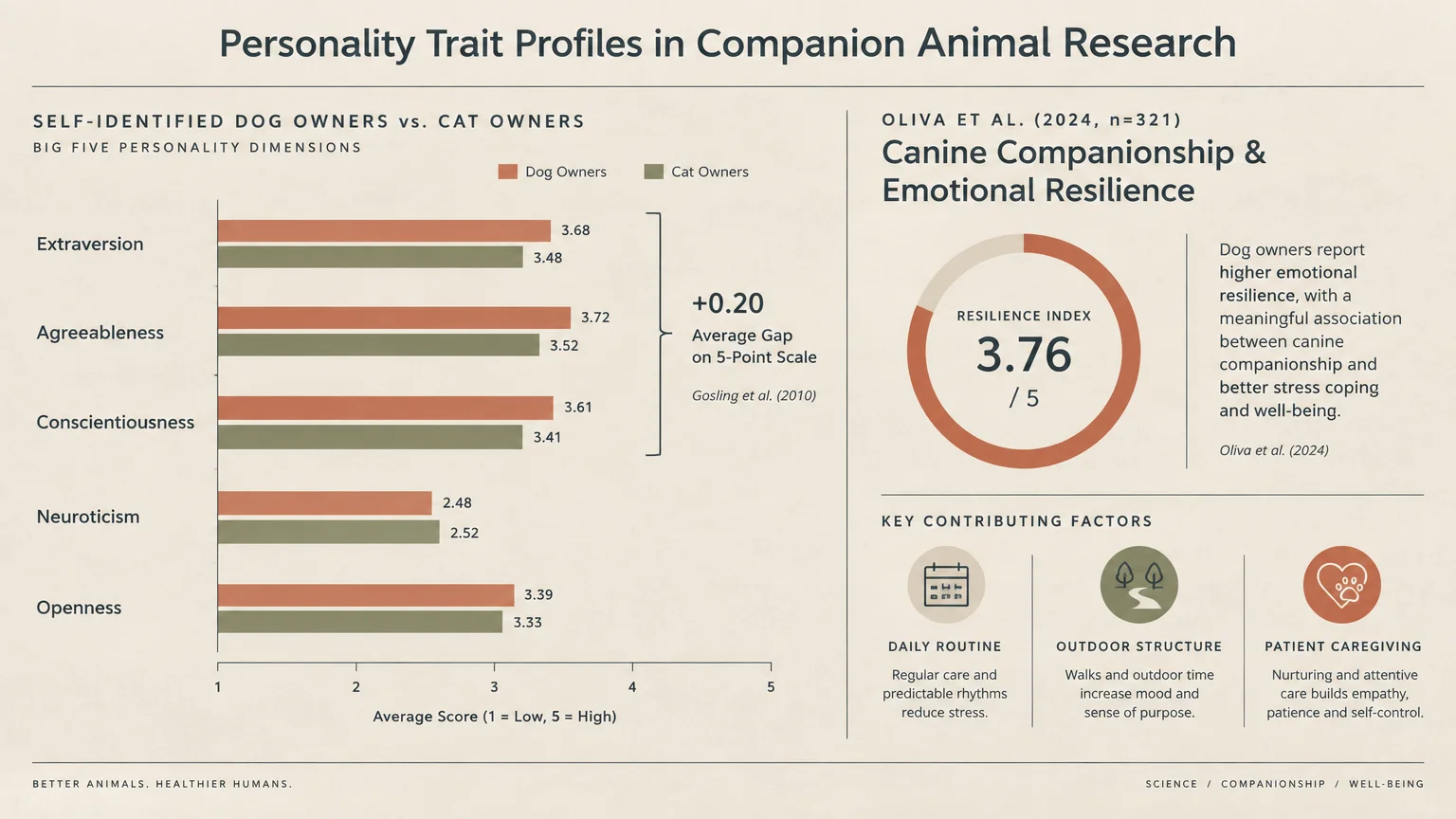
Psychologists have long tested whether choosing a dog over another companion reveals your inner wiring. In a 2010 study published in Anthrozoös, researchers Gosling, Sandy, and Potter surveyed 4,565 participants using the Big Five personality dimensions.
Self-identified dog people scored higher on extraversion, agreeableness, and conscientiousness while scoring lower on neuroticism and openness than cat people. However, researchers noted that the actual score gap on a 1 to 5 scale averaged only about 0.20 points.
More recent research points to emotional grit as another subtle thread. In August 2024, Dr. Jessica Oliva and colleagues at James Cook University surveyed 321 people and found that dog owners scored significantly higher on resilience.
Rather than dogs automatically creating resilience, people with resilient temperaments may gravitate toward the daily structure and outdoor responsibility of canine companionship. Walking a dog through rain, managing vet visits, and practicing patience naturally reward steady, adaptable routines.
Separating Breed Stereotypes From Real Behavior
Picking a specific breed feels deeply personal, yet science urges caution before judging anyone by their leash. In a 2012 survey of 1,000 dog owners and a broader UK Kennel Club study of over 1,500 owners across 16 breeds, Dr. Lance Workman at Bath Spa University found modest lifestyle links.
Owners of toy breeds like Chihuahuas and gundogs like Labradors scored higher in conscientiousness and openness to new experiences. Yet a follow-up study by Workman and Chris Hunter testing 41 dog owners complicated that picture.
Strangers could match photos of owners to their dog breeds above chance using visual clues, but personality tests of those owners revealed no strong links between human traits and breed choice. Workman concluded that perceived similarities between people and their breeds are mostly superficial.
Genetics inside the dog also tells a humbling story for breed stereotypes. In April 2022, UMass Chan Medical School researchers led by Morrill analyzed 18,385 owner surveys and 2,155 dog genomes through Darwin’s Ark in the journal Science.
Breed explained only 9% of behavioral variation in individual dogs and showed no meaningful link to aggression. Heritability exceeded 25% for many traits—peaking at 52.5% for retrieving and 67.3% for human sociability—yet those behaviors vary widely inside every breed.
A May 2023 University of Helsinki study by Salonen and colleagues in iScience examined over 11,000 dogs across more than 300 breeds. Breed and age correlated with seven broad personality traits, while puppyhood socialization ranked as the top environmental influence—still leaving huge room for individual uniqueness.
Breed Profiles: What Your Dog Needs and What They Mirror in You
Even though breed never locks a dog into a rigid script, physical architecture and selective breeding shape daily logistics. Looking closely at your dog’s heritage helps you understand why certain habits click with your lifestyle.
The Labrador Retriever: Social, Steady, and Built for Teamwork
Labrador Retrievers belong to the AKC Sporting Group and bring athletic heft to your living room. Males stand 22.5 to 24.5 inches tall and weigh 65 to 80 lbs, while females measure 21.5 to 23.5 inches and weigh 55 to 70 lbs.
Their typical life expectancy spans 10 to 12 years, making preventive joint and weight care vital from puppyhood onward. In Dr. Stanley Coren’s obedience rankings based on evaluations from 199 North American judges, Labradors rank No. 7 overall.
They learn new cues in fewer than five repetitions and obey a first command at least 95% of the time. The University of Helsinki study likewise found Labradors among the highest-scoring breeds for training focus.
If a Lab shares your home, you likely appreciate friendly social warmth, outdoor momentum, and cooperative routines. You probably thrive on shared activities—hikes, fetch sessions, or weekend errands—and value a companion who greets strangers with enthusiasm.
Key health priorities for your Lab include protecting hips and elbows from excess weight, drying floppy ears after swimming, and curbing counter-surfing habits. Early socialization also channels their eager sociability into polite greetings rather than body-slamming guests.
The Poodle: Perceptive, Versatile, and Detail-Minded
Poodles bridge distinct worlds because they arrive in three AKC-recognized sizes with one unifying curly, minimally shedding coat. Standard Poodles belong to the Non-Sporting Group, standing over 15 inches tall and weighing 40 to 70 lbs.
Miniature Poodles also compete in the Non-Sporting Group at 10 to 15 inches tall and 10 to 15 lbs. Toy Poodles belong to the Toy Group, measuring under 10 inches and weighing 4 to 6 lbs, with overall AKC breed life expectancy ranging from 10 to 18 years.
Coren’s obedience evaluations place the Poodle at No. 2 overall, matching the top tier of fewer than five repetitions and 95% or higher first-command responsiveness. Poodles notice subtle patterns in your voice, posture, and schedule faster than many owners realize.
Choosing a Poodle often signals that you enjoy problem-solving, clean indoor environments, and clear daily rhythms. You may appreciate a dog who studies your mood quietly and thrives on structured mental challenges.
Health and care priorities center on meticulous coat maintenance to prevent painful skin mats and regular dental care—especially in Miniature and Toy varieties. Standard Poodles also benefit from thoughtful digestive awareness, calm mealtime routines, and plenty of varied cognitive play.
The Chihuahua: Vigilant, Devoted, and Quietly Selective
The Chihuahua stands as the world’s smallest dog breed, weighing up to 6 lbs inside the AKC Toy Group. AKC standards list a 14 to 16 year life expectancy, while broader lifespan datasets record Chihuahuas reaching 14 to 18 or even 15 to 20 years.
Size gives small companions a genuine longevity advantage backed by large-scale veterinary data. A 2024 UK study by McMillan and colleagues in Scientific Reports analyzed 584,734 dogs across 155 breeds and found a median overall lifespan of 12.5 years.
Small dogs achieved a median lifespan of 12.7 years compared with 11.9 years for large dogs. Earlier research by Kraus in The American Naturalist estimated that every 4.4 lbs of body mass trims roughly one month from canine life expectancy.
In Coren’s working obedience scale, Chihuahuas fall in the lowest tier—requiring 80 to 100 or more repetitions and obeying first commands 25% of the time or less. Remember that Coren measured eagerness to follow human drills, not independent intelligence or emotional perceptiveness.
A Chihuahua often reflects an owner who values deep one-on-one loyalty, cozy indoor comfort, and observant intuition. Consistent with Workman’s research on toy breed owners, keeping a tiny dog safe and confident takes remarkable conscientiousness.
Health priorities include diligent dental hygiene, warm layering in cold weather, and protecting delicate joints and necks from jumps or clumsy handling. Giving your Chihuahua agency on the floor prevents fear-based reactivity toward towering strangers.
Your Daily Playbook: Nutrition, Exercise, Enrichment, and Socialization
Insight into your dog’s temperament only pays off when you translate it into everyday care. You do not need expensive gadgets to meet your companion’s biological needs—consistency and smart product criteria matter far more.
Tailored Nutrition and Budget-Friendly Feeding Habits
Lean body condition adds comfortable years to every breed, whether your dog weighs 5 lbs or 75 lbs. Labradors carry strong food motivation that makes portion control essential for sparing hips and elbows from strain.
Chihuahuas face the opposite challenge because tiny caloric budgets fill up quickly with table scraps or oversized chews. Poodles, meanwhile, sometimes show selective appetites when stressed or bored with plain kibble.
Look for commercial diets carrying a nutritional adequacy statement for your dog’s specific life stage rather than paying extra for trendy buzzwords. Ask your veterinarian to calculate daily calorie targets based on your dog’s body condition score rather than relying solely on bag charts.
Stretch your budget safely by measuring meals with a standard scoop or kitchen scale and setting aside part of daily kibble as training rewards. Plain steamed vegetables like green beans or small pieces of carrot—approved by your vet—make low-cost, crunchy treats without adding excess calories.
Movement That Fits Size, Coat, and Joint Health
Every dog needs daily physical movement tailored to age, weather, and skeletal structure. A young Labrador thrives on brisk sniff walks, controlled swimming, and moderate fetch games on soft grass rather than repetitive high-impact leaps on pavement.
Standard Poodles enjoy long trail outings and agility-style obstacle navigation, while Toy Poodles and Chihuahuas benefit from shorter neighborhood loops plus indoor exploration. Tiny dogs burn real energy navigating safe floor cushions, low stairs, and backyard scent trails.
When shopping for walking gear, skip retractable cords that tangle legs or reward pulling. Choose a well-fitted Y-front harness that keeps shoulders free to stride naturally and takes pressure off the throat—critical for Chihuahuas prone to airway sensitivity and eager Labradors.
Pair that harness with a simple flat nylon or padded webbing leash. Washable reflective gear delivers visibility and durability without luxury price tags.
Mental Enrichment and Puppyhood Socialization on a Shoestring
Remember that Salonen’s 2023 study identified puppyhood socialization as the top environmental driver of adult canine personality. Exposing young dogs—or gently acclimating adult rescues—to varied surfaces, calm people, and everyday sounds builds lasting confidence.
You can nurture that curiosity daily through low-cost foraging and scent games. Remember that Morrill’s genomic research showed retrieving behavior carries 52.5% heritability, meaning many dogs—especially Labs and Poodles—find deep relief in carrying and searching for objects.
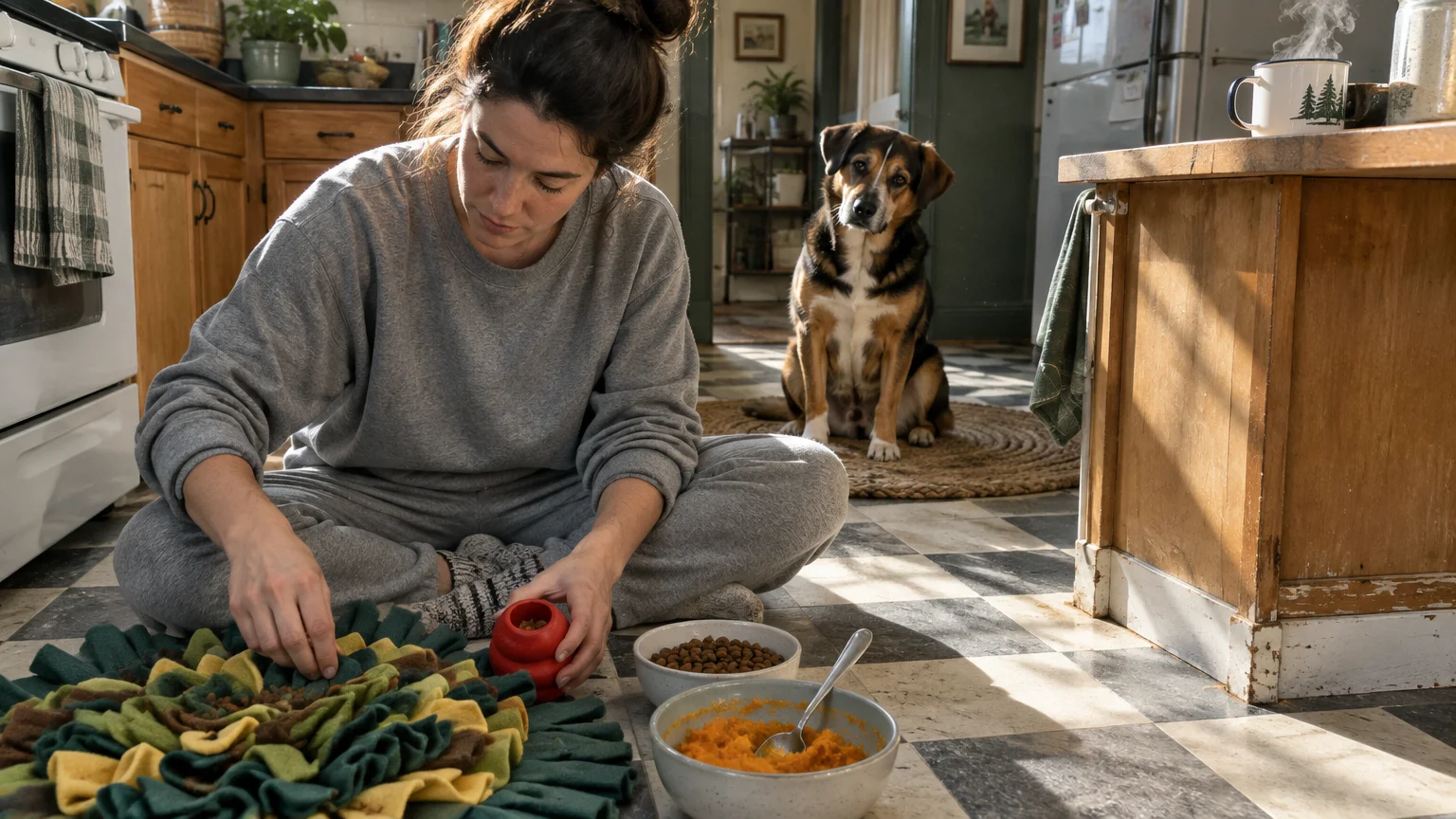
Skip pricey electronic puzzle boards and try rolling kibble inside an old bath towel or hiding dinner inside empty cardboard shipping boxes. Let your Chihuahua shred tissue paper tubes or hunt for tiny cheese crumbs scattered across a clean fleece blanket.
When selecting store-bought toys, prioritize safety criteria over novelty: choose solid natural rubber large enough that your dog cannot swallow it whole, and inspect plush seams regularly. Rotating toys in and out of a storage bin keeps old favorites exciting for free.
Training and Communication: Coaching Your Dog’s Unique Brain
Understanding Coren’s obedience scale alongside Darwin’s Ark genetics frees you from frustrating comparisons. Your dog is not stubborn or broken when a cue stalls—they simply respond to different motivators and pacing.
Matching Positive Reinforcement to Learning Style
Evidence-based veterinary behaviorists rely on positive reinforcement because rewarding desired choices builds trust without triggering fear. Labradors and Poodles often accelerate quickly when rewards flow promptly for small approximations of a behavior.
Chihuahuas frequently evaluate whether a request feels safe and worthwhile before complying. Paying generously with soft, pea-sized high-value treats and letting your small dog approach triggers at their own pace transforms hesitation into willing partnership.
Keep training sessions brief, upbeat, and free of frustration so your dog finishes wanting more. End every practice round on an easy success rather than pushing until attention fades.
Step-by-Step Coaching for Everyday Cues
You can coach essential life skills at home using calm timing and clear communication. Start in a quiet hallway or living room before asking for the same behavior around outdoor distractions.
For a reliable drop it cue—essential for sock-stealing Labradors—offer a boring toy while holding a tastier treat hidden behind your back. Say drop it once in a cheerful tone, present the treat right at your dog’s nose, and immediately give the treat the instant their jaw opens.
Repeat this fair trade until your dog eagerly releases items on cue before seeing the snack, then sometimes return the toy so releasing never predicts loss. Never pry objects out of your dog’s mouth unless facing a genuine medical hazard.
For cooperative grooming—crucial for curly-coated Poodles—teach a voluntary chin rest on your palm or a folded towel. Hold a treat near your open hand, reward your dog for touching their chin to your palm, and gradually pair that calm stillness with brief comb strokes.
If your dog lifts their head, pause the brush immediately so they learn they control the pace. This simple consent cue lowers grooming stress for both of you and cuts down on salon anxiety.
For polite settling—a game-changer for vigilant Chihuahuas—place a dedicated fleece mat near your couch. Drop tiny treats directly onto the mat whenever all four paws step onto the fabric, then add a relaxed cue like place as your dog chooses to lie down.
Practice rewarding quiet relaxation while knocking softly on a table or walking across the room. Over time, your Chihuahua learns that resting on their mat earns safety and snacks instead of barking at every hallway sound.
Solving Common Breed Friction With Empathy
Most frustrating habits stem from unmet instincts or unspoken stress rather than defiance. When a Labrador leaps on visitors or mouths sleeves, channel that intense human sociability—67.3% heritable across dogs—into carrying a plush toy to the door.
Ask guests to ignore jumping completely and reward four paws on the floor with calm pets. Giving an eager retriever a job for their mouth replaces chaotic greetings with proud hosting.
When a Poodle barks sharply at shifting shadows or paces restlessly, look for under-stimulated curiosity. Add short scent-search rounds around the yard and reinforce calm quiet moments before excitement boils over.
When a Chihuahua growls or snaps near strangers’ hands, recognize that small dogs routinely have their personal space invaded by well-meaning people. Scoop your dog up only when necessary for physical safety, announce a cheerful warning before picking them up, and ask friends to crouch sideways without reaching overhead.
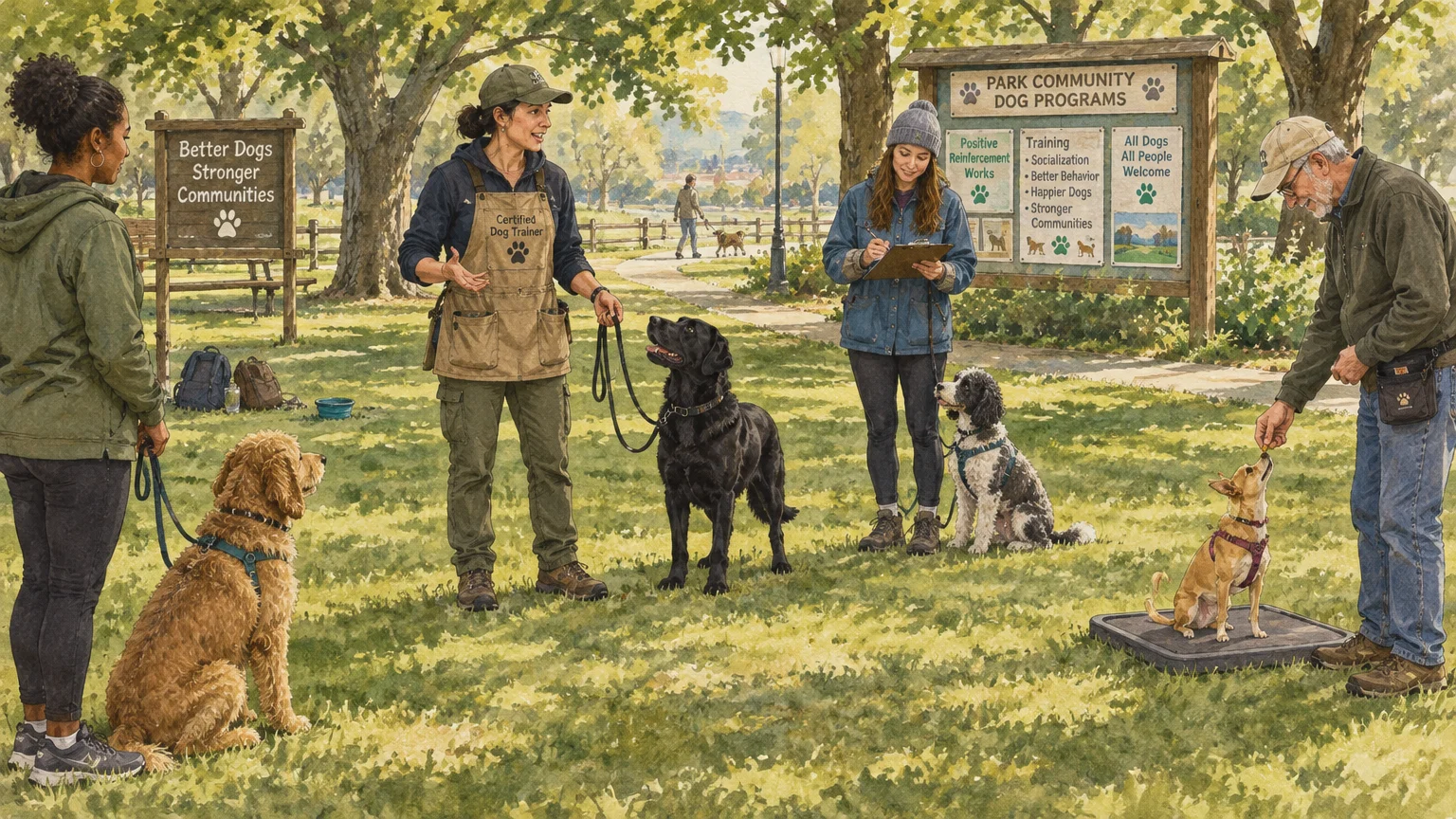
Community, Support Networks, and Evidence-Based Resources
No pet parent has to decode canine behavior or medical questions alone. Strong support networks turn stressful moments into manageable teamwork.
If you are preparing to welcome a new companion, explore local shelters and breed-specific rescues alongside reputable breeders. Remember that Rover ranks mixed breeds as the most popular dogs in America, and rescue staff can evaluate an adult dog’s actual energy level, cat compatibility, and home manners far better than breed guesses alone.
Review reputable humane animal welfare and adoption guides to prepare your household checklist before bringing a new dog home. Shelter teams often match adopters based on daily schedule and noise tolerance rather than coat color.
When tricky behaviors arise—such as separation distress, resource guarding, or leash reactivity—seek credentialed help early. Browse certified professional trainer directories to find force-free coaches who use humane, science-backed methods rather than shock, prong, or intimidation gear.
For complex anxiety or sudden personality shifts, ask your primary veterinarian for a referral to a board-certified veterinary behaviorist. Medical pain, itchy skin, or gastrointestinal discomfort frequently disguise themselves as sudden grumpiness in Labs, Poodles, and Chihuahuas alike.
Keep trusted educational libraries bookmarked between appointments so you never rely on alarming social media myths. Check veterinary pet care guides and companion animal health guidelines for preventive vaccine schedules, dental care tips, and seasonal safety updates.
Many clinics and pet insurance plans also offer veterinary telehealth triage lines for after-hours questions about mild stomach upset or minor scrapes. For everyday enrichment ideas and behavior troubleshooting, explore science-backed dog care and behavior resources built by welfare specialists.
Frequently Asked Questions for Multi-Style Dog Parents
How do I plan smooth travel with a Lab, Poodle, or Chihuahua?
Match your travel setup to your dog’s size and stress tolerance before hitting the highway. Secure a Chihuahua or Toy Poodle inside a crash-tested carrier buckled to the rear seat, and fit larger Labradors or Standard Poodles with a certified crash-tested harness or anchored travel crate.
Pack familiar bedding, regular kibble, collapsible water bowls, and vaccination records in one grab-and-go bag. Schedule calm potty and sniff breaks along your route, and never leave any dog unattended inside a parked vehicle.
Can a large, energetic breed live happily with a tiny Chihuahua or a cat?
Yes, multi-size households thrive when you manage physical safety and respect different play styles. Because a playful paw slap from an 80-lb Labrador can accidentally injure a 5-lb Chihuahua, supervise all shared floor time until calm habits are rock-solid.
Install sturdy baby gates with small pass-through openings—or elevate cat trees and cozy beds—so tiny pets can retreat whenever big dogs get rowdy. Separate feeding stations also prevent accidental resource tension over dropped kibble or chews.
How can I budget smartly for annual dog care without cutting corners on health?
According to Forbes Advisor data from September 2026, dog owners spend an average of $1,533 per year on essential expenses. Expect larger breeds like Labradors and Standard Poodles to push food and medication costs higher due to weight-based dosing, while curly Poodle coats add regular grooming bills.
Protect your budget by automating a monthly pet savings transfer or comparing pet insurance plans while your dog is young and healthy. Preventive dental brushing, lean weight management, and routine parasite protection cost far less than emergency surgery or chronic arthritis care.
What belongs in an emergency readiness plan for different dog sizes?
Keep your dog’s microchip registration current, verify snug collar tags, and store clear side-profile photos on your phone for rapid identification. Pack an emergency kit with extra food, bottled water, spare leashes, veterinary contact details, and essential prescriptions.
Include size-specific gear like a soft slip-on sling or sturdy carrier for a Chihuahua, plus a lightweight lifting harness in case an older Labrador loses mobility during an evacuation. Confirm pet-friendly shelter or hotel options outside your immediate neighborhood before storm season arrives.
Start a New Bonding Ritual Tonight
Your choice of a Labrador, Poodle, Chihuahua, or lovable mixed-breed companion says less about rigid personality boxes and more about how you show up for another living creature. Whether you share muddy trail adventures, clever living-room games, or quiet couch warmth, your dog studies your consistency and kindness every day.
Pick one small ritual to try tonight with the unique dog sitting beside you. Scatter dinner across a folded towel for a peaceful sniff session, practice a calm chin rest for gentle brushing, or reward quiet mat settling with warm praise—and watch your bond deepen right where you are.