A graying muzzle resting against your knee feels priceless, and you probably wish that quiet moment could last forever. While you cannot stop time, large-scale veterinary science proves your daily choices heavily shape how long and how well your dog lives.
You do not need expensive gadgets or unproven supplements to protect your companion’s health. Simple shifts in portion control, dental habits, movement, and preventive checkups can add years of comfortable energy.
Here is what the latest canine longevity research reveals—and how you can put those findings to work in your own kitchen and living room today.
What Baseline Longevity Numbers Tell You About Your Dog
Before you build a health plan, it helps to know what average lifespans actually look like across millions of companions. Two massive studies give pet parents a clearer picture than old breed folklore ever could.
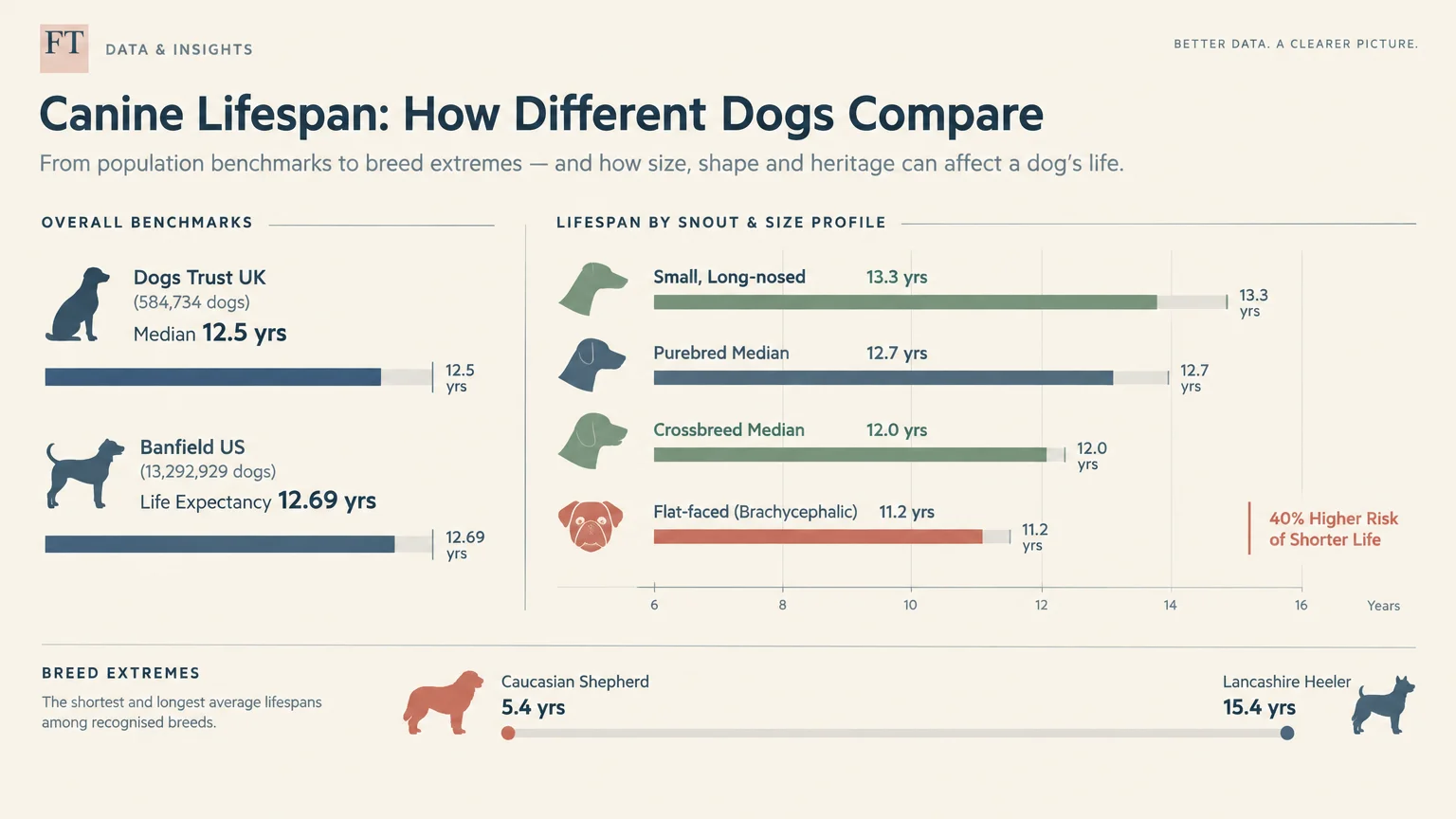
In a 2024 UK study published in Scientific Reports, Dogs Trust researchers examined records from 584,734 dogs across 155 pure breeds and crossbreeds. They found an overall median lifespan of 12.5 years, with purebreds reaching 12.7 years and crossbreeds reaching 12.0 years.
A 2023 U.S. study using clinical records from 13,292,929 dogs at Banfield Pet Hospital clinics, conducted with Royal Canin, found nearly identical numbers. Overall life expectancy at birth sat at 12.69 years, with mixed-breed dogs averaging 12.71 years.
Both studies also showed a slight female longevity edge. Females lived a median of 12.7 years compared with 12.4 years for males in the UK data, and 12.76 versus 12.63 years in the U.S. clinics.
Body Size, Snout Shape, and Breed Priorities
Your dog’s genetics set the starting line, especially when it comes to size and facial structure. In the Dogs Trust study, median lifespans stretched from 5.4 years in Caucasian Shepherd Dogs to 15.4 years in Lancashire Heelers.
Small, long-nosed female dogs enjoyed the longest purebred median lifespan at 13.3 years. Flat-faced, or brachycephalic, breeds had a median lifespan of 11.2 years and faced a 40% higher risk of shorter lives than medium-snouted dogs.
Knowing those baseline risks helps you tailor care early rather than waiting for trouble. If you share your home with a flat-faced breed, keeping them cool and lean protects their airway every single day.
If you love giant breeds, protecting their joints and watching for subtle mobility changes matters years sooner than you might expect. Every dog’s timeline runs on a different clock.
Knowing When Your Dog Enters the Senior Stage
Age seven does not mean the same thing for a Chihuahua as it does for a Great Dane. The 2023 American Animal Hospital Association (AAHA) Senior Care Guidelines, echoed by the AVMA, define senior as the final 25% of a dog’s expected lifespan.
For large and giant breeds, that senior window typically opens around 6 to 7 years of age. For small breeds, it usually arrives closer to 9 or 10 years.
Marking that milestone on your calendar shifts your mindset from reactive treatment to early prevention. You start catching small changes while they are still easy and affordable to manage.
Keeping Your Dog Lean: The Biggest Lever You Control
You cannot rewrite your dog’s DNA, but you hold tremendous power over the food bowl. Decades of nutrition science show that keeping your dog lean is one of the strongest ways to extend their life.
The landmark 14-year Purina Life Span Study, published in JAVMA in 2002 and marking its 25th completion anniversary in 2026, followed 48 Labrador Retrievers from puppyhood. Half of the dogs ate 25% less food than their matched littermates to stay lean.
Those lean-fed dogs lived a median of 1.8 years—or 15%—longer, reaching a mean lifespan of 13.0 years compared with 11.2 years for their heavier siblings. They also showed 50% less hip dysplasia by age two and delayed onset of chronic diseases.
Client-owned dogs show the same pattern outside controlled kennels. A 2019 study in the Journal of Veterinary Internal Medicine using Banfield Pet Hospital data found overweight dogs lived up to 2.5 years shorter than dogs at an ideal weight.
Similarly, the 2023 Banfield life expectancy study revealed a steep gap between body condition scores. Obese dogs scored at 5 out of 5 had a life expectancy of 11.71 years, compared with 13.18 years for dogs at an ideal 3 out of 5.
Closing the Pet Weight Perception Gap
Despite clear numbers, many loving owners miss gradual weight gain because they see their dogs every day. According to the Association for Pet Obesity Prevention (APOP) 2022 clinical benchmark, 59% of U.S. dogs evaluated by veterinary teams were overweight or obese.
Specifically, 37% were overweight and 22% had obesity, yet nearly one in three owners of those heavier dogs rated their pet as normal, ideal, or thin. Awareness is creeping upward, though the gap remains wide.
In APOP’s 2025 Pet Weight and Nutrition Opinion Survey, 37% of U.S. dog owners described their dog as above ideal weight, up from 35% in 2024, and 56% reported active weight-loss efforts. Across the Atlantic, the UK Pet Food 2024 Obesity Report told a starker story.
In that UK survey, 77% of veterinarians said pet obesity was worsening and 100% felt worried about it. Meanwhile, only 4% of surveyed owners believed their own pet was overweight.
Your Daily Nutrition and Portion Playbook
Start using the 9-point Body Condition Score (BCS) chart adopted globally by the World Small Animal Veterinary Association (WSAVA), which recognizes nutrition as the fifth vital sign. Ask your veterinarian to show you your dog’s score at every visit.
Between checkups, run your hands gently along your dog’s ribcage once a week. You should feel individual ribs easily under a thin layer of fat without pressing hard, and you should see a clear waist from above.
Swap guesswork for a real measuring cup or an inexpensive kitchen scale, because eyeballing scoops slowly adds extra calories. If your budget is tight, buying smaller portions of balanced food actually saves you money every month.
Watch treat creep, since training bites, table scraps, and chewy snacks add up fast. Break soft treats into tiny pea-sized pieces, or replace commercial biscuits with crunchable, low-calorie veggies like green beans or cucumber slices.
Researchers are also studying meal timing as a longevity factor. A 2022 Dog Aging Project study in GeroScience examined data from 24,238 dogs for health conditions and 10,474 dogs for cognitive function.
Dogs fed once daily had lower mean cognitive dysfunction scores and lower odds of gastrointestinal, dental, orthopedic, kidney, urinary, liver, and pancreas disorders than dogs fed more often. Because that study was observational, it does not prove once-daily feeding causes better health.
Before changing how often you feed, talk with your veterinarian, especially for giant deep-chested breeds, puppies, or dogs with medical conditions. Portion size and lean body condition remain your safest, best-proven priorities.
Movement and Brain Games That Protect Aging Minds
A lean body needs regular motion, and your dog’s brain depends on physical activity just as much as their muscles do. Recent findings show a powerful link between daily exercise and sharp thinking in senior years.
A Dog Aging Project study of 15,019 dogs found that the odds of Canine Cognitive Dysfunction (CCD)—the canine version of dementia—rose 52% with each additional year of age. Even more striking, inactive dogs had 6.47 times higher odds of CCD than very active peers.
A 2023 companion study in GeroScience following 11,574 dogs aged 6 to 18 confirmed that pattern. Higher physical activity was linked to lower CCD severity, less symptom worsening over six months, and roughly half the odds of clinical CCD.
Scientists note that reverse causation has not been ruled out, meaning dogs already feeling unwell may slow down first. Still, keeping healthy dogs moving gives their brains steady stimulation and supports circulation.
Enrichment Ideas That Cost Almost Nothing
Daily exercise does not require marathon runs that pound aging joints. Let your dog set the pace on relaxed sniff walks, giving them time to read neighborhood scents along fences and grass.
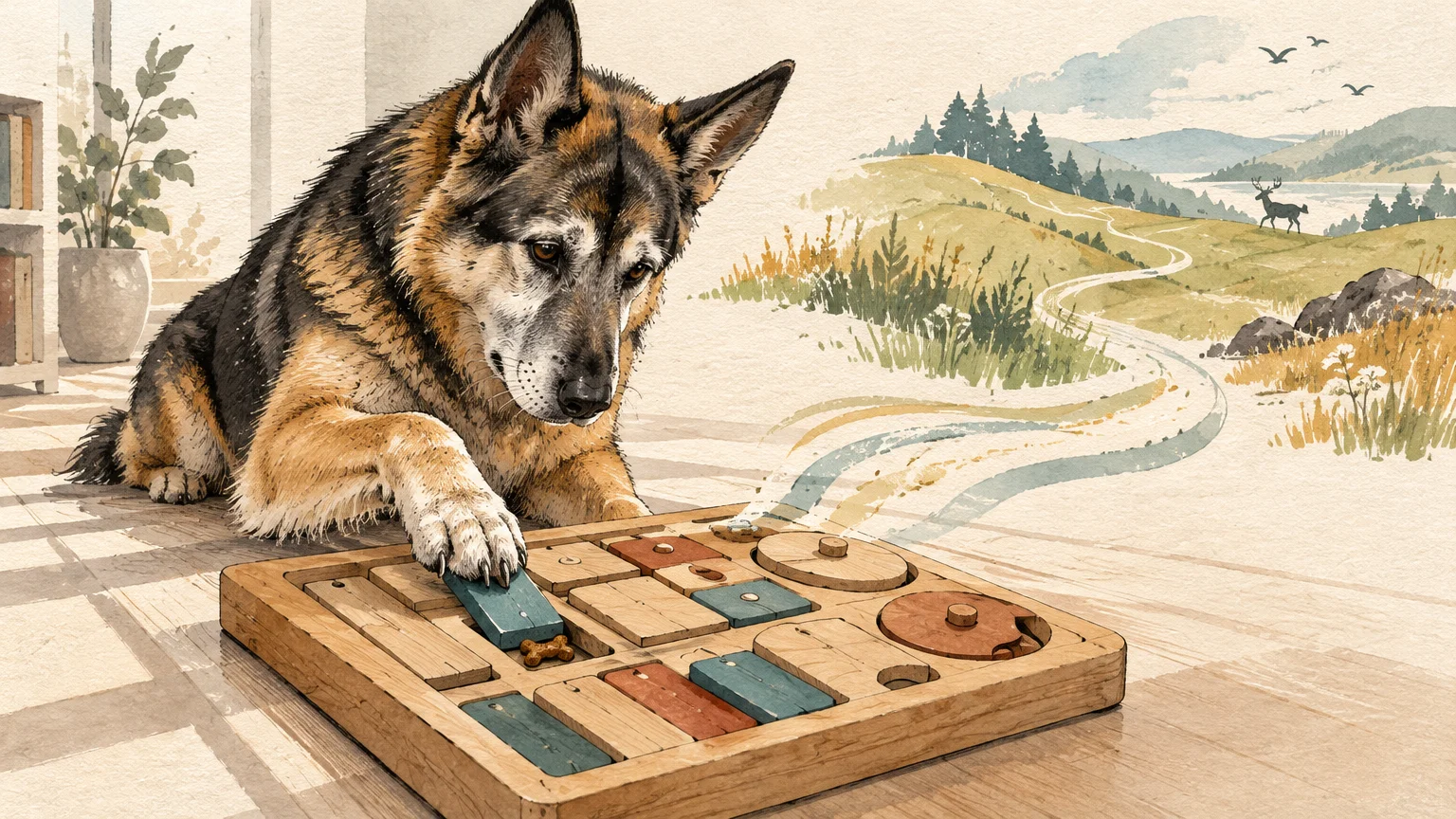
Sniffing burns mental energy, lowers stress, and satisfies natural instincts without stressing sore hips. On rainy days, turn mealtime into a brain workout using items already in your home.
Roll your dog’s measured kibble inside an old bath towel, twist it loosely, and let them nose it open. You can also place kibble inside the cups of a clean muffin tin covered with tennis balls.
Hide small piles of kibble around one room while your dog waits, then release them to hunt by scent. These simple games take moments to set up, cost nothing, and keep senior minds engaged.
Spotting Joint Pain Early
Movement gets harder when joints ache quietly in the background. According to the American Veterinary Medical Association (AVMA), osteoarthritis affects roughly 80% of dogs over age 8.
Dogs rarely cry out over chronic stiffness; instead, they lag on walks, hesitate at stairs, or lick stiff wrists. Notice those subtle shifts early and ask your vet about modern pain relief.
In 2023, the FDA approved Librela (bedinvetmab) specifically for canine osteoarthritis pain, giving vets another targeted tool alongside weight management and physical therapy. At home, lay inexpensive yoga mats or runner rugs over slick hardwood floors so your dog never slips.
Adding a padded ramp for the car or couch also spares elbows and hips from painful jumping impacts. Protecting mobility keeps your dog eager to walk and play deep into their golden years.
Daily Dental Care: Protecting Heart, Kidneys, and Liver
Bad dog breath is never just a harmless quirk; it usually signals an active infection inside the mouth. Both the AVMA and Cornell University College of Veterinary Medicine report that periodontal disease is the most common medical condition in dogs.
Between 80% and 90% of dogs over age 3 show signs of periodontal disease. Worse yet, the AVMA warns that untreated dental disease is associated with changes in the kidneys, liver, and heart muscle.
Despite those serious risks, home dental care often falls through the cracks during busy weeks. AAHA studies reveal that nearly two-thirds of pet owners do not provide the dental care veterinarians recommend.
Two Minutes a Day Makes a Difference
Plaque biofilm forms on your dog’s teeth within 24 to 48 hours before hardening into stubborn tartar. Once tartar builds up below the gumline, a toothbrush can no longer scrub it away.
WSAVA recommends brushing your dog’s teeth daily in sessions under two minutes, starting around 6 to 7 months of age once adult teeth erupt—or right after a professional cleaning. Keep a soft dog toothbrush and enzymatic pet toothpaste near the couch where you relax at night.
Never use human toothpaste, because ingredients like fluoride and xylitol can make dogs dangerously sick. Focus mainly on the outer surfaces of the upper back teeth, where plaque accumulates fastest.
Smart Criteria for Cleanings and Dental Chews
Even dedicated brushers need professional backup to keep gum pockets healthy. The 2019 AAHA Dental Care Guidelines, supported by the AVMA and dental specialists, recommend oral exams and cleanings under general anesthesia.
They advise starting annual cleanings at 1 year of age for small-breed dogs and 2 years for larger breeds. Veterinarians advise against anesthesia-free cleanings because scraping visible enamel misses hidden plaque beneath the gumline.
When shopping for chews, water additives, or wipes, skip flashy marketing claims on the front of the bag. Look for products listed by the Veterinary Oral Health Council (VOHC), which evaluates items tested to slow plaque or tartar buildup.

Training and Communication as Longevity Tools
Training is not just about polite leash manners; it is a lifelong safety skill that makes medical care calm and predictable. Teaching cooperative habits early reduces stress during nail trims, ear drops, toothbrushing, and clinic exams.
Stress hormones wear down the body over time, while confident dogs handle vet visits with far less fear. Positive reinforcement turns routine care into a familiar game you play together.
Step-by-Step Coaching for Toothbrushing and Handling
Start by teaching a simple chin-rest cue so your dog chooses when handling begins. Hold a tiny soft treat near your open palm just below your dog’s chin, rewarding the moment their chin touches your hand.
Once they rest their chin comfortably for a couple of seconds, gently lift one lip with your other hand and immediately deliver a reward. Keep sessions short and upbeat, ending well before your dog pulls away.
Next, let your dog lick a dab of poultry-flavored pet toothpaste off your finger while resting their chin. After a few easy days, introduce a soft brush to one canine tooth, reward generously, and stop.
Gradually add two or three more teeth per session over a couple of weeks. You can apply this same patient, reward-based sequence to paw handling for nail trims or gently checking ears.
Reading Subtle Signals from Aging Companions
Clear communication also means listening closely when your dog’s behavior shifts. Senior dogs rarely become stubborn out of nowhere; changes in mood usually reflect pain, sensory loss, or confusion.
Watch for pacing at night, staring at walls, forgetting house-training rules, or startling when approached from behind. Dimming eyesight or hearing loss can make once-easygoing dogs feel vulnerable around sudden movement.
Speak softly before touching a sleeping senior dog so you do not startle them awake. Keep a brief log of any new habits on your phone to share accurately with your veterinarian.
Proactive Vet Care, Environmental Safety, and What Science Is Testing Next
Waiting until your dog stops eating often means missing the window for simple, less expensive treatment. Regular veterinary screening catches silent organ decline long before outward symptoms show up at home.
AAHA recommends wellness exams every six months for healthy senior dogs, since six months in a senior dog’s life equals several human years. Twice-yearly visits let your vet track subtle shifts in weight, heart murmurs, lumps, and joint comfort.
AAHA also recommends baseline senior lab work—a complete blood count, blood chemistry panel, urinalysis, thyroxine (T4) check, and blood pressure reading—at least annually, or every 6 to 12 months depending on age and medications. That blood and urine baseline matters because chronic kidney disease can stay clinically silent until 66% to 75% of kidney function is lost.
Ask about tailoring vaccines to your older dog’s actual needs rather than following a one-size-fits-all calendar. The WSAVA Vaccination Guidelines Group notes that most aged dogs properly vaccinated earlier in life retain lasting immunity to core modified-live vaccines—distemper, adenovirus, and parvovirus—and do not need ramped-up core boosters late in life.
Your veterinarian can use antibody serology testing to help guide revaccination choices safely. That conversation keeps protection strong while avoiding unnecessary shots.
Home Environment and Social Bonds
Longevity science also looks closely at where dogs live and who shares their daily lives. Launched in 2018, the NIH-funded Dog Aging Project tracks over 50,000 companion dogs across the United States and received a 5-year, $29 million NIH renewal at University of Washington Medicine on October 30, 2026.
Researchers there found that social support—such as living with other dogs—was linked to better health with an effect five times stronger than household financial hardship factors. Healthy social ties with people and friendly canine companions nourish emotional resilience.
Your tap water may matter more than you realize, too, especially outside city utilities. In a 2025 Dog Aging Project water-testing pilot across 10 states for homes without municipal water, researchers recorded 126 readings above U.S. EPA limits or health guidance levels for metals including arsenic, lead, and copper.
If your home relies on private well water or older plumbing, test your water quality and use an appropriate filter for both your family and your dog’s bowl. Washing ceramic or stainless-steel water bowls daily with soap and warm water also keeps slime and bacteria out of their drinking supply.
Where Canine Longevity Drugs Stand Right Now
You have likely seen headlines promising anti-aging pills for dogs, so it helps to separate exciting research from what is actually available. As of October 2026, no canine longevity drug is FDA-approved.
Inside the Dog Aging Project, the double-blind, placebo-controlled TRIAD trial is testing low-dose weekly rapamycin in healthy dogs aged 7 and older weighing 44 to 120 pounds. As of October 2026, TRIAD is in its second year with more than 350 dogs enrolled across 20 U.S. veterinary clinics over a three-year span.
Meanwhile, veterinary biotech company Loyal (Cellular Longevity, Inc.) is developing LOY-002, a daily pill targeting insulin sensitivity for senior dogs aged 10 and older weighing at least 14 pounds. LOY-002 has completed two of three technical sections for FDA Center for Veterinary Medicine conditional approval—Reasonable Expectation of Effectiveness in February 2025 and Target Animal Safety in December 2025.
Manufacturing review remains in progress, with conditional approval targeted for 2027 at the earliest. Loyal’s STAY trial closed enrollment on July 14, 2025 with more than 1,300 dogs across over 70 U.S. clinics, while full trial completion is expected around 2029.
Loyal’s large-breed candidates—injectable LOY-001 for dogs 7 and older weighing 40-plus pounds, and daily pill LOY-003 for dogs 5 and older weighing 60-plus pounds—also hold FDA effectiveness-expectation acceptance from November 2023 and September 2026. Until clinical trials finish, daily nutrition, movement, oral care, and regular checkups remain your strongest proven medicine.
Building Your Support Network: Community and Resources
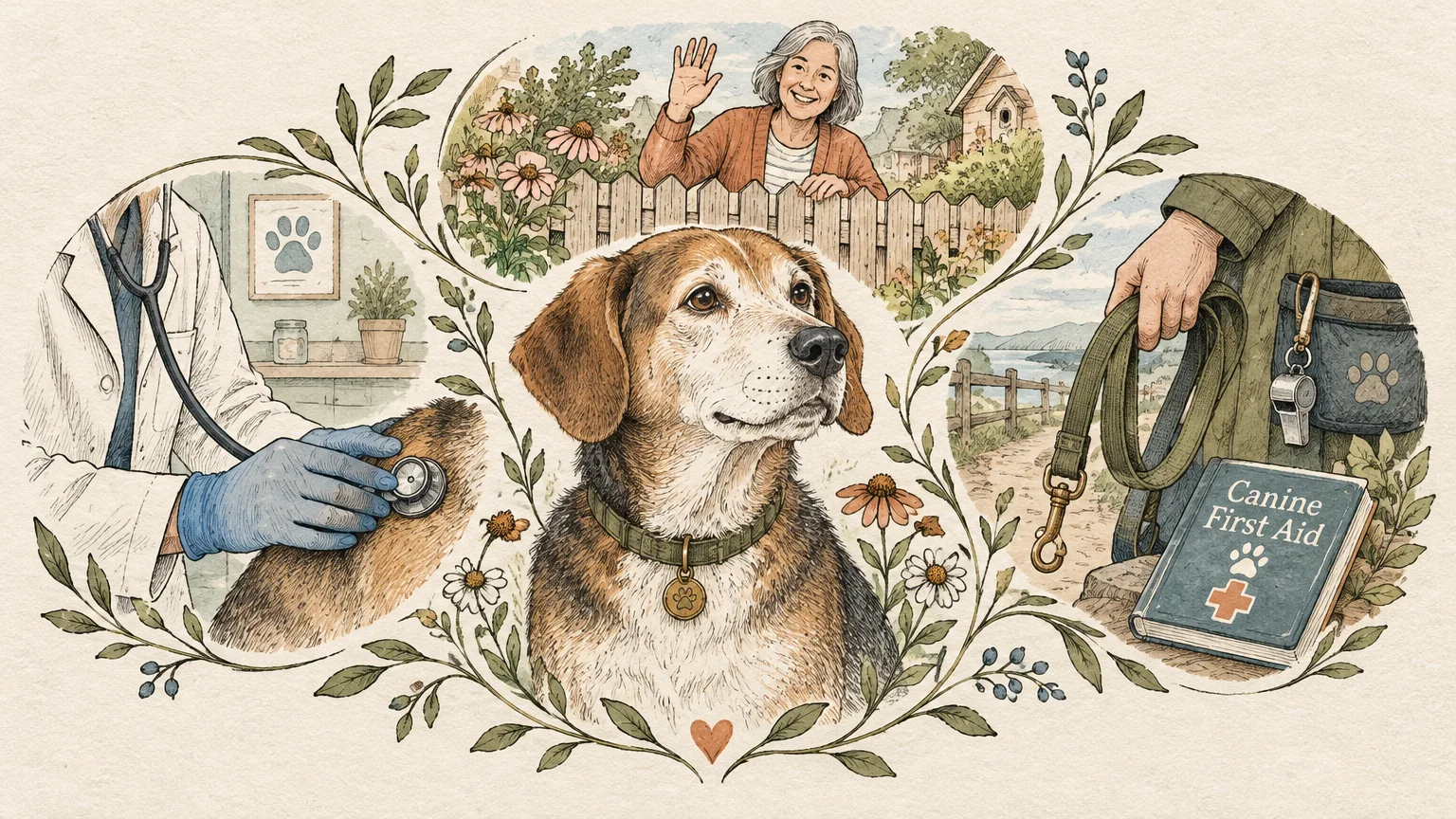
Caring for an aging or high-energy dog feels lighter when you build a reliable team around you. You never have to figure out nutrition, mobility tweaks, or behavior puzzles on your own.
Connect with local adoption groups and senior dog rescues, which often share practical tips on ramps, harnesses, and community low-cost vaccine or wellness clinics. Positive-reinforcement trainers can help you adapt cues when hearing or vision fades.
If mobility pain or cognitive confusion complicates daily life, ask your primary vet for a referral to a veterinary rehabilitation specialist or a board-certified veterinary behaviorist. Many clinics also offer veterinary telehealth check-ins for quick triage questions when loading a sore senior into the car feels overwhelming.
Frequently Asked Questions
How can I travel safely with a senior or health-conscious dog?
Keep travel routines steady by packing your dog’s usual measured food, collapsible water bowls, and a familiar blanket that smells like home. Plan frequent stretch breaks on road trips so stiff joints do not lock up, and bring extra doses of daily medications in your carry-on bag.
How do I manage healthy weight and routines in a multi-pet household?
Feed dogs in separate rooms or behind baby gates so faster eaters cannot steal leftover calories from slower seniors. Use puzzle toys in distinct zones to offer mental enrichment without sparking resource guarding over high-value snacks.
How can I budget smartly for preventive care and senior screenings?
Set up an automatic transfer into a dedicated pet savings fund each payday, or research pet insurance plans before age-related conditions appear. Focus your budget on high-impact basics—lean portions, home toothbrushing, and twice-yearly wellness checks—rather than trendy supplements without clinical evidence.
What belongs in an emergency plan for an aging dog?
Tape a one-page care sheet inside a kitchen cabinet listing your dog’s weight, daily medications, doses, allergies, and primary veterinarian’s phone number. Save the address of the nearest 24-hour emergency animal hospital in your phone, and designate a trusted backup caregiver who already knows your dog’s routine.
Start One New Ritual Tonight
Adding healthy years to your dog’s life does not require changing everything before breakfast tomorrow. Pick one small habit tonight—feel your dog’s ribs during belly-rub time, toss dinner kibble into a rolled-up towel, or practice one relaxed chin rest.
Those quiet, consistent moments build trust while protecting the body carrying your best friend through life. Every lean meal, gentle brush stroke, and unhurried sniff walk buys you more mornings with that familiar tail thumping against the floor.