
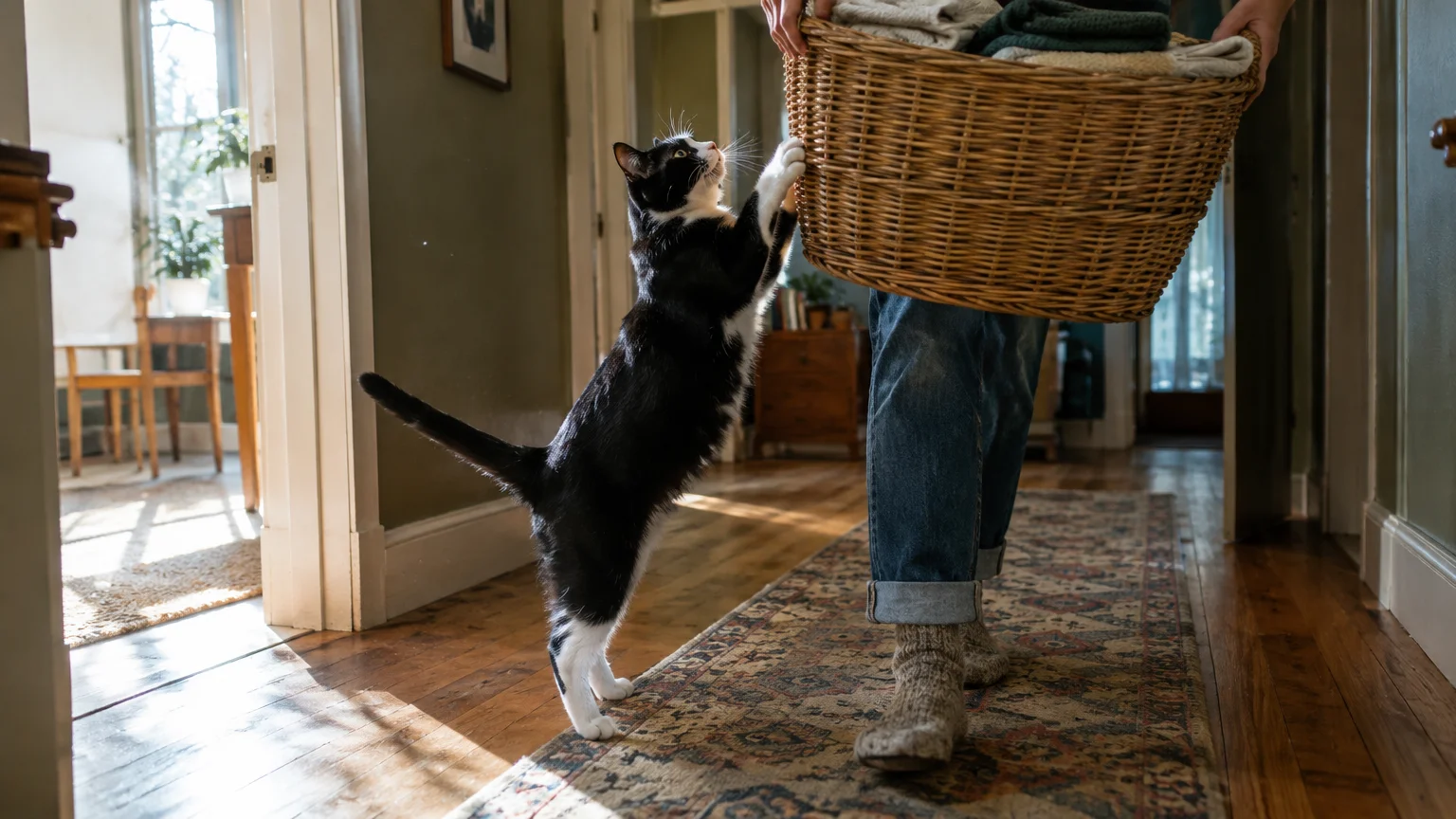
Your cat communicates social hunger through distinct behavioral shifts that reveal an immediate desire for shared contact. Recognizing these subtle cues helps you resolve domestic friction before frustration turns into chronic feline anxiety.
Contrary to the myth of the aloof solitary predator, domestic felines rely on complex emotional relationships with their human caregivers. When your companion craves connection, everyday routines transform into deliberate, impossible-to-ignore bids for your focus.
Understanding these daily overtures allows you to meet your pet’s evolutionary needs and enrich their domestic life effectively.
The Social Architecture of Feline Affection
Centuries of popular mythology framed domestic cats as strictly solitary creatures that view humans merely as food dispensers. Modern behavioral biology paints a vastly different picture of feline sociability and emotional depth.
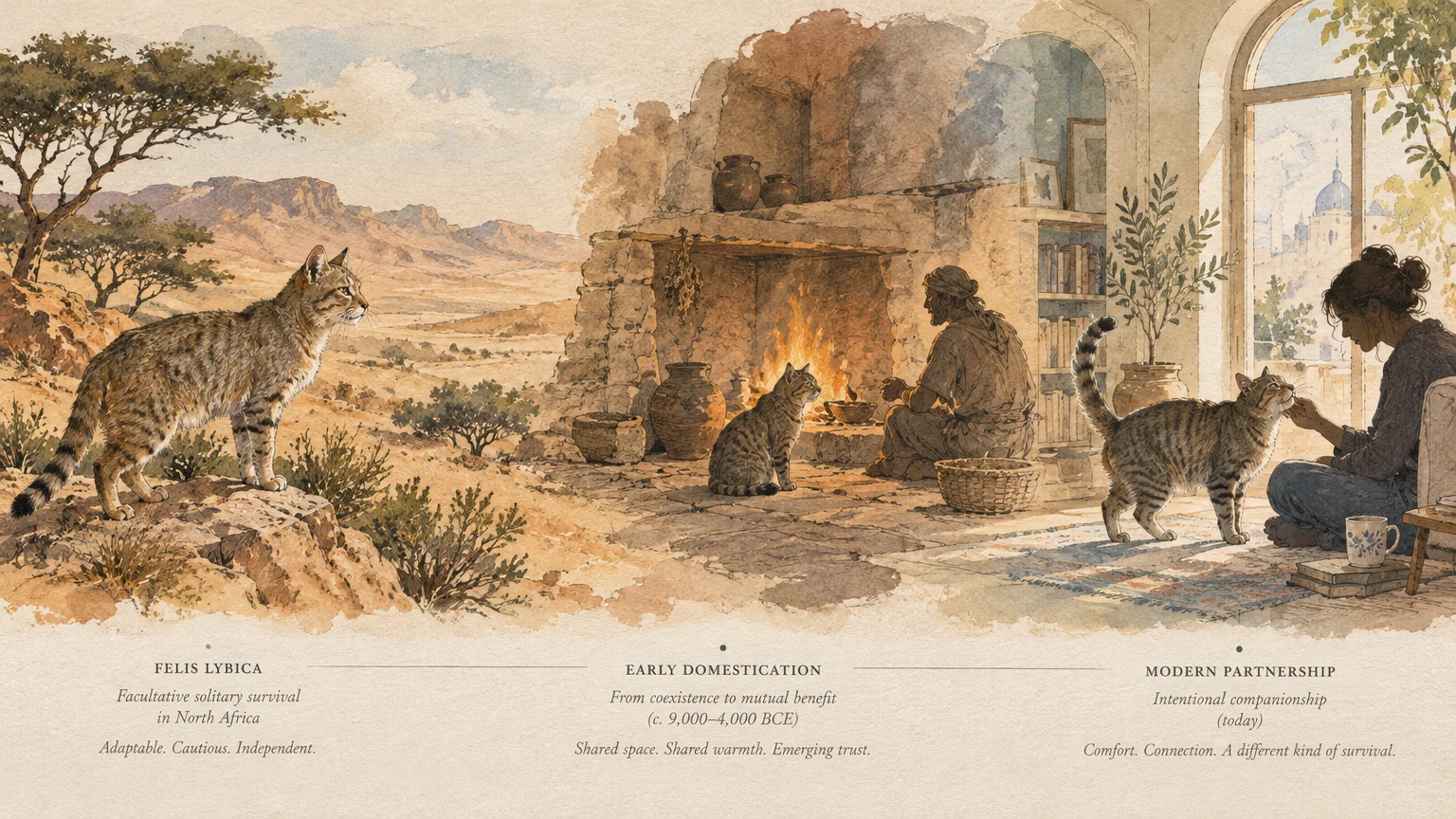
The domestic feline descended from the African wildcat, an adaptable hunter that demonstrates facultative sociality based on environmental conditions. When food and shelter remain stable, felines readily establish tight-knit colonies characterized by mutual support and collective territory defense.
Archival research featured by Smithsonian Magazine confirms that cats domesticated themselves by integrating into human settlements where mutual benefits flourished. This evolutionary compromise required them to develop nuanced communication tools specifically tailored for human ears and human eyes.
Within your living room, your cat views you as an essential social anchor rather than an incidental roommate. When isolated from meaningful stimulation, their need for engagement manifests through targeted behavioral strategies.
1. Disruptive Keyboard Invasions and Screen Blocking
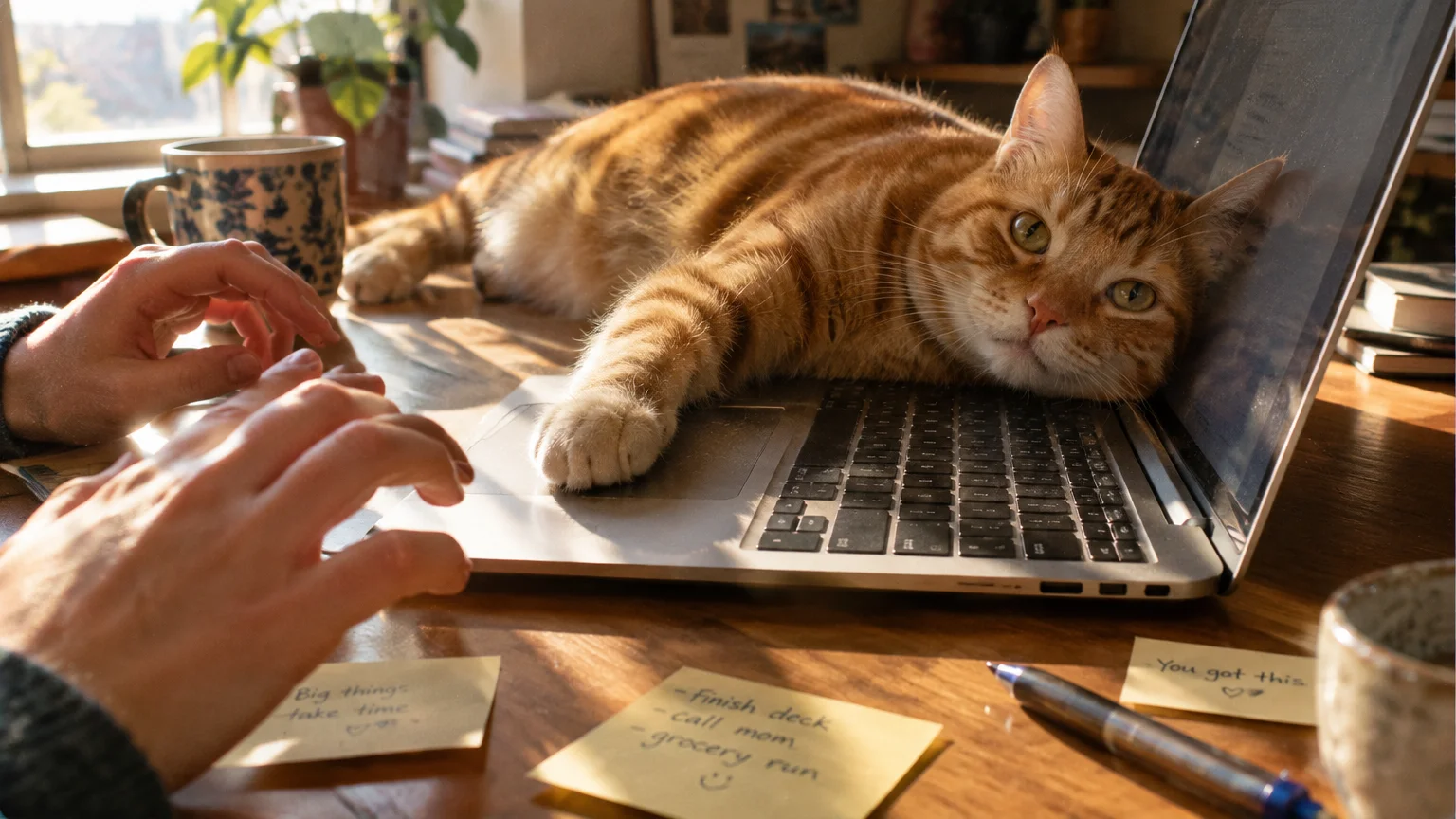
You open your laptop to finish an urgent project, and your cat immediately drapes their entire body across the keyboard. This classic maneuver represents an intentional interruption rather than an accidental search for a warm surface.
Cats observe human routines with surgical precision; they quickly identify which objects command your sustained visual attention. By positioning themselves between your eyes and the glowing display, they effectively monopolize your sensory field.
This tactical placement functions as an insurmountable physical barrier that forces you to engage with them directly. Even if you gently lift them away, you have rewarded their bold gambit with immediate physical interaction.
Felines also engage in behavioral mirroring, often choosing to rest in proximity to activities their human partners prioritize. When your attention remains fixed on a flat screen, your cat demands that same focused reverence for themselves.
2. Escalating Vocalizations and the Solicitation Purr
Adult cats rarely meow at other felines in natural settings; they reserve vocal declarations almost exclusively for human beings. If your companion suddenly trails behind you while issuing sharp, rhythmic meows, they are deliberately staging an auditory intervention.
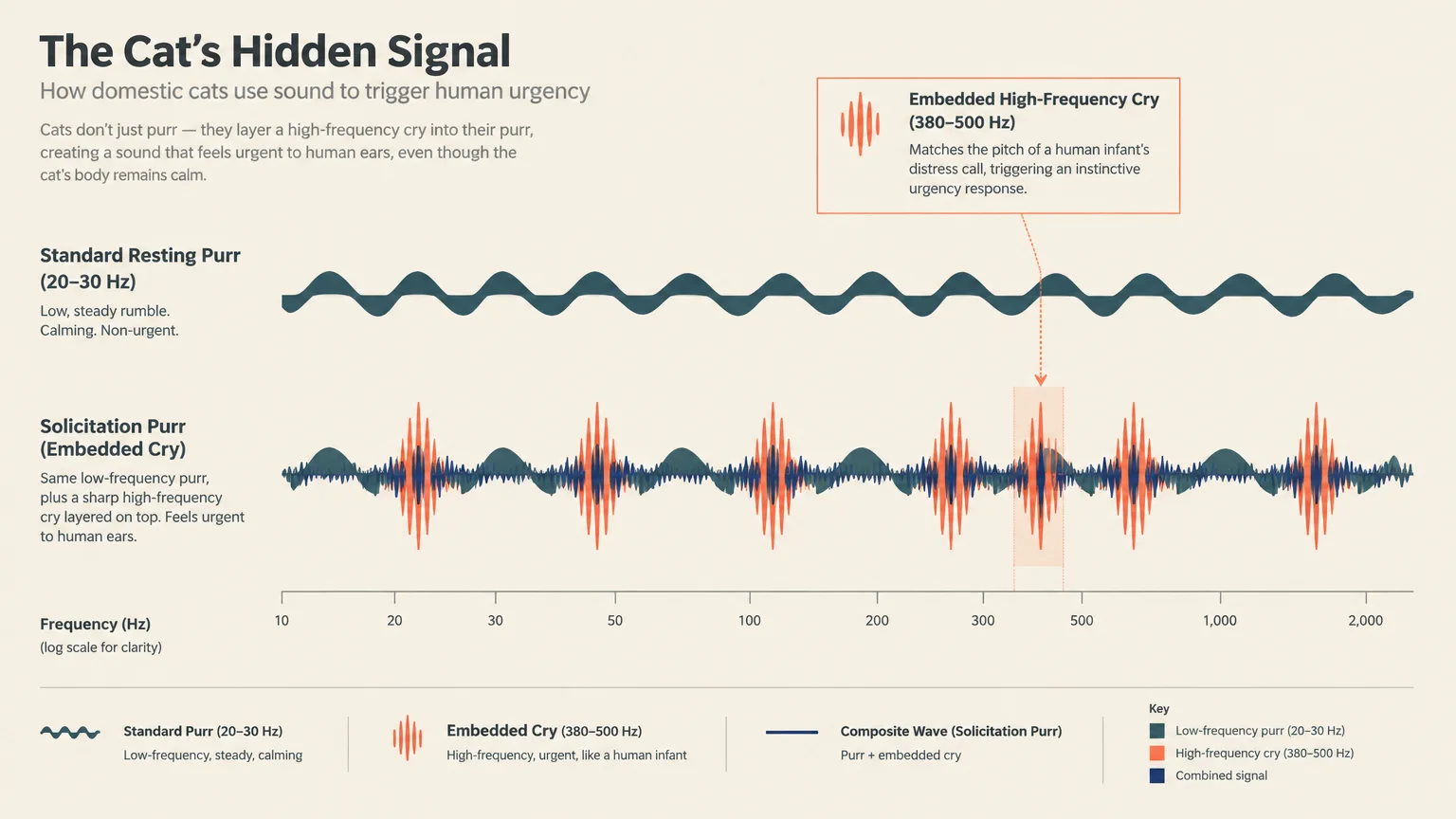
Feline vocal repertoires expand rapidly when cats realize that specific pitch frequencies trigger human urgency. Acoustic researchers have identified a specialized solicitation purr that incorporates a high-frequency cry embedded within a low-frequency vibration.
This acoustic structure closely mimics the distress frequency of an infant’s cry, which human brains struggle to ignore. Your cat instinctively leverages this sonic trigger to disrupt your thoughts and command your prompt assistance.
If you respond inconsistently by alternating between ignoring and coddling the vocalizations, you inadvertently reinforce the behavior. Your cat learns that increasing the volume and duration eventually produces the social payoff they crave.
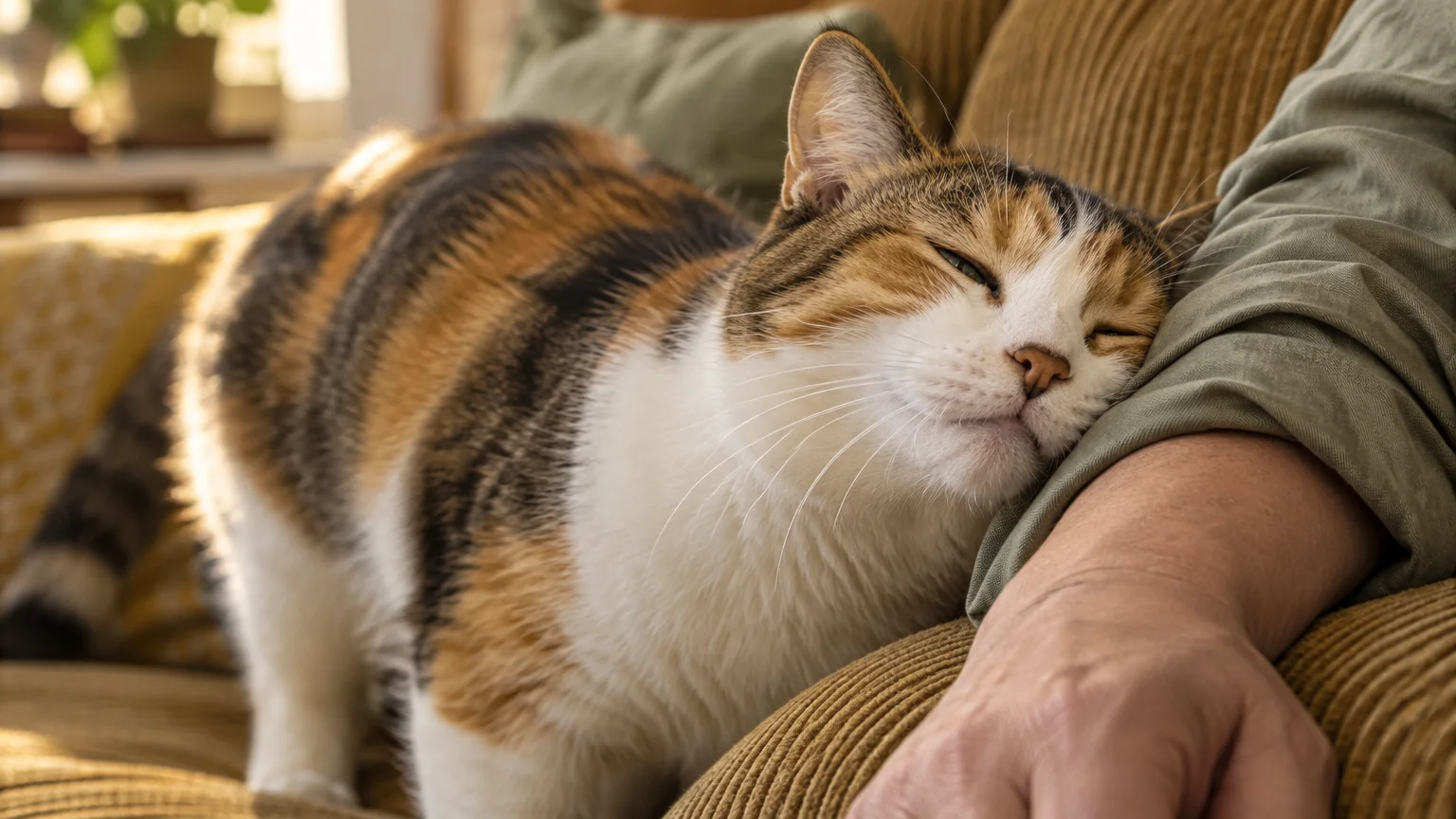
3. Aggressive Head-Bunting and Urgent Flank Rubbing
When a cat walks up and violently drives the crown of their head into your chin, they are performing head-bunting. Animal behaviorists designate this affectionate behavior as allorubbing, an essential social bonding ritual across social feline groups.
Specialized sebaceous glands located around your cat’s temples, cheeks, and lips secrete complex chemical signatures known as pheromones. By rubbing these glands against your face or hands, your companion weaves your scent into a shared communal identity.
Clinical insights from the Cornell Feline Health Center highlight that bunting reinforces safety and emotional security within the home. When this behavior becomes forceful or repetitive, your cat is actively demanding that you reciprocate the tactile gesture.
They lean heavily into your palms, arch their spine, and wind their tail tightly around your limbs. These assertive physical declarations signal an immediate emotional deficit that only your hands-on affection can satisfy.

4. Calculated Object Knocking and Environmental Sabotage
Few household sights prove more exasperating than a cat making direct eye contact while pushing a glass off a counter. While people often interpret this habit as mischievous defiance, animal cognition reveals a much more calculated purpose.
Cats quickly master operant conditioning, recognizing that moving household items reliably provokes an immediate, dramatic human reaction. When quiet requests for companionship fail, dropping an object onto a hard floor produces an instant response every time.
Your cat does not evaluate whether your reaction involves praise, frustration, or frantic scrambling to catch the falling item. From their perspective, breaking your focus away from your chores represents an absolute communication victory.
This dynamic demonstrates how intelligent creatures adapt their problem-solving skills when deprived of environmental stimulation. If their daily environment lacks challenge, your cat invents their own interactive theater using your personal possessions.
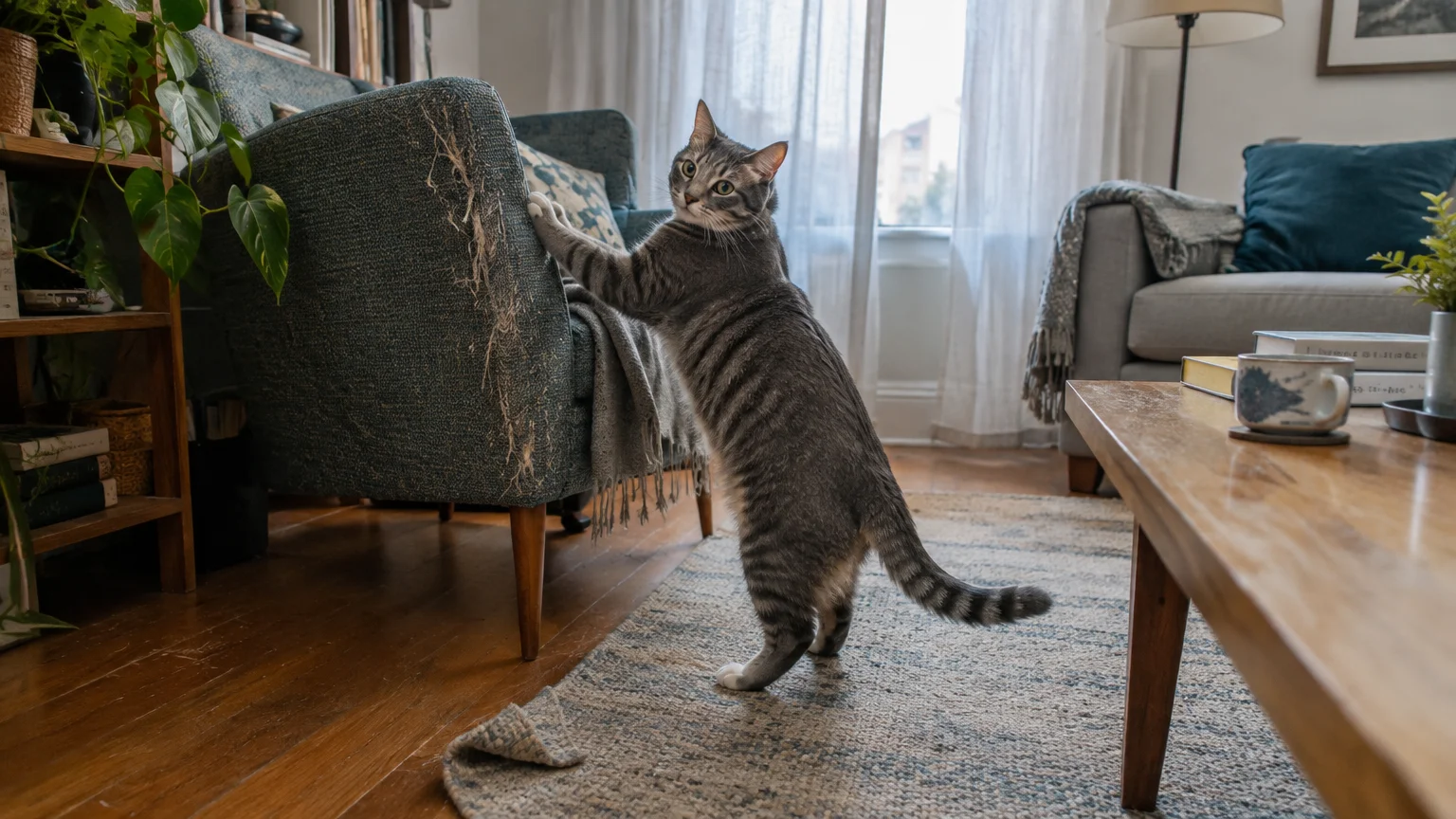
5. Destructive Scratching in Direct Sightlines
Scratching fulfills critical biological roles by shedding dull claw sheaths, exercising digital flexor muscles, and depositing territorial foot-pad pheromones. However, the specific location and timing of the scratching often reveal an underlying social motivation.
If your cat ignores their designated scratching post and begins shredding the sofa right in front of you, pay close attention. Performing this destructive act within your direct line of sight functions as a conspicuous communicative display.
Cats recognize that targeting high-value upholstery elicits an urgent, vocal reaction that draws you directly to their side. Over time, the cat links the physical destruction of forbidden surfaces with guaranteed human engagement.
Addressing this habit requires understanding that your cat may not seek claw maintenance, but rather your dynamic presence. Punishing the cat rarely works; it merely validates their belief that scratching captures your full emotional focus.
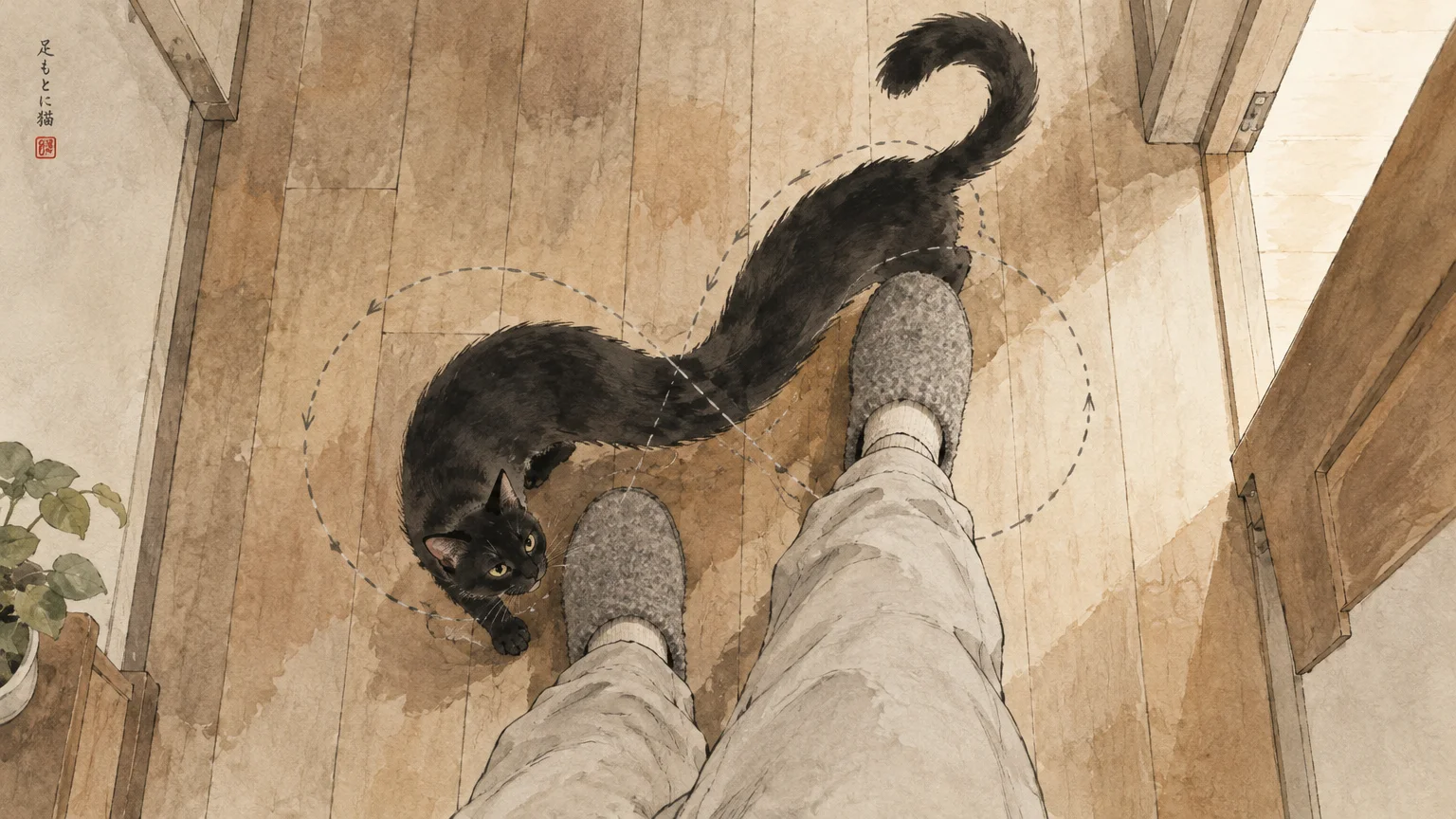
6. Persistent Shadowing and Underfoot Entanglement
Navigating your hallway becomes a precarious journey when your cat weaves continuously between your ankles as you walk. This persistent shadowing behavior mirrors the proximity-seeking tendencies observed in young kittens toward their mothers.
Companion animals maintain specific attachment styles, and many indoor felines view their owners as secure territorial bases. When you move through the house, your companion shadows your path to maintain uninterrupted visual and physical access.
Studies documented in the Journal of Feline Medicine and Surgery indicate that close proximity correlates directly with secure emotional attachment in domestic cats. Your pet walks ahead of you, pauses abruptly, and looks backward to confirm that you are following their lead.
This weaving maneuver physically halts your forward momentum, compelling you to pause and acknowledge their presence. It represents a living roadblock engineered entirely to secure a moment of mutual recognition.
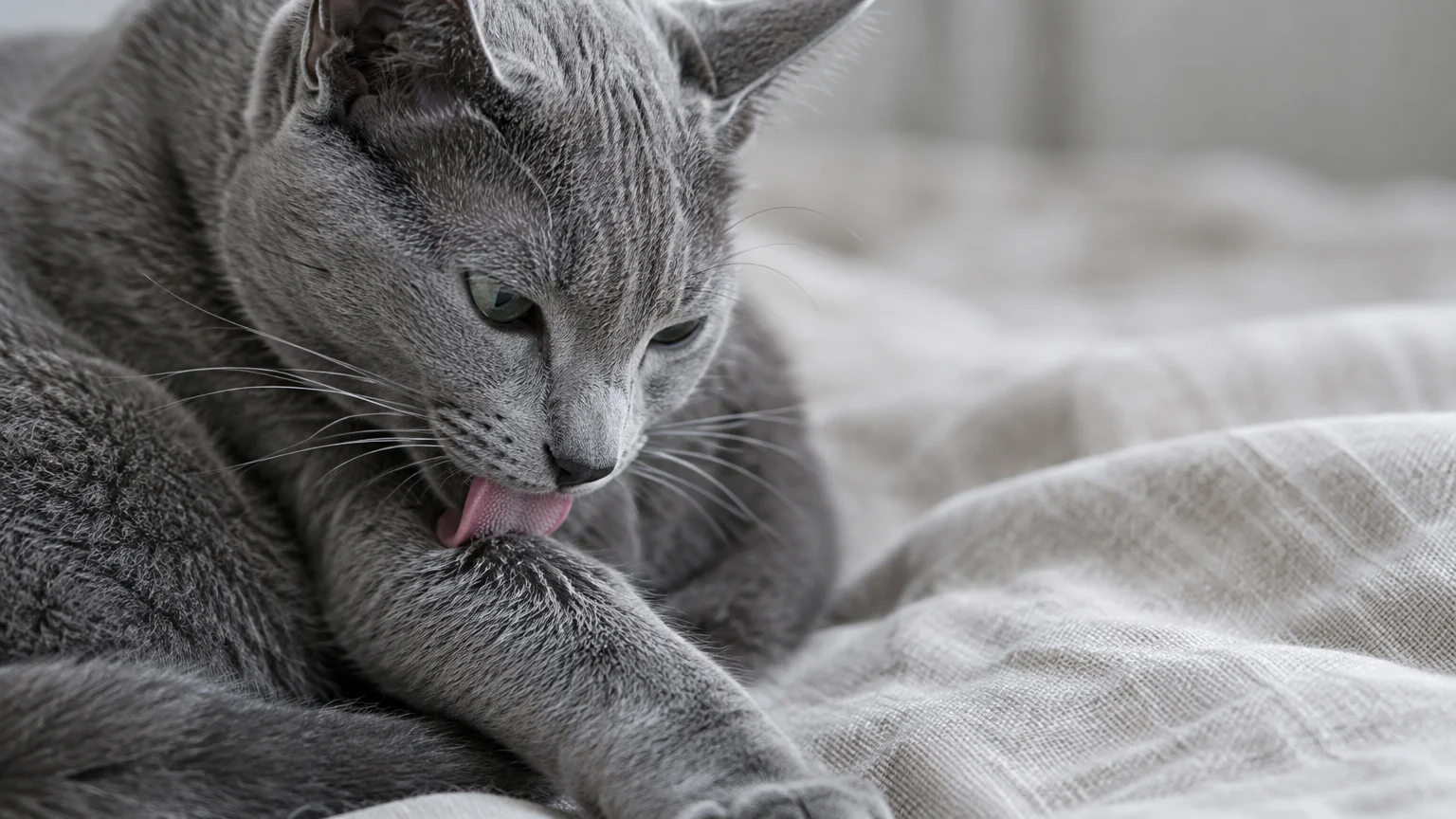
7. Compulsive Grooming and Excessive Licking
A cat that constantly grooms their own coat or meticulously licks your bare skin may be signaling emotional unease. While mutual grooming—known as allogrooming—fosters social harmony, intense repetition often flags an unresolved psychological need.
When cats experience social frustration or sensory boredom, they frequently resort to displacement behaviors to soothe their nervous systems. Grooming releases calming endorphins, offering temporary internal relief when external companionship remains unavailable.
If your cat transitions from licking your arm to gently scraping their incisors against your skin, they are demanding engagement. This tactile escalation acts as an emotional safety valve that prevents their unmet social energy from souring into anxiety.
Monitoring this habit prevents displacement grooming from transforming into psychogenic alopecia, where cats lick their hair away completely. Catching these early signals protects both their emotional equilibrium and their physical coat health.
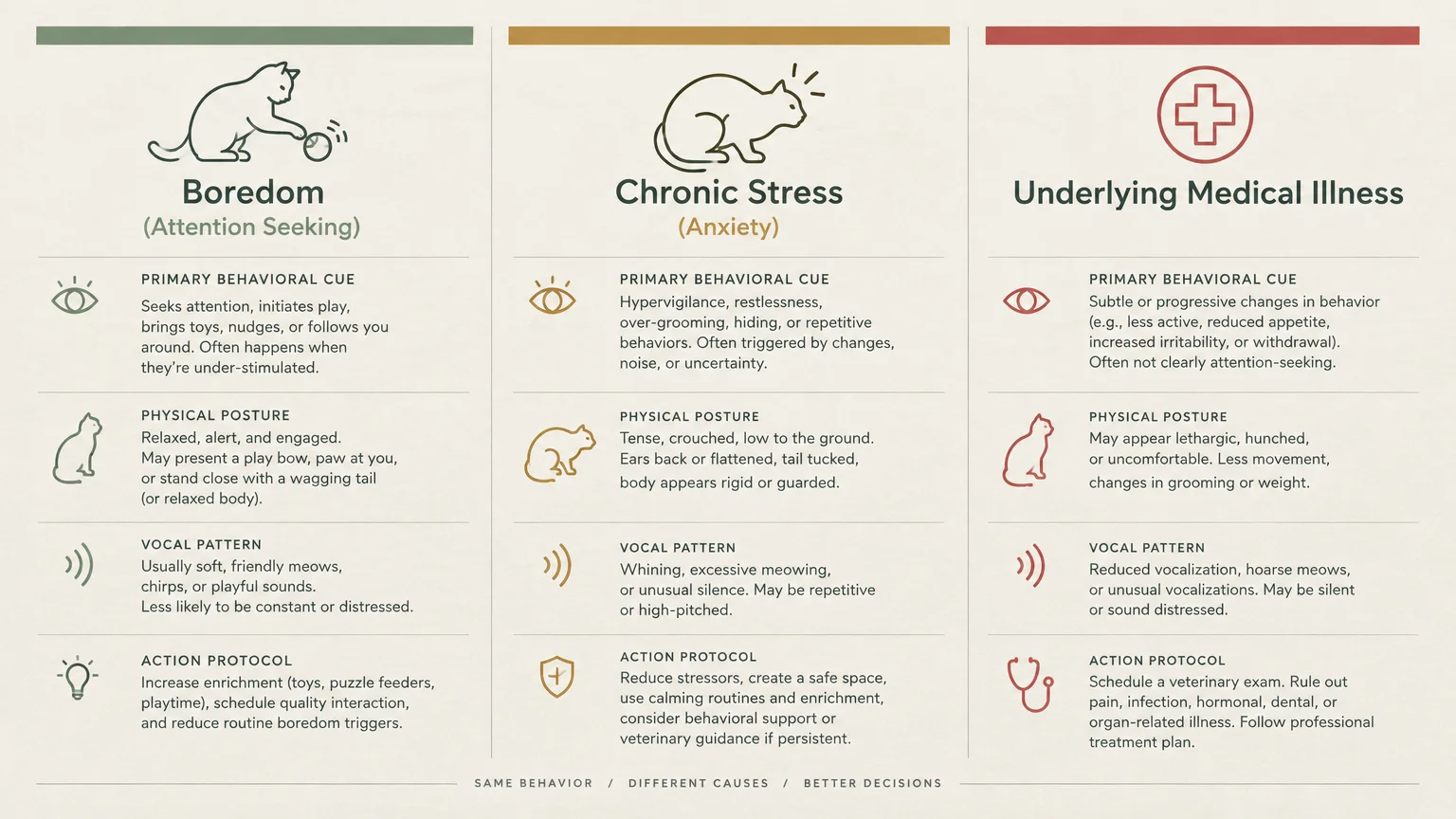
Distinguishing Between Boredom, Stress, and Illness
Before modifying your household routine, you must differentiate normal attention-seeking behaviors from underlying medical distress. Sudden behavioral transformations frequently mask hidden physiological pain, metabolic imbalances, or neurological shifts.
Veterinary guidance published by the ASPCA stresses the importance of eliminating clinical conditions before diagnosing simple boredom. Systemic conditions like hyperthyroidism or dental inflammation can dramatically increase vocalizations and restlessness.
If your veterinarian confirms complete physical health, you can safely attribute the disruptive habits to psychological and environmental gaps. Indoor cats lack the endless sensory stimuli of the natural world, leaving their cognitive faculties underutilized.
An under-stimulated feline brain inevitably manufactures its own entertainment, which often clashes directly with your household harmony. Recognizing the root driver allows you to address the underlying cause rather than simply suppressing annoying symptoms.

Actionable Enrichment: Rebalancing Your Cat’s Daily Routine
Resolving your cat’s social hunger does not require spending hours entertaining them every single day. Instead, you must implement structured, predictable interactions that fulfill their natural instincts without exhausting your schedule.
Begin by scheduling two focused ten-minute play sessions each day using interactive wand toys. Mimic natural prey movements by darting the toy away from the cat, allowing them to stalk, chase, and capture.
Always conclude high-energy predatory play with a protein-rich meal or treat to complete their neurological hunting sequence. This sequence—hunt, catch, kill, and eat—triggers natural satiety and encourages peaceful restorative sleep afterward.
The American Veterinary Medical Association emphasizes that environmental complexity dramatically lowers stress-induced behavioral problems in domestic pets. Install vertical climbing trees near secure windows so your companion can safely monitor outdoor wildlife and passing scenery.
Replace free-feeding bowls with puzzle feeders that challenge your cat to solve physical problems for their kibble. Forcing your pet to manipulate foraging toys satisfies their problem-solving drives while keeping their mind occupied during your work hours.
Establish designated quiet zones where you sit together without devices, offering gentle tactile strokes along their scent glands. Predictable daily affection reassures your companion that their emotional investment in you remains safe and reciprocated.
Frequently Asked Questions
Can cats become depressed if you ignore their bids for attention?
Yes, cats can develop depressive symptoms and behavioral lethargy when subjected to prolonged emotional neglect. Chronic social deprivation often results in decreased appetite, interrupted sleep cycles, and total withdrawal from daily household interactions.
Providing consistent daily affection prevents cognitive decline and ensures your pet maintains their zest for environmental exploration.
Why does my cat bite me gently while demanding attention?
These gentle nibbles, commonly called love bites, occur when a cat experiences sudden emotional overstimulation during close contact. Your cat enjoys the physical connection, but their nervous system rapidly becomes overwhelmed by the intense sensory feedback.
Watch for subtle warning cues like twitching skin or a lashing tail tip so you can pause before biting occurs.
Does adopting a second cat resolve attention-seeking behavior?
Adopting another feline can provide valuable social companionship, but it does not automatically replace the human bond your cat desires. In some cases, introducing an incompatible animal creates territorial friction and elevates household anxiety rather than solving loneliness.
Evaluate your current pet’s temperament thoroughly before deciding whether an animal sibling will enrich or complicate their living environment.
How much daily interaction does an indoor cat actually require?
Most healthy adult indoor cats thrive on roughly twenty to thirty minutes of direct, interactive engagement each day. Splitting this time into two or three short, high-intensity play and grooming sessions produces the best behavioral outcomes.
Quality and consistency matter far more than sheer duration when nurturing your companion’s social and psychological health.
Honoring the Feline Social Contract
Domestic cats possess an extraordinary capacity for empathy, mutual care, and profound domestic partnership. Their vocal petitions, keyboard intrusions, and insistent head-butts are not signs of malice, but invitations to connect deeply.
When you answer these daily overtures with patience and enriched routines, you honor an evolutionary alliance spanning millennia. By opening your schedule to their quiet requests, you elevate your home into a shared sanctuary of mutual trust.


