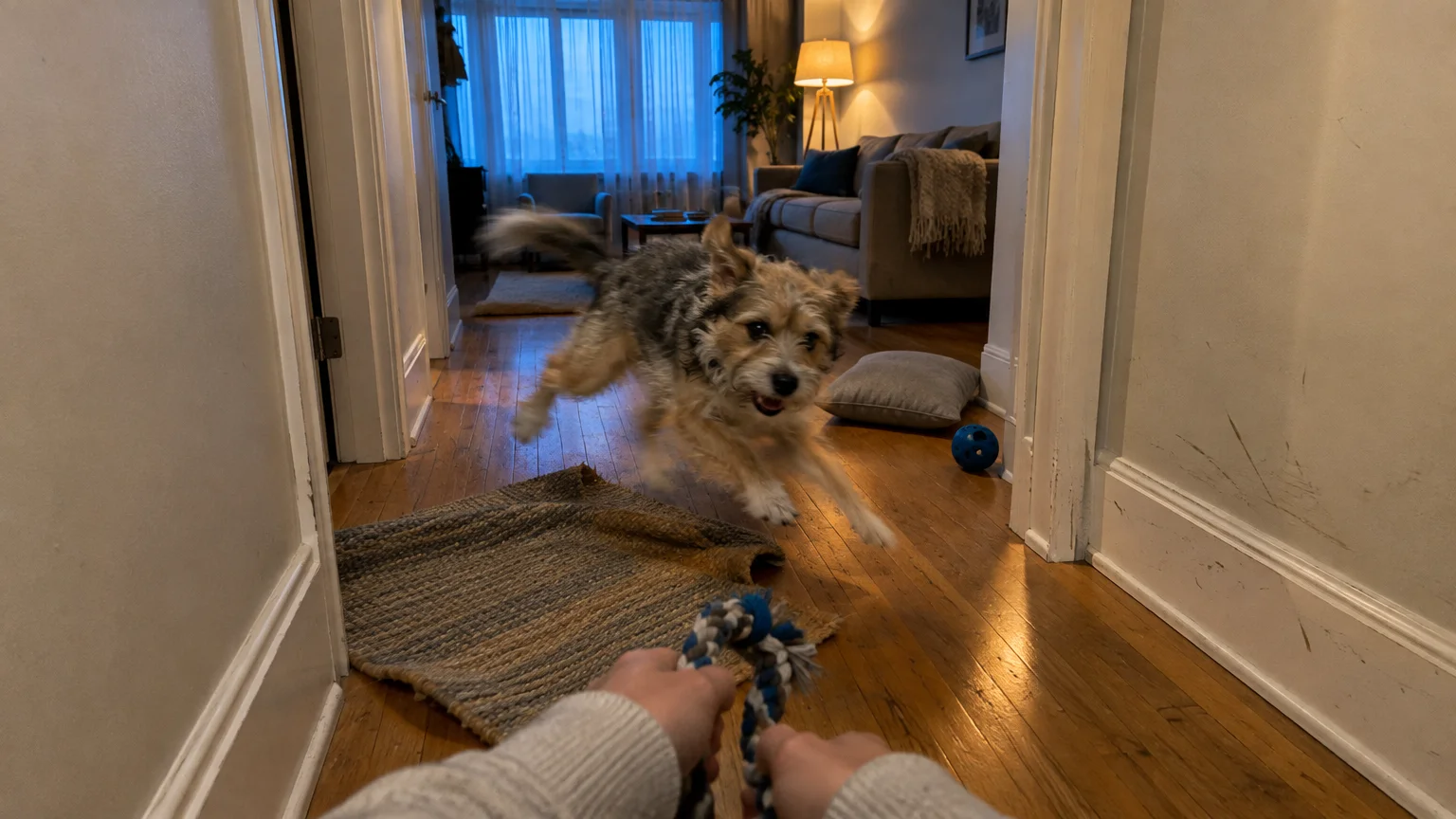
You watch your dog sprint across the room, bounce off the furniture, and ignore every cue you give. While energetic antics are normal canine traits, persistent frenzy and chronic distractibility point to something deeper.
Canine behavioral researchers now recognize that dogs can experience neurodevelopmental patterns remarkably similar to human attention deficit hyperactivity disorder. Identifying these behavioral signals helps you transform your daily routine and restore harmony to your home.
Understanding your dog’s distinct brain chemistry allows you to replace constant frustration with targeted, practical support.
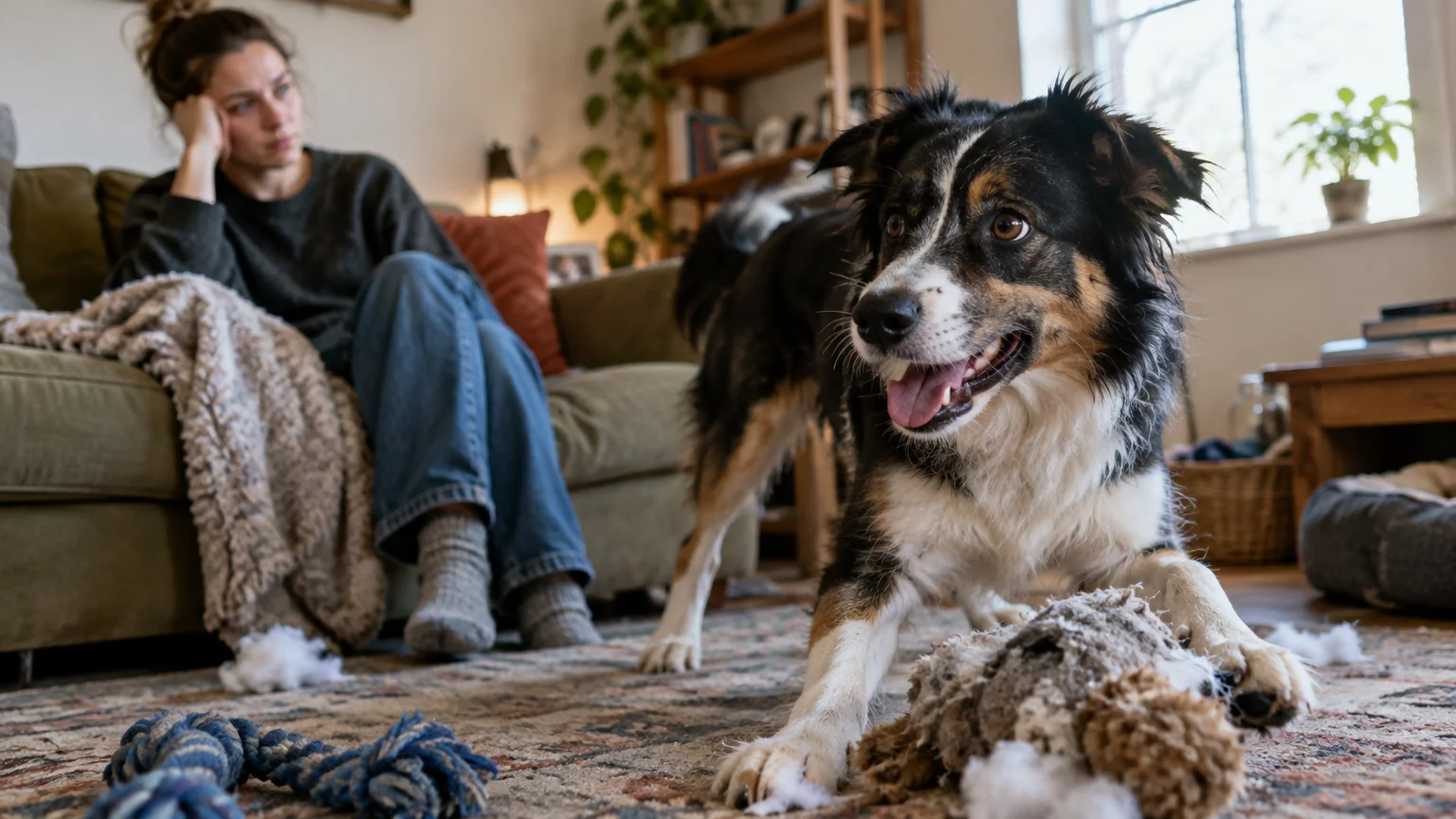
Beyond High Energy: What Canine ADHD Really Means
High energy is a celebrated hallmark of many canine companions. However, true clinical hyperactivity represents an entirely different neurological challenge.
In veterinary medicine, clinicians avoid casual human labels. They diagnose this rare neurobehavioral condition as Hypersensitivity-Hyperactivity Syndrome, or simply hyperkinesis.
A typical high-energy dog relaxes happily after a brisk walk or an engaging training session. In contrast, a hyperkinetic dog remains physically trapped in perpetual motion.
These animals struggle with fundamental chemical communication inside their brains. Dysregulation within dopamine and serotonin pathways prevents them from processing environmental stimuli normally.
Even in a quiet, darkened room, their bodies remain on high alert. Their heart rates remain elevated, and their muscles stay taut with persistent tension.
You might assume your dog simply lacks obedience or needs stricter discipline. Yet hyperkinesis is an involuntary physiological state, not a deliberate refusal to listen.
Recognizing this biological reality shifts your perspective from exasperation to genuine empathy. It transforms how you approach every single training session and daily interaction.
The Science: Landmark Research and Genetic Clues
Canine cognition has advanced rapidly over the past decade. Groundbreaking research has confirmed that behavioral traits matching attention deficit hyperactivity disorder occur naturally across dog populations.
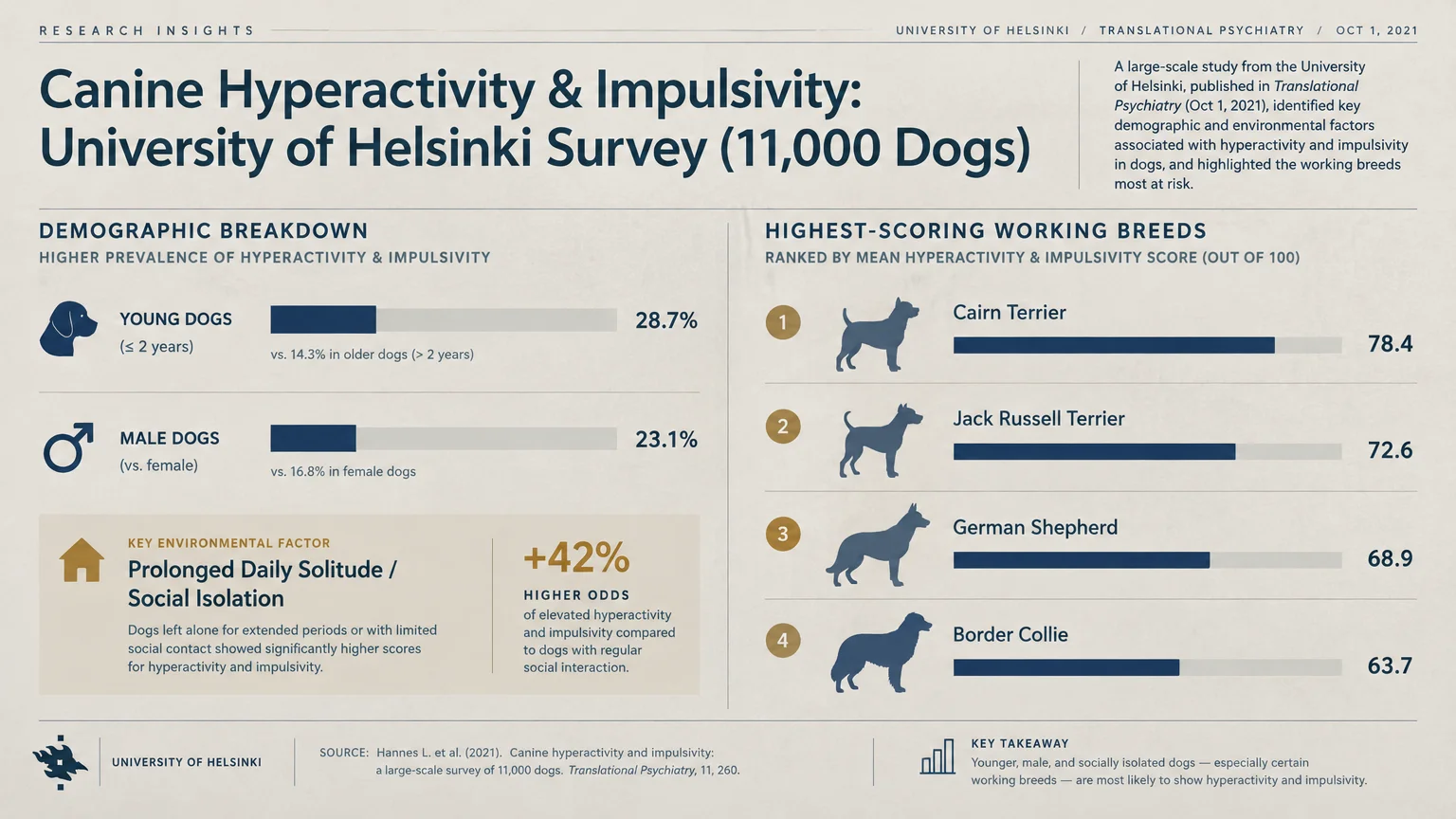
A landmark study published in Translational Psychiatry on October 1, 2021, provided unprecedented insight into this phenomenon. Researchers at the University of Helsinki evaluated behavioral survey data from over 11,000 pet dogs.
The findings revealed that canine hyperactivity, impulsivity, and inattention do not occur at random. Specific demographics and environmental conditions correlate strongly with these distinct behavioral traits.
The Helsinki researchers discovered that these behaviors appear far more frequently in young dogs and male dogs. Biological development and hormonal baselines clearly influence canine impulse regulation.
Environment also plays a substantial role in behavioral expression. Dogs that spend more time alone at home exhibit significantly higher levels of hyperactivity and impulsivity.
Social isolation deprives the brain of essential cognitive engagement. For an animal already prone to nervous arousal, prolonged solitude amplifies inner restlessness.
The 2021 investigation confirmed that breed genetics strongly dictate how these traits present. Centuries of selective breeding have shaped distinct canine neurological profiles.
Working breeds scored highest for hyperactivity and impulsivity. Cairn Terriers, Jack Russell Terriers, German Shepherds, and Border Collies led this behavioral category.
Selective breeding programmed these working dogs to react instantly to microscopic movements in their environments. When kept in standard domestic settings without an outlet, their drives manifest as extreme restlessness.
Conversely, companion and toy breeds exhibited a completely different pattern. Chihuahuas, Rough Collies, and Poodles scored highest for pure inattention.
These companion dogs do not necessarily sprint across rooms uncontrollably. Instead, they struggle to maintain mental focus on human tasks and wander off mentally during basic interactions.
Key Signs: Hyperactivity, Impulsivity, and Inattention
Inattention and Mental Drift
Canine inattention is not a sign of stubbornness or low intelligence. It reflects a brain that cannot filter competing sensory data.
An inattentive dog might know a cue perfectly inside your quiet kitchen. Move that same dog to your front yard, and the command evaporates instantly from their working memory.
You will notice them constantly shifting their gaze between unrelated stimuli. A falling leaf, a distant car, or a speck of dust derails their train of thought completely.
They frequently abandon interactive puzzle toys halfway through solving them. Their interest wanes within seconds, leaving them searching aimlessly for the next immediate dopamine spike.
Repetitive obedience drills quickly cause these dogs to shut down or disengage. Their brains crave novelty and quickly reject sustained mental exertion.
You may also observe that eye contact remains fleeting and fragmented. They look toward you for a fraction of a second before darting their attention elsewhere.
Motor Hyperactivity Without an Off-Switch
Hyperactivity manifests as an exhausting, non-stop motor drive. A dog with hyperkinesis appears physically incapable of settling down, even when thoroughly exhausted.
They pace relentlessly across your living room, panting heavily without physical exertion. They circle beds, lie down for a brief moment, and spring up at the faintest sound.
Normal dogs sleep deeply throughout the day and night to recharge. A hyperactive dog experiences fragmented, shallow rest and wakes up at the slightest vibration.
You will often observe excessive vocalization paired with their physical pacing. Whining, barking, and restless whimpering accompany their inability to find physical stillness.
This state takes a heavy toll on their physical health. Chronic elevation of stress hormones impairs their digestive function and depletes their immune defenses over time.
Their body temperature often runs slightly warm due to ceaseless muscle activity. Even during quiet moments, their paws twitch and their breathing remains shallow and rapid.
Extreme Impulsivity and Zero Inhibition
Impulsivity represents the third critical pillar of canine attention issues. An impulsive dog acts immediately on every primal urge without a microsecond of hesitation.
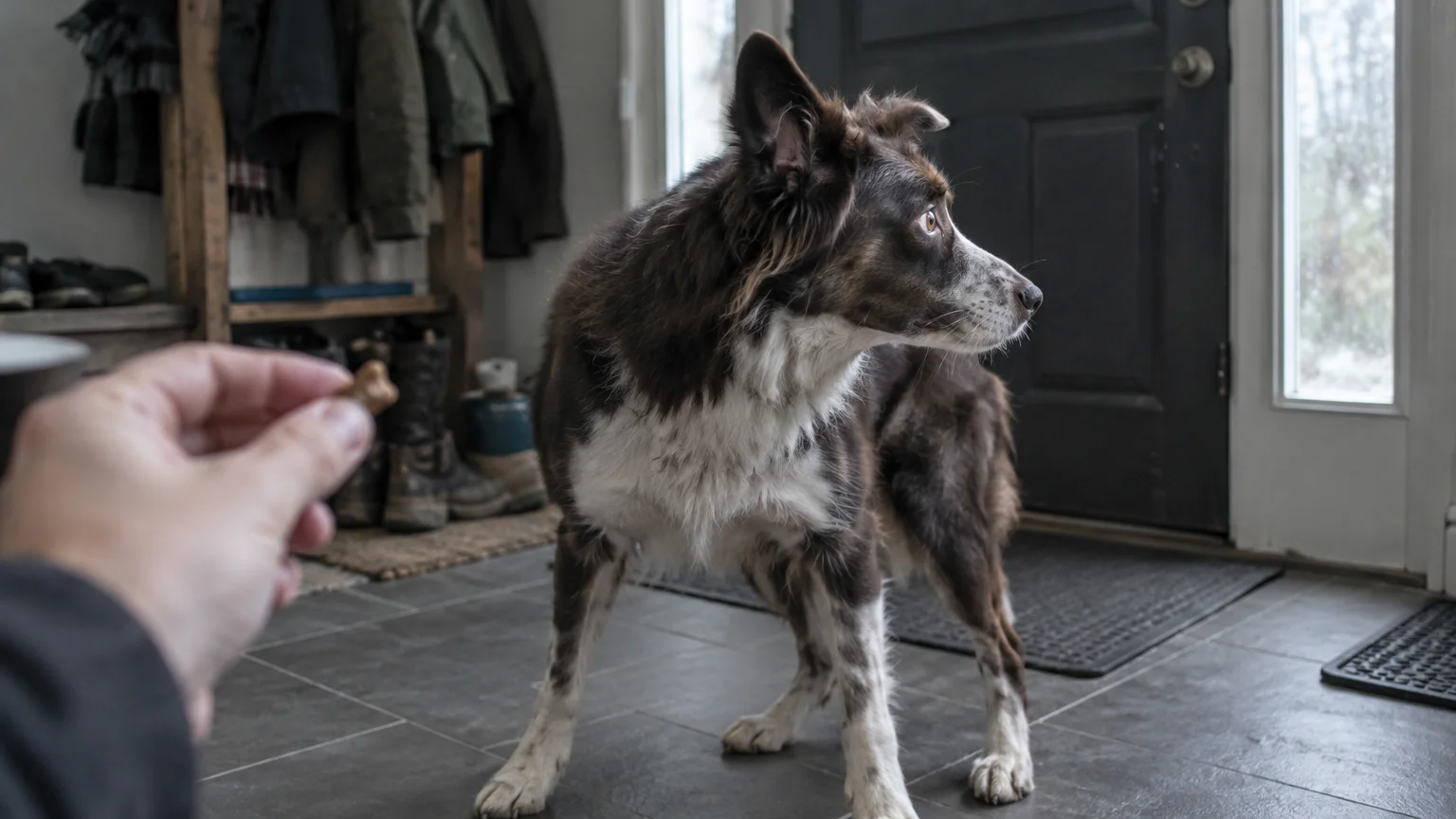
They snatch treats from your fingers with painful force. They dart through open doorways before you can react, heedless of oncoming hazards or obstacles.
Impulse control requires neurological inhibition, which functions like internal cognitive brakes. In hyperactive dogs, these biological brakes fail to engage when excitement surges.
Waiting for food bowls or leash attachments triggers extreme agitation. They jump, whine, and spin because delayed gratification feels intolerable to their wired nervous system.
This lack of impulse inhibition frequently compromises their safety. An impulsive dog leaps from moving vehicles or jumps across dangerous drops without assessing the risk.
During play with other animals, they regularly miss subtle social boundaries. They charge into canine groups at full speed, misreading warnings and causing accidental conflicts.
Associated Behavioral Conditions and Comorbidities
Attention issues rarely exist in isolation within the canine brain. Neurodevelopmental differences often intersect with multiple complex behavioral challenges.
A major study published in Scientific Reports in March 2022 confirmed this clinical reality. Researchers analyzed behavioral data from nearly 4,500 dogs to identify co-occurring conditions.
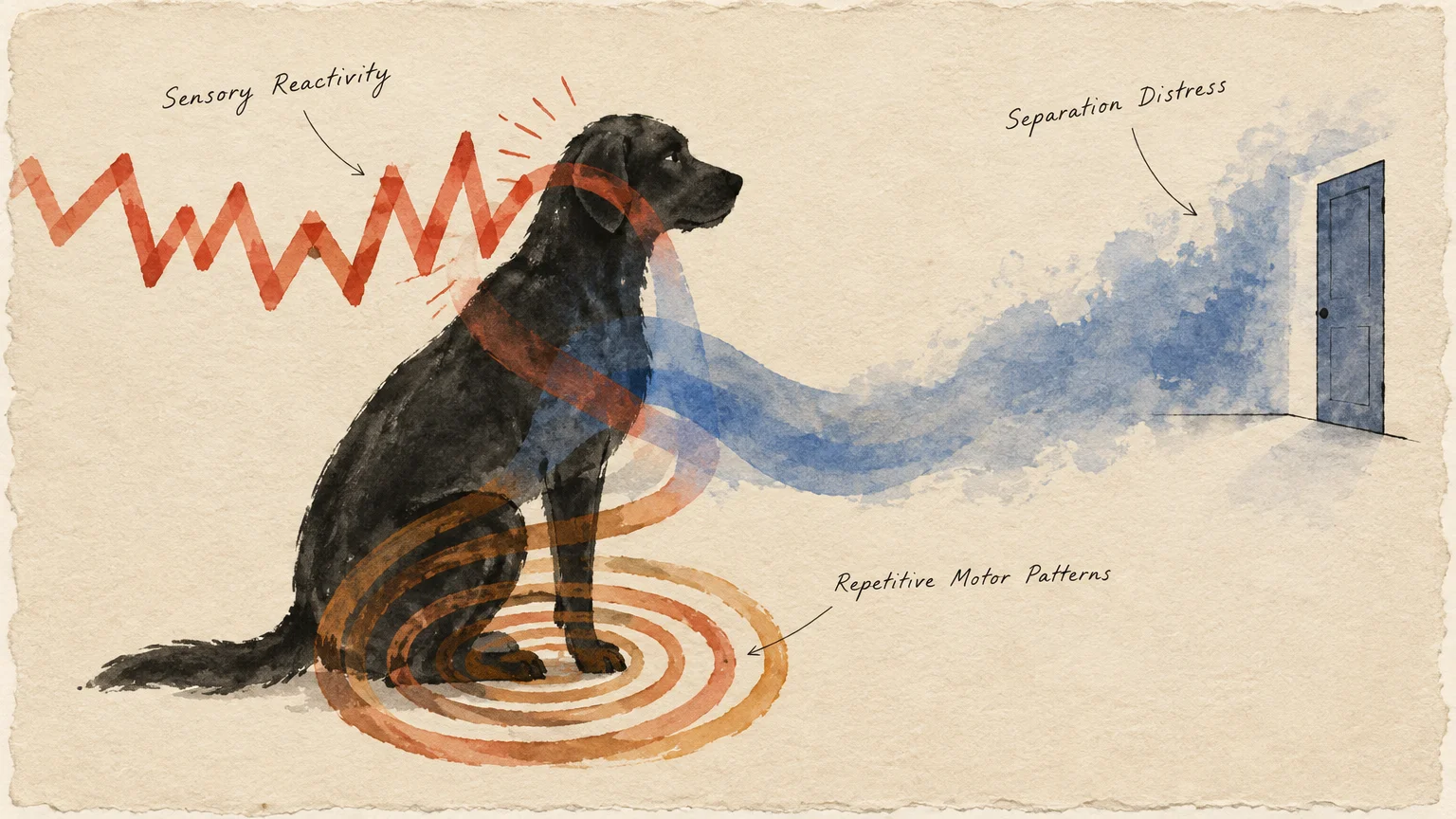
The researchers verified that canine ADHD-like traits share powerful comorbidities with obsessive-compulsive behaviors. Dogs exhibiting high hyperactivity and inattention frequently develop repetitive, stereotyped motor patterns.
You might watch your dog chase their tail relentlessly for hours. Other individuals lick their flanks, paws, or surrounding objects until the skin becomes raw and ulcerated.
These repetitive behaviors serve as coping mechanisms for an overwhelmed nervous system. When the brain cannot process sensory input, it defaults to rhythmic, compulsive motor loops.
The 2022 study also identified strong links between ADHD-like traits and pervasive fearfulness. A brain that cannot filter external stimuli perceives the surrounding environment as hostile and unpredictable.
Sudden sounds like thunder or distant traffic produce disproportionate panic. These dogs struggle to recover from startling events, remaining anxious long after the trigger disappears.
Furthermore, the research established a direct correlation with canine aggressiveness. Impulsive dogs possess a dangerously low threshold for frustration and snap defensively when pushed beyond their coping capacity.
Recognizing these comorbidities prevents you from viewing behavioral problems as isolated flaws. They are interconnected manifestations of an underlying neurological imbalance.
Cognitive Flexibility and the Critical Power of Sleep
Dogs with attention challenges often struggle with cognitive flexibility. Cognitive flexibility measures how easily an animal updates its behavior when circumstances change.
An illuminating study published in the journal Animals on October 23, 2025, examined this exact dynamic. Scientists tested 64 family dogs using reversal learning tasks to evaluate their cognitive adaptability.
In these tasks, dogs first learned that choosing one specific cue yielded a reward. Once they mastered the rule, researchers flipped the reward to the alternate cue.
Dogs with higher ADHD-like scores struggled significantly with this transition. They stubbornly repeated their initial choice, unable to suppress old habits or adapt to new rules.
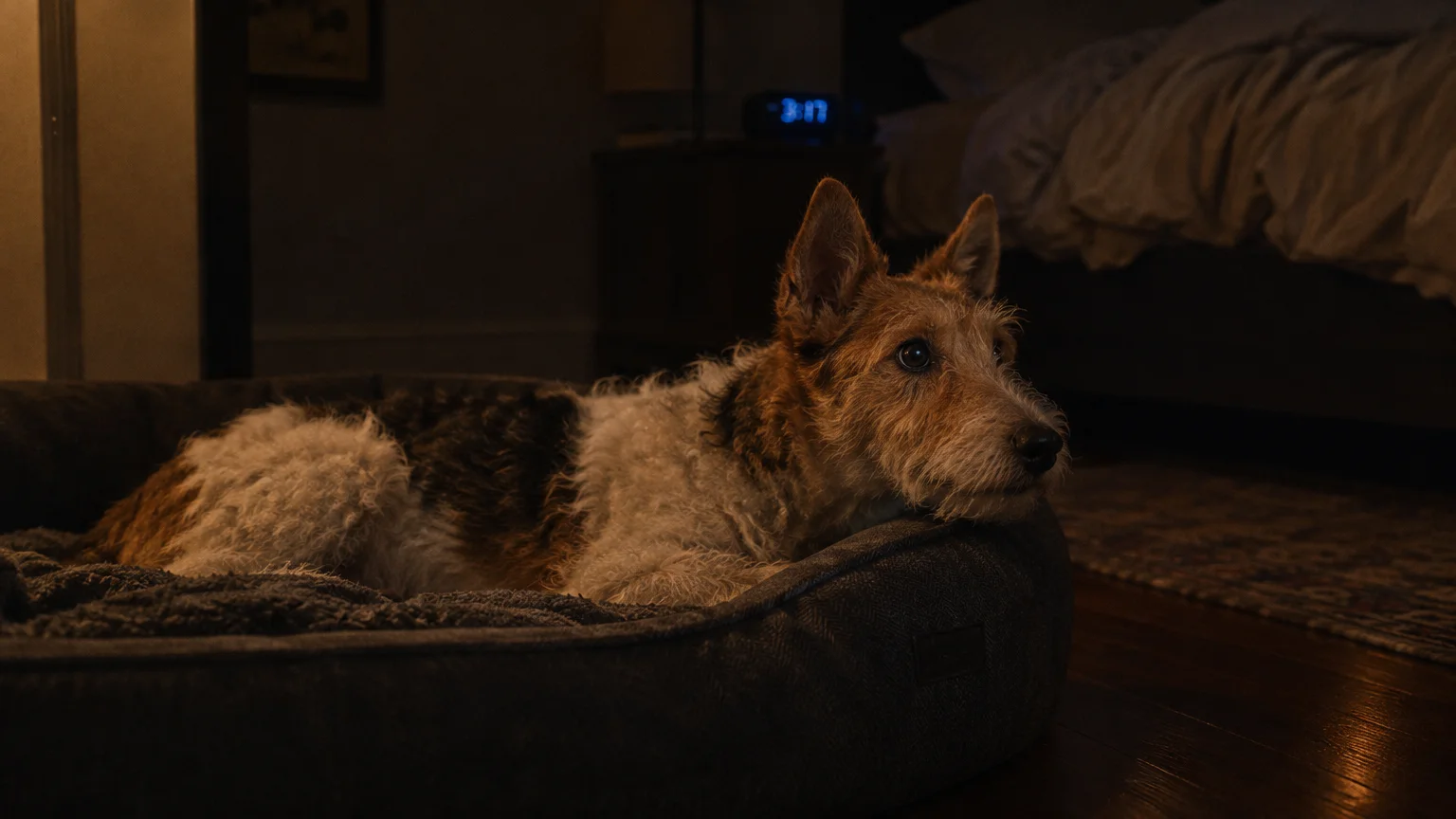
However, the October 23, 2025 study unveiled a transformative discovery for dog guardians. Getting at least 25 minutes of sleep following task exposure helped mitigate these learning impairments.
Sleep acts as a neurological reset button for the canine brain. During deep rest, neural connections consolidate learning and clear metabolic waste from active synapses.
For an easily distracted dog, post-training sleep solidifies the lessons you teach. Without adequate rest, your training efforts dissolve into neurological noise.
You can support this process by creating dedicated calm sanctuaries in your home. Dim the lights and play low white noise after every brief training session.
Protecting your dog from household disturbances allows them to achieve that vital restorative sleep. That critical sleep window turns behavioral frustration into steady progress.
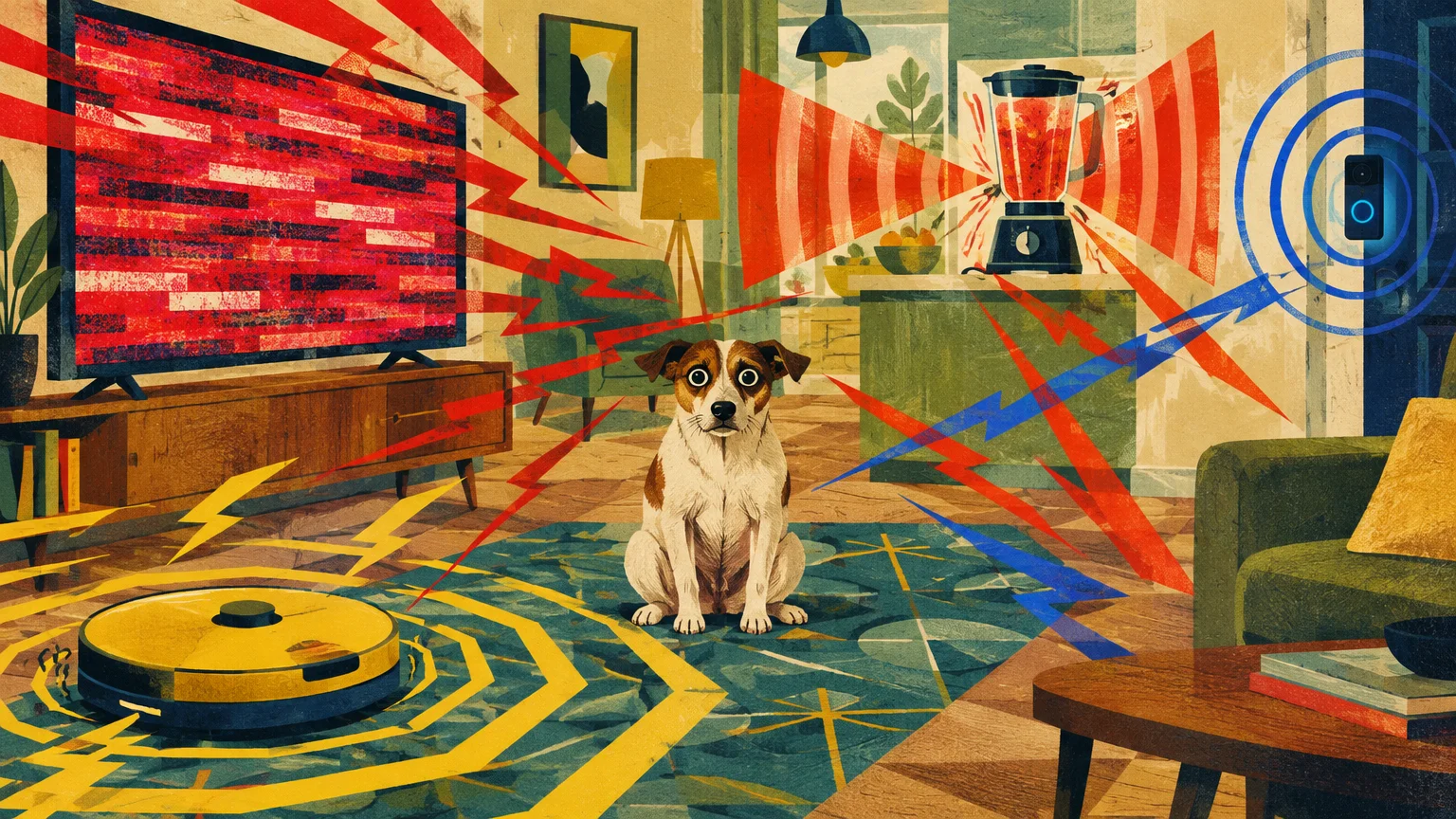
Sensory Overload in the Modern Household
Modern homes present a continuous barrage of sensory information. For a dog with sensory processing differences, everyday indoor environments feel overwhelmingly loud and chaotic.
High-frequency electronics emit noises outside human hearing ranges. Refrigerators, fluorescent bulbs, and charging stations generate a constant auditory hum that irritates sensitive canine ears.
Street-facing windows provide endless visual triggers that keep an impulsive dog constantly on edge. Seeing pedestrians, delivery drivers, and stray cats provokes continuous adrenaline surges throughout the day.
You can mitigate this visual stress by applying frosted window film to lower panes. Blocking line of sight immediately lowers vigilance and helps your dog disengage from the outside world.
Tactile sensitivities also play an underappreciated role in canine agitation. Stiff collars, bulky harnesses, or tight clothing can create constant skin irritation that fuels motor restlessness.
Choose lightweight, padded gear that distributes pressure evenly across your dog’s chest. Removing uncomfortable physical sensations removes another layer of unnecessary neurological friction.
Veterinary Diagnosis: The Paradoxical Stimulant Test
You should never attempt to diagnose your dog with a neurobehavioral condition alone. Many serious medical conditions mimic the external symptoms of canine hyperactivity.
Schedule a comprehensive evaluation with your veterinarian or a specialist certified by the American College of Veterinary Behaviorists. Professional guidance ensures you identify the true root cause.
Your clinician will first rule out underlying physical ailments. Severe thyroid dysfunction, chronic gastrointestinal pain, and systemic allergies can make a dog frantically restless.
Neurological conditions and heavy parasitic infestations also cause severe agitation. Once bloodwork and physical exams rule out medical illness, behavioral evaluations begin.
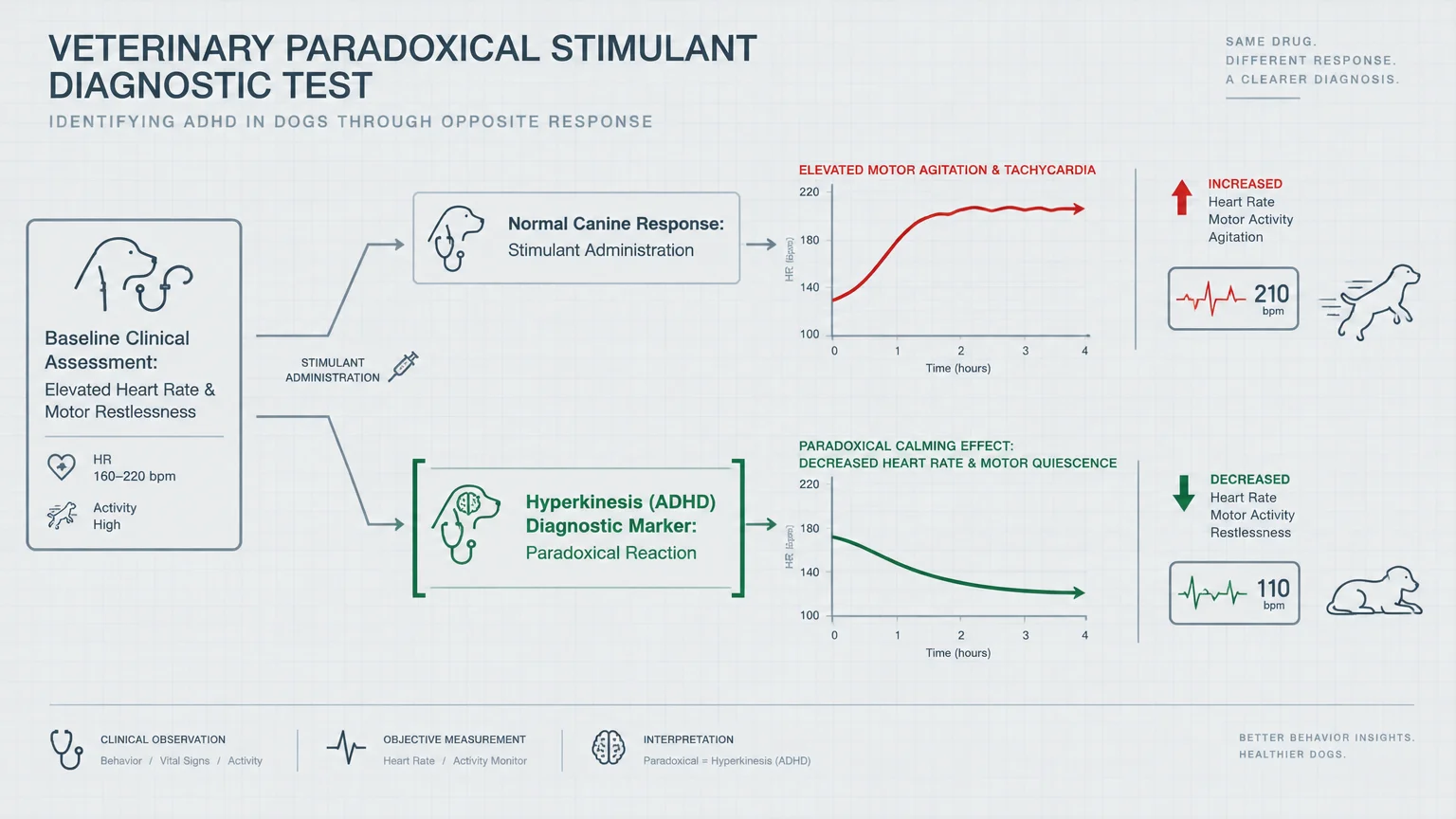
To confirm true hyperkinesis, veterinarians sometimes utilize a specialized paradoxical stimulant test. This clinical test evaluates how your dog’s nervous system responds to pharmaceutical stimulants.
Under strict medical supervision, the clinician administers a stimulant such as methylphenidate or dextroamphetamine. In a neurotypical dog, these substances elevate heart rate and increase motor agitation.
In a dog with true hyperkinesis, a paradoxical reaction occurs. Their heart rate drops, their breathing slows, and their relentless motor activity visibly subsides.
This calming response confirms that the dog’s baseline arousal stems from neurochemical deficiency. It provides objective medical proof that your dog requires specialized intervention.
Your veterinary team will use these results to craft an individualized therapeutic plan. Accurate clinical testing protects your dog from ineffective training regimes and ensures targeted treatment.

Actionable Training and Daily Environmental Management
Managing a hyperactive dog requires shifting away from high-arousal activities. Many owners mistakenly believe that exhausting a hyper dog with endless fetch will cure the problem.
Relentless ball throwing actually exacerbates the issue by flooding your dog’s bloodstream with adrenaline and cortisol. It builds an athletic canine body with an even more overstimulated brain.
Replace frantic fetch sessions with decompression walks in natural environments. Allow your dog to wander on a long line and sniff whatever catches their attention.
Sniffing lowers heart rate and activates the parasympathetic nervous system. Olfactory work burns tremendous cognitive energy without triggering hyper-arousal.
Introduce structured nose work games inside your living room. Hide aromatic treats under cardboard boxes and let your dog use their sense of smell to locate them.
Predictability is your most powerful ally in reducing daily anxiety. Establish a rigid, unwavering schedule for meals, outdoor walks, training intervals, and resting periods.
When your dog knows exactly what to expect, anticipatory stress drops substantially. Routine provides a reassuring psychological anchor for an easily overwhelmed mind.
Focus your training on teaching functional stillness rather than dynamic tricks. Condition your dog to settle quietly on a designated mat using high-value, slow-delivery treats.
Reward the subtle moments when your dog voluntarily relaxes their posture. Reinforcing quiet contemplation teaches your dog that stillness is a deeply rewarding behavior.
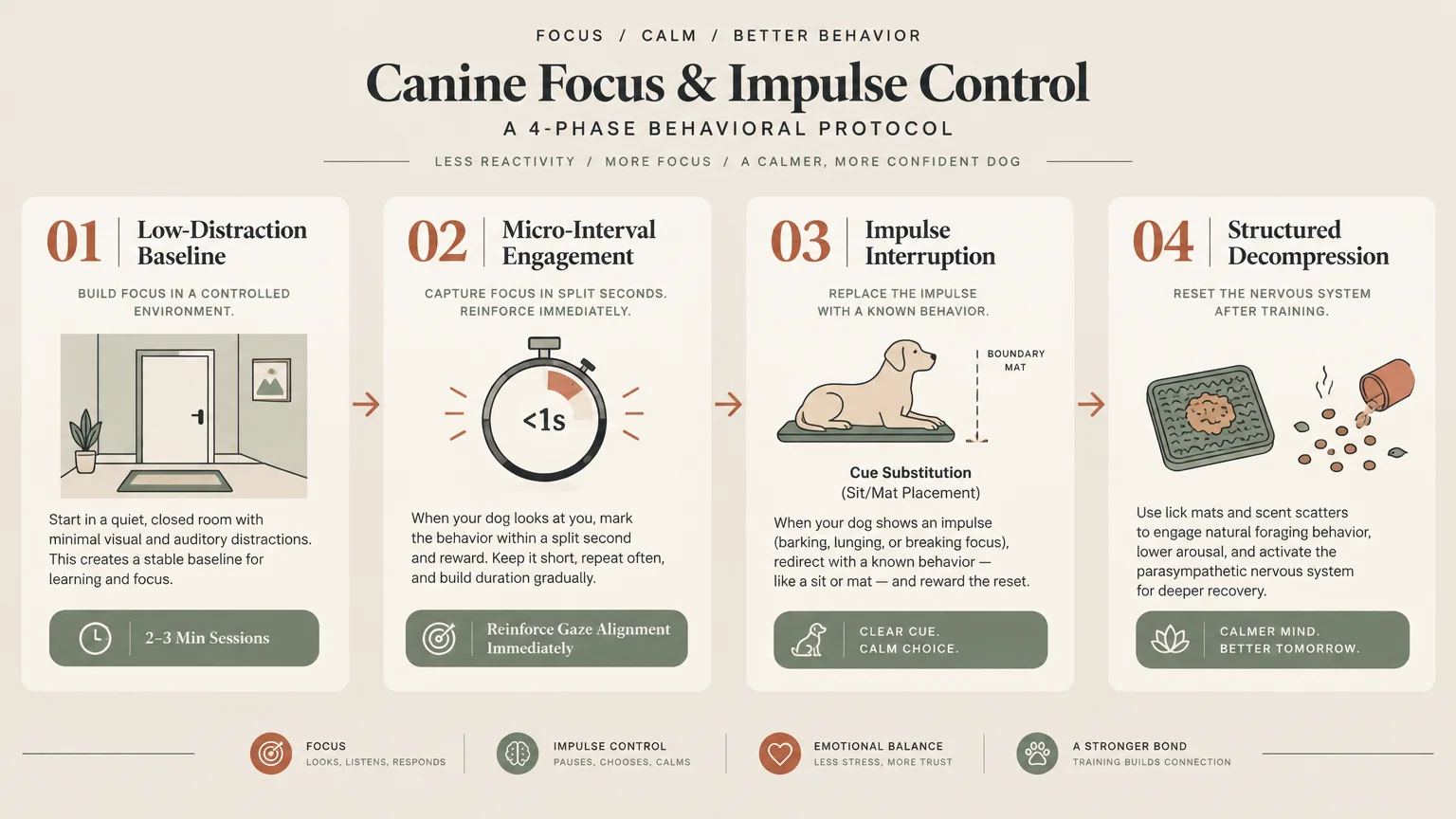
Step-by-Step Protocols: Structuring Focus and Calm
Hyperactive brains struggle with lengthy training sessions. Keep your instructional blocks down to micro-sessions lasting only a couple of minutes each.
Short learning bursts preserve cognitive stamina and prevent frustration from setting in. End each micro-session while your dog is still engaged and successful.
Ditch the food bowl entirely and use your dog’s daily meal portions for training. Delivering kibble piece by piece during calm behaviors turns routine nutrition into an engaging cognitive exercise.
Practice impulse conditioning before offering access to high-value rewards. Ask your dog to pause calmly before you open exterior doors or unclip their walking leash.
If your dog breaks position or lunges, close the door or pause immediately. This clear feedback teaches them that impulse control unlocks the world around them.
Teach a reliable hand target cue to redirect frantic momentum. Presenting an open palm gives your dog a clear, physical target that grounds their racing thoughts.
Tracking your dog’s emotional state helps you prevent sensory meltdowns. Learn to recognize early indicators of arousal, like dilated pupils and rigid ear posture, before frantic behaviors erupt.

Targeted Medical and Nutritional Support
Behavior modification and environmental enrichment are essential, but severe cases require medical support. Veterinary pharmacotherapy bridges the neurological gap when a dog cannot calm down naturally.
Standard medical management frequently involves behavioral modification paired with fluoxetine. Clinicians have studied fluoxetine extensively at dosages of 2–4 mg/kg daily for Hypersensitivity-Hyperactivity Syndrome.
Fluoxetine works by increasing serotonin availability within the brain’s neural pathways. This neurochemical support stabilizes emotional volatility and improves impulse control.
Medication does not sedate your dog or alter their unique personality. Instead, it lowers their overwhelming baseline arousal so training cues can actually register.
Nutrition also plays an influential role in regulating canine behavior. Diets high in refined carbohydrates and artificial food colorings can worsen physical hyperactivity.
Transition your dog to a high-quality, biologically appropriate protein diet. Look for balanced formulations that support stable blood sugar levels throughout the day.
Consider targeted nutritional supplements under veterinary guidance. Natural compounds like L-theanine and hydrolyzed milk proteins help promote neurological calmness without causing grogginess.
Omega-3 fatty acids also support overall brain health and reduce neural inflammation. Combining optimal nutrition with medical care creates an environment where your dog can thrive.
Always consult your veterinary team before introducing new supplements or altering medications. Professional oversight protects your dog from adverse metabolic reactions and drug interactions.
Frequently Asked Questions About Dog ADHD
Can dogs naturally outgrow ADHD-like behaviors as they mature?
Young puppies naturally display boundless energy, poor attention spans, and clumsy impulse control. Most puppies outgrow these developmental antics as their prefrontal cortex matures around adulthood.
However, dogs with true Hypersensitivity-Hyperactivity Syndrome do not outgrow their symptoms. Without targeted behavioral and medical intervention, their neurochemical imbalances persist throughout their entire adult lives.
If your adolescent dog continues to display unrelenting motor restlessness and severe inattention, seek a formal veterinary assessment. Early intervention yields the most successful long-term outcomes.
How can you tell if your dog is under-stimulated or genuinely hyperkinetic?
An under-stimulated dog calms down noticeably when you provide adequate physical exercise and brain puzzles. Their behavioral problems stem from boredom rather than biological dysfunction.
A dog with hyperkinesis remains agitated and unable to rest even after intense mental and physical stimulation. Their frantic arousal persists regardless of how much enrichment you offer.
Examine your dog’s physiological indicators during resting opportunities. A bored dog settles peacefully once stimulated, while a hyperkinetic dog exhibits rapid heart rates and persistent muscle tremors.
Does spaying or neutering your dog reduce hyperactive behavior?
Surgical sterilization eliminates sex hormones, which can reduce mating-related roaming, mounting, and territorial marking. However, it does not alter the fundamental neurotransmitter pathways responsible for hyperkinesis.
In some sensitive dogs, sudden hormonal shifts can even increase underlying anxiety or fearfulness. You should consult your veterinarian to evaluate how sterilization timing affects your dog’s behavioral health.
A comprehensive behavior management plan will always achieve far more than surgical alteration alone. Rely on neurochemical support and structured training rather than hormonal changes.
Can intense physical exercise cure canine attention disorders?
Excessive physical exercise often worsens canine hyperactivity rather than resolving it. High-intensity workouts flood your dog’s system with adrenaline, keeping their physiological stress response perpetually elevated.
Sustainable management requires mental decompression, impulse-control games, and structured sleep rather than sheer physical exhaustion. Balance and quiet relaxation must always take precedence over athletic fatigue.
Trade high-speed running games for calm sniffing walks through woodlands or quiet parks. Gentle sensory engagement regulates the autonomic nervous system far more effectively than sprinting.
Embracing and Supporting Your Neurodivergent Dog
Living with a hyperactive or inattentive dog can test your patience daily. Yet shifting your mindset from fixing a broken pet to supporting a neurodivergent partner changes everything.
These dogs possess extraordinary enthusiasm, acute sensitivity, and profound loyalty. When you provide appropriate environmental boundaries and compassionate guidance, their chaotic energy transforms into brilliant companionship.
Advocate for your dog by protecting them from chaotic social situations that trigger dysregulation. Do not hesitate to step between your dog and overwhelming environmental stressors.
Celebrate small victories, from a five-second calm settle to a focused glance during a walk. Every steady step strengthens your bond and unlocks your dog’s remarkable potential.
Your dedication transforms their daily experience from chronic overstimulation into confident security. By meeting their unique neurological needs, you give your dog the peaceful life they deserve.