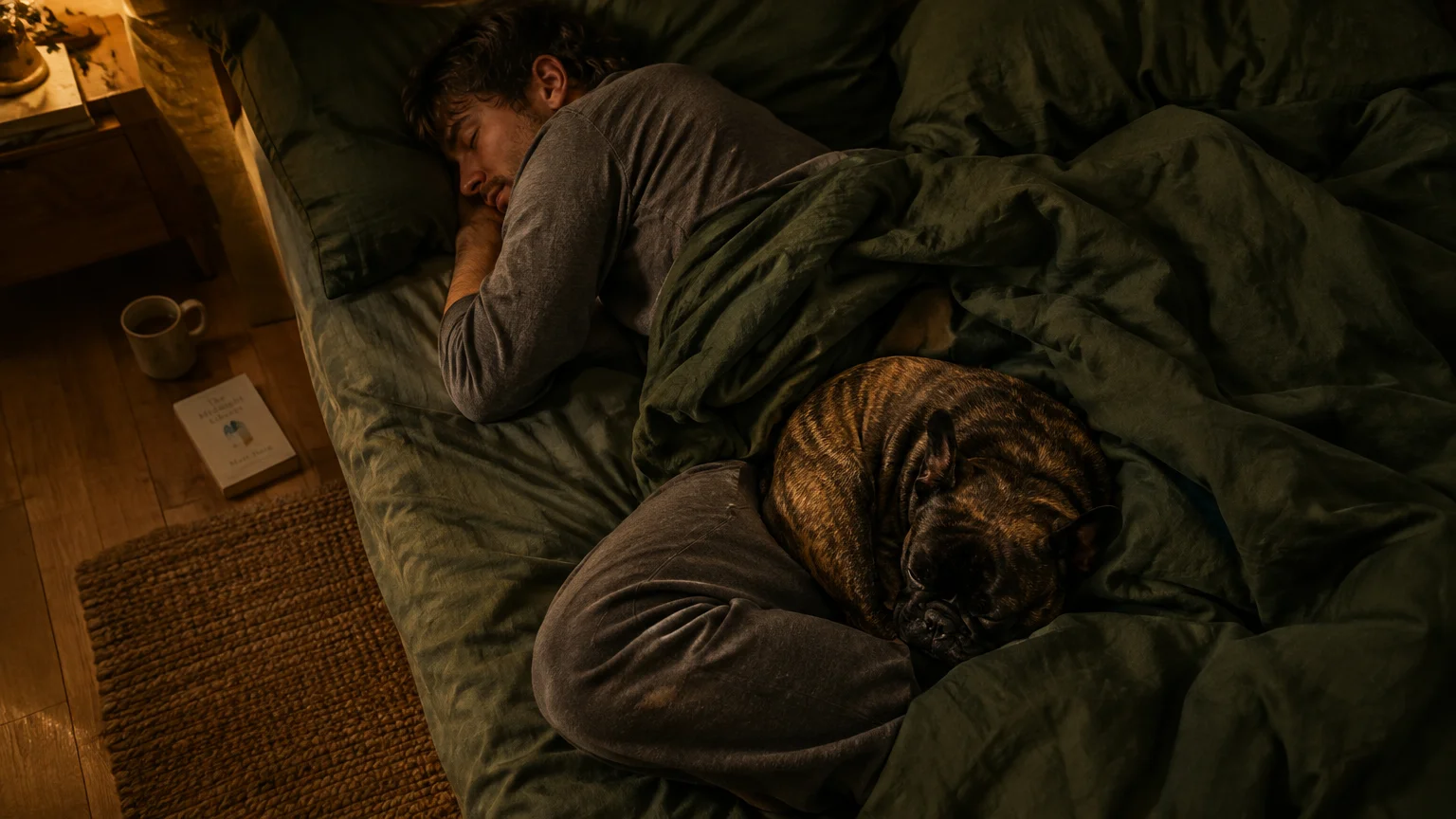
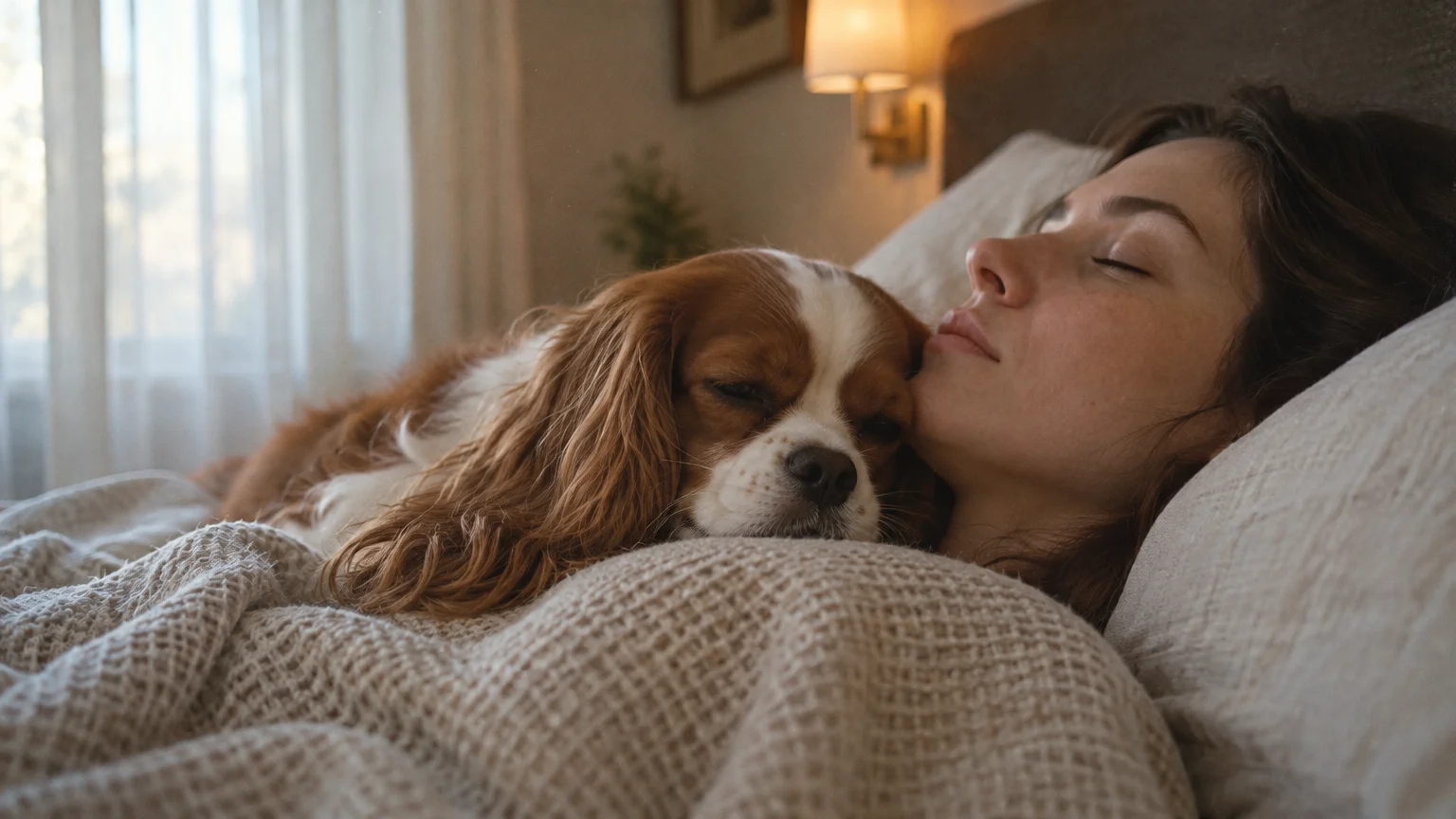
You settle under your duvet, and within minutes, a warm, rhythmic weight presses firmly against your legs. Shared nighttime slumber with a canine companion provides immense biological comfort and strengthens social trust between both species.
When your dog curls beside you, your resting heart rates synchronize while blood pressure drops noticeably. Certain affectionate dog breeds actively prioritize this nocturnal contact above all else.
Discover the top ten breeds that crave bedtime cuddles, alongside the science that explains why your mattress represents their favorite sanctuary.
The Science of Canine Cuddling: Why Dogs Seek Your Bed
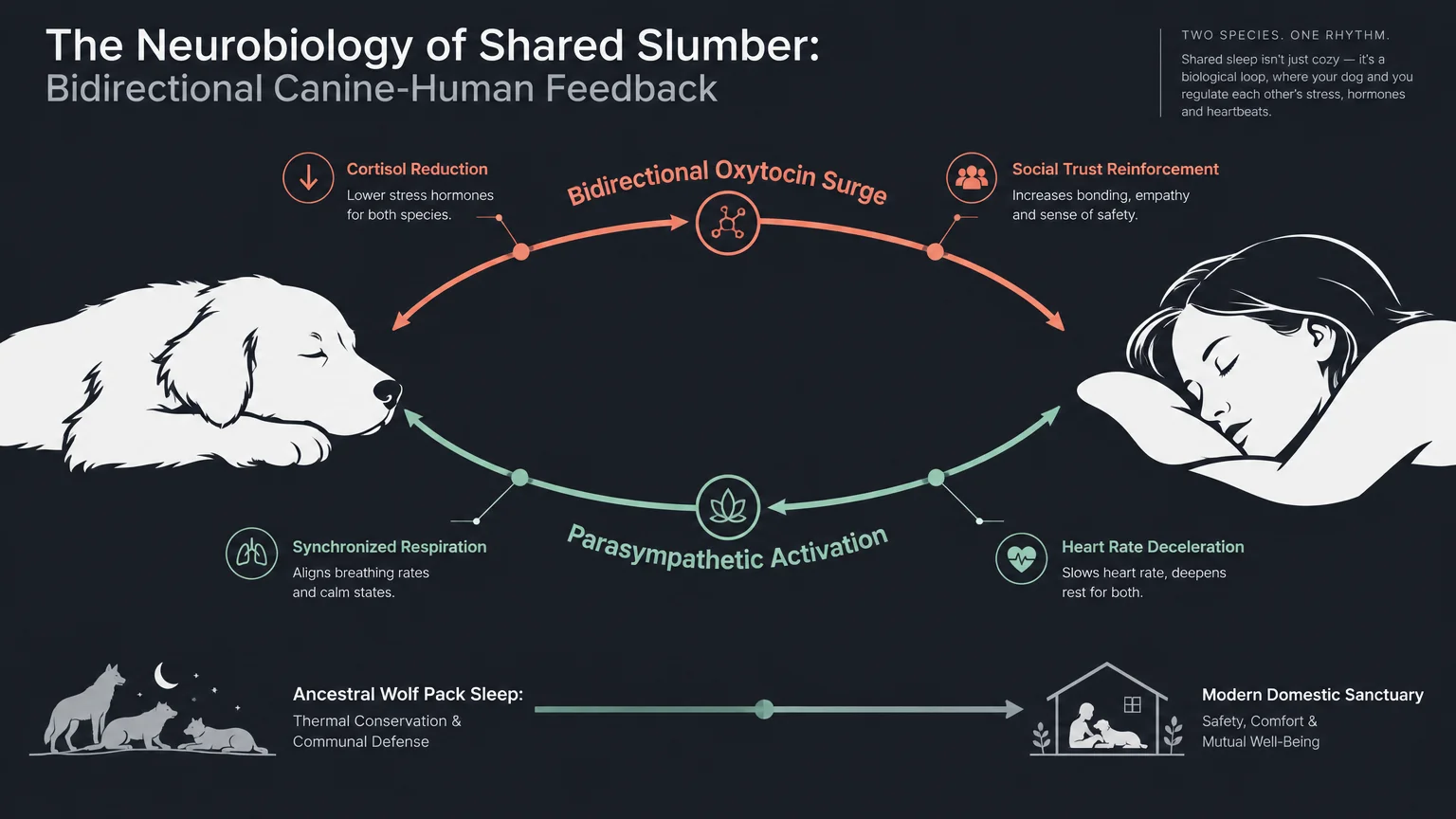
Canine nocturnal cuddling stems from an ancient evolutionary instinct known as contact sleeping. In ancestral wolf packs, sleeping piled together conserved metabolic heat and shielded vulnerable pack members from sudden environmental threats.
Modern domesticated canines retain this neurobiological blueprint, viewing their human family as an integrated social unit. When you invite your companion into bed, you fulfill their innate drive for communal safety.
Physical contact triggers a bidirectional release of oxytocin, frequently called the bonding hormone. Research published in Frontiers in Psychology highlights how this hormonal surge lowers cortisol levels in both dogs and their handlers.
This shared chemical shift promotes parasympathetic dominance; your nervous system slows alongside your dog’s rhythmic respiration. Consequently, nighttime snuggling serves as mutual physiological therapy rather than a mere behavioral quirk.
10 Affectionate Breeds Built for Nighttime Snuggles
1. Golden Retriever
Golden Retrievers consistently rank among the most socially affectionate dog breeds on earth. Breeders originally developed them to work cooperatively alongside hunters, cementing an eager desire to remain close.
At night, this cooperative drive translates into an urge to wedge their entire torso against your back or ribs. Their thick double coats emit significant warmth, transforming them into living heating blankets during colder seasons.
You will quickly observe that a Golden Retriever rarely respects physical boundaries while snoozing. Instead, they drape heavy heads across your ankles or tuck wet noses directly into your palm.
The American Kennel Club notes their hallmark gentleness and exceptional emotional sensitivity. This temperament ensures they settle into quiet, peaceful slumber once they make steady contact with your body.
2. Cavalier King Charles Spaniel
British royalty specifically bred Cavalier King Charles Spaniels as biological hot-water bottles for drafty castles and royal carriages. Their entire evolutionary history revolves around warming royal laps and soothing anxious minds.
These small dogs possess a natural affinity for soft pillows and warm down comforters. They instinctively maneuver toward your chest or neck, resting their chin directly upon your shoulder throughout the night.
Their silky ears and gentle weight create an immediate calming sensation for stressed sleepers. Because they rarely fidget once settled, you can enjoy uninterrupted slumber beside their compact frames.
If you step away from the bed for a glass of water, expect them to guard your warm spot immediately. They will gladly welcome you back under the covers the second you return.
3. French Bulldog
French Bulldogs possess an undeniable reputation as devoted companion animals who despise solitude. Their muscular, compact bodies generate remarkable radiant heat, making them persistent and dedicated bed-warmers.
A Frenchie typically seeks the bend of your knees or presses flat against your torso. They view bedtime as a team activity, rarely tolerating any gap between their fur and your skin.
Their brachycephalic facial structure produces gentle snores and soft wheezes that many pet owners find soothing. However, you should ensure your bedroom remains cool enough to prevent these compact dogs from overheating.
Their low grooming requirements and compact size make them physically ideal for smaller mattress configurations. You receive maximum physical affection without surrendering your entire sleeping surface.
4. Dachshund
Dachshunds exhibit an obsessive burrowing instinct that originates from their history as underground badger hunters. This innate hunting drive makes them extraordinary tunnelers beneath your blankets and sheets.
A Dachshund will methodically nose its way to the deepest foot of your bed, curling into a tight, warm crescent. You may only detect their presence by a tiny thermal lump against your calves.
Their elongated spines require careful nighttime management to prevent traumatic back injuries from sudden leaps. Consider providing a dedicated set of padded bedside ramps so they can access your mattress safely.
Despite their comical shape, Dachshunds show fierce loyalty and guard their shared sleeping territory with vigilance. They offer tremendous emotional security to anyone seeking a tenacious bedtime cuddler.
5. Great Dane
Great Danes rarely comprehend their colossal proportions; in their minds, they remain dainty lap dogs. This gentle giant will gladly commandeer more than half of a king-sized mattress if you permit it.
They prefer to sleep in direct physical contact, leaning hundreds of pounds of lean muscle against your legs. Their slow, deliberate breathing serves as a profound acoustic metronome that guides you toward deep slumber.
Research from veterinary orthopedic specialists demonstrates that giant breeds place immense strain on their joints over time. Sharing a supportive, high-density orthopedic mattress benefits both your back and your canine companion’s skeletal longevity.
If you do not mind sacrificing your personal space, a Great Dane provides incomparable safety and physical comfort. You will never experience a drafty evening with this magnificent giant sprawled beside you.
6. Italian Greyhound
Italian Greyhounds possess slender bones, minimal body fat, and an exceptionally thin, single-layer coat. Because they lose ambient body heat rapidly, they view your warm bed as an absolute biological necessity.
These graceful sighthounds actively dive under layers of fleece, seeking the hottest microclimate available. They wrap their long, delicate legs around your calves like velvet ribbons, remaining motionless until morning light.
Their sensitive nature means they startle easily if you shift suddenly during vivid dream cycles. Place an extra plush throw blanket at your feet so they have ample nesting material all night.
Their lack of natural insulation turns them into avid snugglers throughout every season of the year. If you appreciate clean, odorless, and whisper-quiet sleeping partners, an Italian Greyhound excels beyond measure.
7. Boxer
Boxers channel boundless energy during daylight hours, but they transform into motionless cuddle bugs once darkness falls. They form intense attachments to their human families, actively leaning into every available moment of physical contact.
A Boxer often prefers sleeping back-to-back with you, an ancestral canine posture that signals supreme comfort and mutual protection. Alternatively, they will sling a heavy, muscular paw squarely across your chest.
Their short coats mean they seek external warmth just like smaller breeds do. When temperatures drop, they press tightly into your side to soak up every degree of shared thermal energy.
Because Boxers can produce involuntary muscle twitches during deep REM cycles, ensure you secure ample mattress real estate. Their silly sleeping contortions will bring an immediate smile to your morning routine.
8. Bichon Frise
Dog fanciers bred Bichon Frises exclusively as joyful companions that thrive around human families. Their cheerful demeanor carries straight into the evening, where they transform into warm, hypoallergenic cotton puffs.
Bichons love to curl tightly against your stomach or curl behind your bent knees. Their soft, low-dander coat makes them exceptionally suitable for individuals who suffer from mild environmental sensitivities.
Unlike independent terrier breeds that wander the house at night, a Bichon prefers unbroken physical connection. They awaken with quiet enthusiasm, waiting patiently for you to stir before demanding breakfast.
Maintain consistent grooming and evening paw wipes to keep their white powder-puff coat clean for your bed linens. A clean Bichon makes one of the most delightful nighttime cuddle companions you can welcome.
9. Staffordshire Bull Terrier
Staffordshire Bull Terriers, colloquially celebrated as nanny dogs, crave emotional intimacy with their chosen humans. Beneath their muscular, athletic exterior lies an affectionate soul that prioritizes cozy duvet time above almost everything.
These dogs sleep with remarkable enthusiasm, often rolling onto their backs with all four paws pointed upward. They will nudge beneath your arm until you wrap them in a firm, protective embrace.
The Royal Veterinary College emphasizes that strong human attachment significantly enhances canine psychological resilience. Allowing your Staffordshire Bull Terrier to snuggle securely at night actively reduces separation anxiety and daytime stress.
Their dense, short coats retain radiant heat like a radiator, warming your bed during frigid winter nights. Their steadfast loyalty creates an unbreakable feeling of mutual devotion between owner and hound.
10. Labrador Retriever
Labrador Retrievers combine reliable devotion with an easygoing attitude that makes them beloved worldwide. Their affectionate temperament extends straight into the bedroom, where they happily establish their nightly sleeping station.
Labs frequently position themselves across your feet, acting as heavy thermal anchors that keep drafts at bay. This positioning allows them to monitor your movements without restricting your upper-body mobility.
When permitted, they gladly transition into full spooning posture, resting their broad muzzle over your shin. Their steady breathing provides natural acoustic reassurance that helps calm racing, bedtime thoughts.
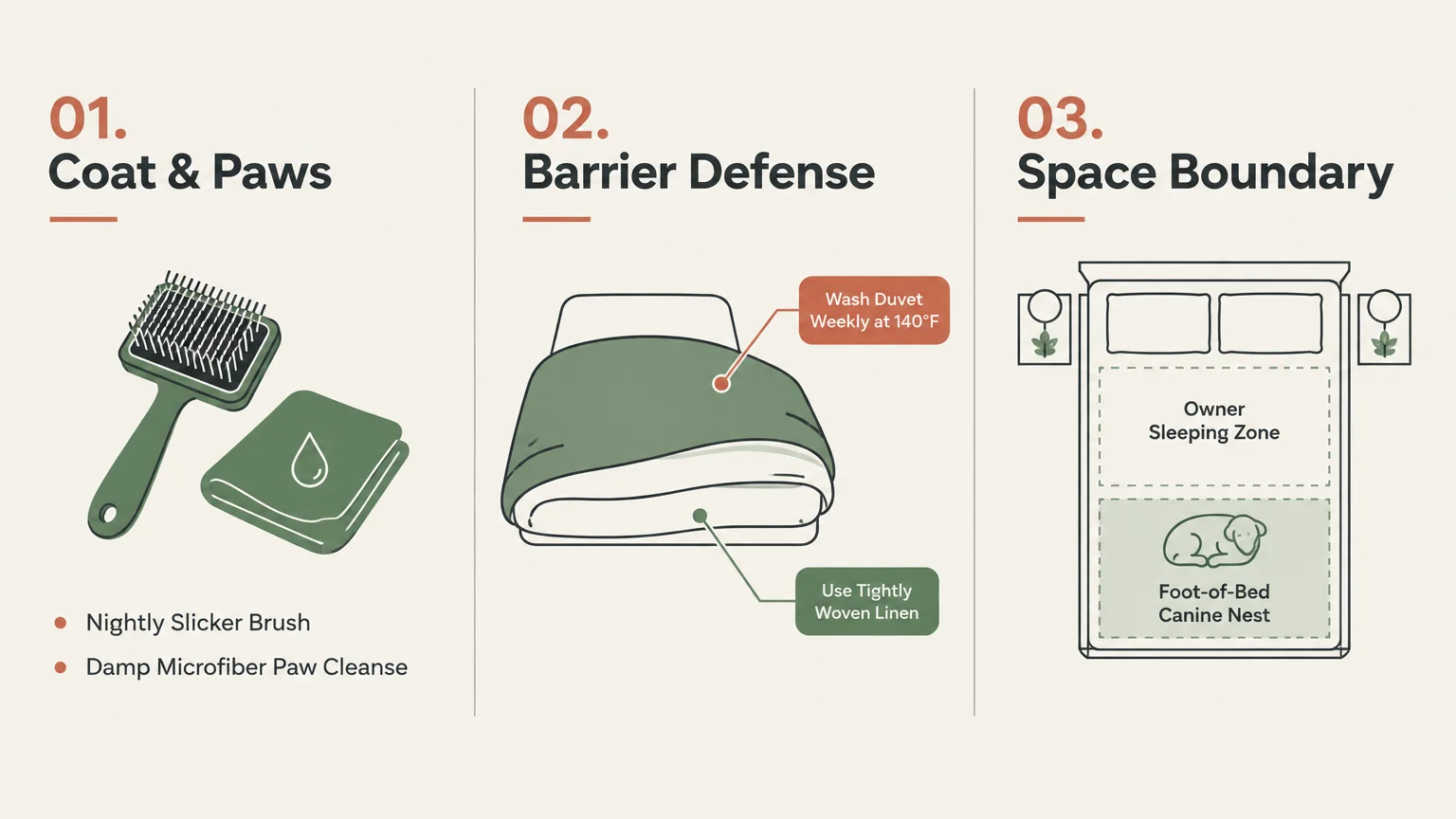
Because Labradors shed seasonally, brush their coats thoroughly before bedtime to minimize loose hair on your sheets. Their joyful, loyal companionship makes this minor maintenance task well worth the evening cuddles.
Health and Sleep Hygiene for Nighttime Cuddlers
Sharing your bed with an affectionate canine offers documented mental health perks, but it requires mindful sleep hygiene. A landmark study published by the Mayo Clinic Proceedings revealed that human sleep efficiency remains high with a dog present.
The researchers observed that keeping a canine companion in the bedroom maintained restful slumber without significant disruption. However, allowing multiple active dogs under the covers can trigger micro-arousals during your lighter sleep phases.
You should also evaluate zoonotic risks and airborne allergens before establishing a permanent co-sleeping routine. The Centers for Disease Control and Prevention recommends strict parasite prevention protocols for all pets sharing human beds.
Administer veterinarian-approved flea, tick, and deworming treatments on a rigid monthly schedule without exception. Wash your mattress covers, pillowcases, and duvet covers in hot water weekly to eradicate trapped dander.
Establish clear boundaries early if your pet displays resource guarding over pillows or blankets. Your bed must remain a peaceful, shared zone where both species rest without tension or behavioral friction.
For elderly dogs, provide non-slip bedroom carpets and ramps to preserve joint cartilage as they dismount. Mindful preparation transforms nighttime cuddling into a restorative ritual that enhances longevity for you and your companion.
Frequently Asked Questions
Does sleeping with your dog encourage dominant behavior?
No, contemporary veterinary behaviorists have thoroughly debunked the dominance theory regarding co-sleeping arrangements. Dogs seek physical elevation and human contact for warmth, security, and social affection rather than territorial dominance.
However, if your pet growls when you shift positions, address this resource guarding behavior promptly through positive reinforcement.
Can co-sleeping disrupt your natural sleep architecture?
It can cause brief micro-awakenings if your dog twitches during dreams or repositions frequently throughout the night. If you awaken feeling fatigued, consider placing an orthopedic dog bed directly alongside your mattress instead.
At what age can a puppy safely sleep in your bed?
Wait until your puppy demonstrates complete bladder control and masters basic crate training before opening your bed. Introducing the mattress too early can delay housetraining success and risk accidental falls for fragile toy breeds.
How can you maintain bedroom hygiene when sharing a mattress?
Wipe your dog’s paws with pet-safe wipes after evening walks to remove soil, pollen, and debris. Use a waterproof, allergen-blocking mattress encasement underneath your sheets to preserve mattress cleanliness over the years.
Nurturing the Bond
The simple act of snuggling beside your dog bridges millennia of evolutionary partnership between two distinct species. In that quiet nocturnal stillness, you exchange stress for tranquil grounding and steady, reciprocal warmth.
Cherish these peaceful hours as profound investments in your dog’s emotional resilience and your own mental peace. By respecting their physical needs and practicing sound sleep hygiene, you cultivate a sanctuary of mutual trust.