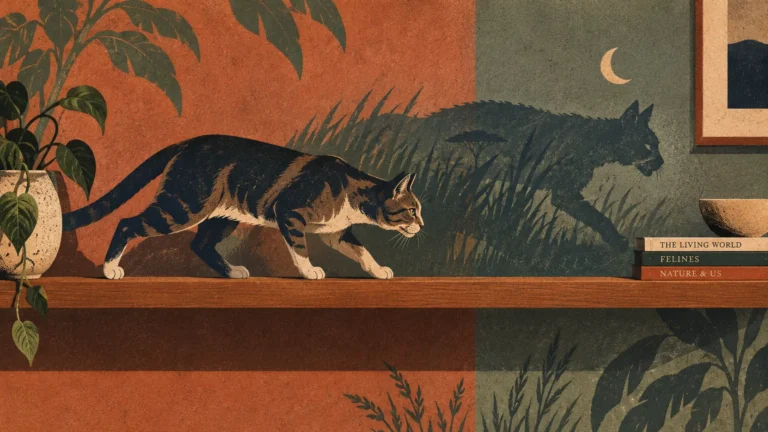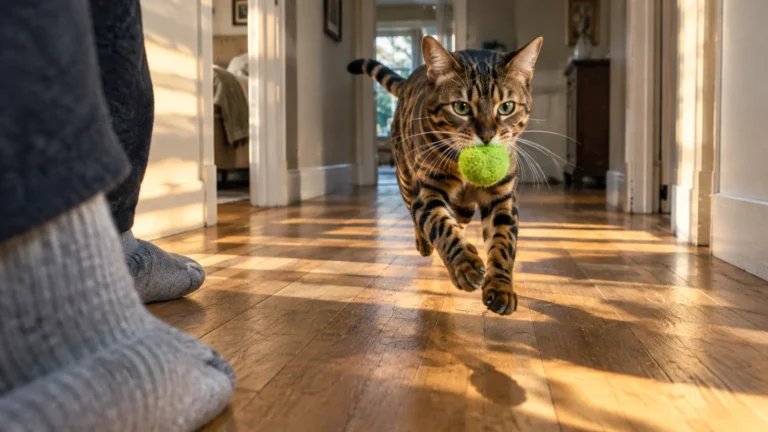
You can easily protect your furniture while honoring your cat’s instinctual drive to groom claws and establish territory. Naturally active breeds scratch far more vigorously than quiet cats because their athletic frames and curious minds crave physical stimulation.
Clawing provides an emotional release valve, a full-body yoga stretch, and an essential scent-marking ritual rolled into one instinctive daily motion.
By pairing your cat’s active personality with the right textures and sturdy posts, you protect valuable home furnishings and strengthen your daily relationship.
Why Active Breeds Scratch With Extra Enthusiasm
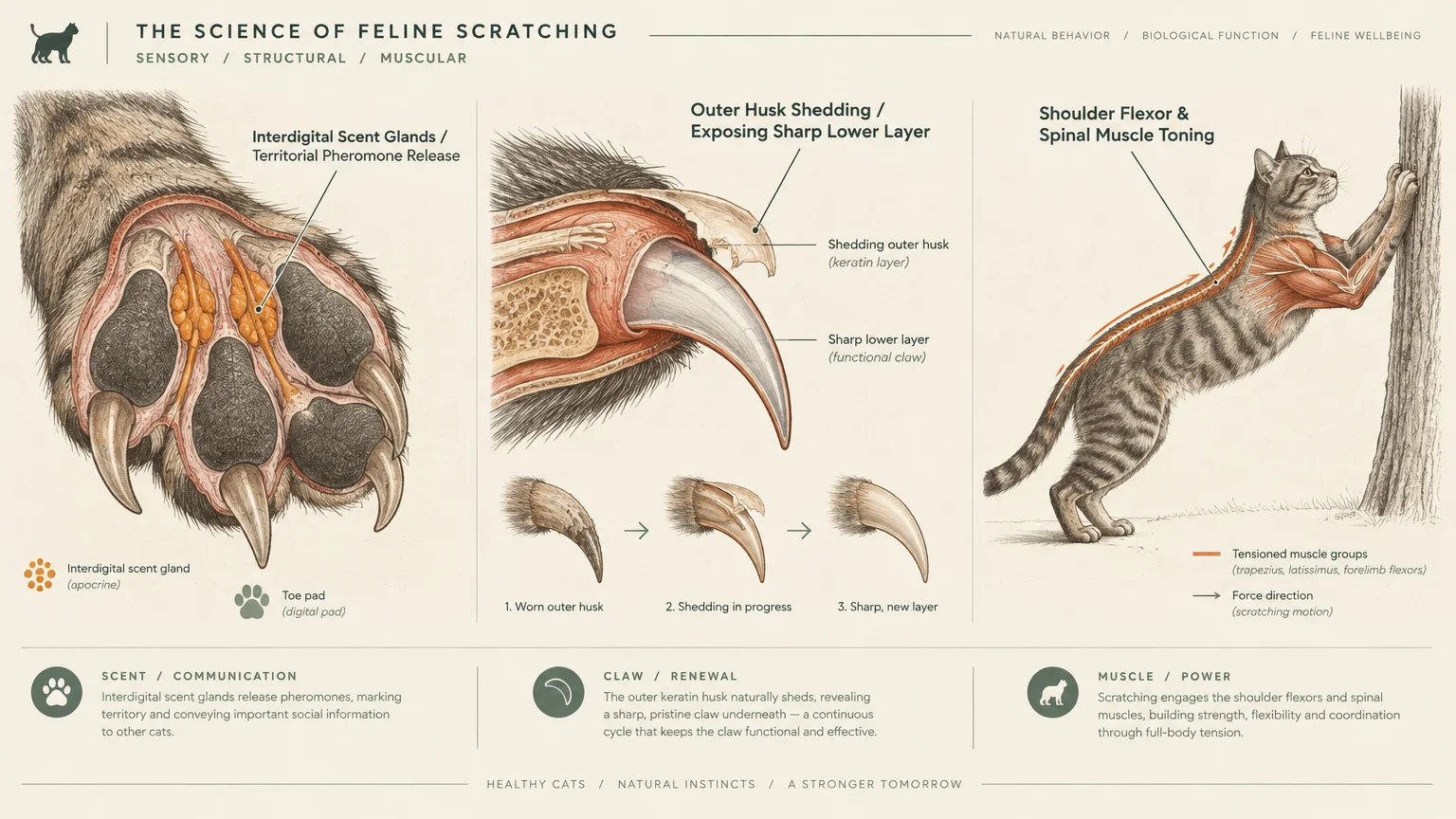
Cats possess scent glands between their toe pads that release distinct interdigital pheromones during every clawing session. This biological mechanism turns every scratching surface into an olfactory billboard announcing your pet’s presence.
The physical act also strips away dead outer claw sheaths to expose sharp, healthy layers underneath. According to the Cornell Feline Health Center, scratching tones feline shoulder flexors and spinal muscles.
High-energy cats experience surges of adrenaline during play and patrol routines throughout your living space. When these dynamic breeds feel excited or frustrated, they instinctively seek tactile resistance to vent excess vitality.
Sedentary cats may scratch occasionally, but athletic felines use vertical surfaces as physical training stations. Your goal involves redirecting this healthy enthusiasm toward durable structures rather than suppressing natural behavior.
Ten Cat Breeds That Love to Scratch
1. The Bengal
Bengals inherit intense athletic drives and boundless curiosity from their Asian leopard cat ancestry. They crave vigorous vertical stretches and will attack your woodwork if you fail to provide tall, heavy sisal towers.
Provide floor-to-ceiling climbing poles anchored firmly to wall studs for your Bengal. These wild-looking athletes need stable vertical surfaces that do not wobble under sudden, explosive leaps.
2. The Siamese
Siamese cats express their big feelings through loud vocalizations and energetic scratching sessions. When a Siamese feels social excitement or seeks your attention, clawing sturdy posts becomes an immediate communication tool.
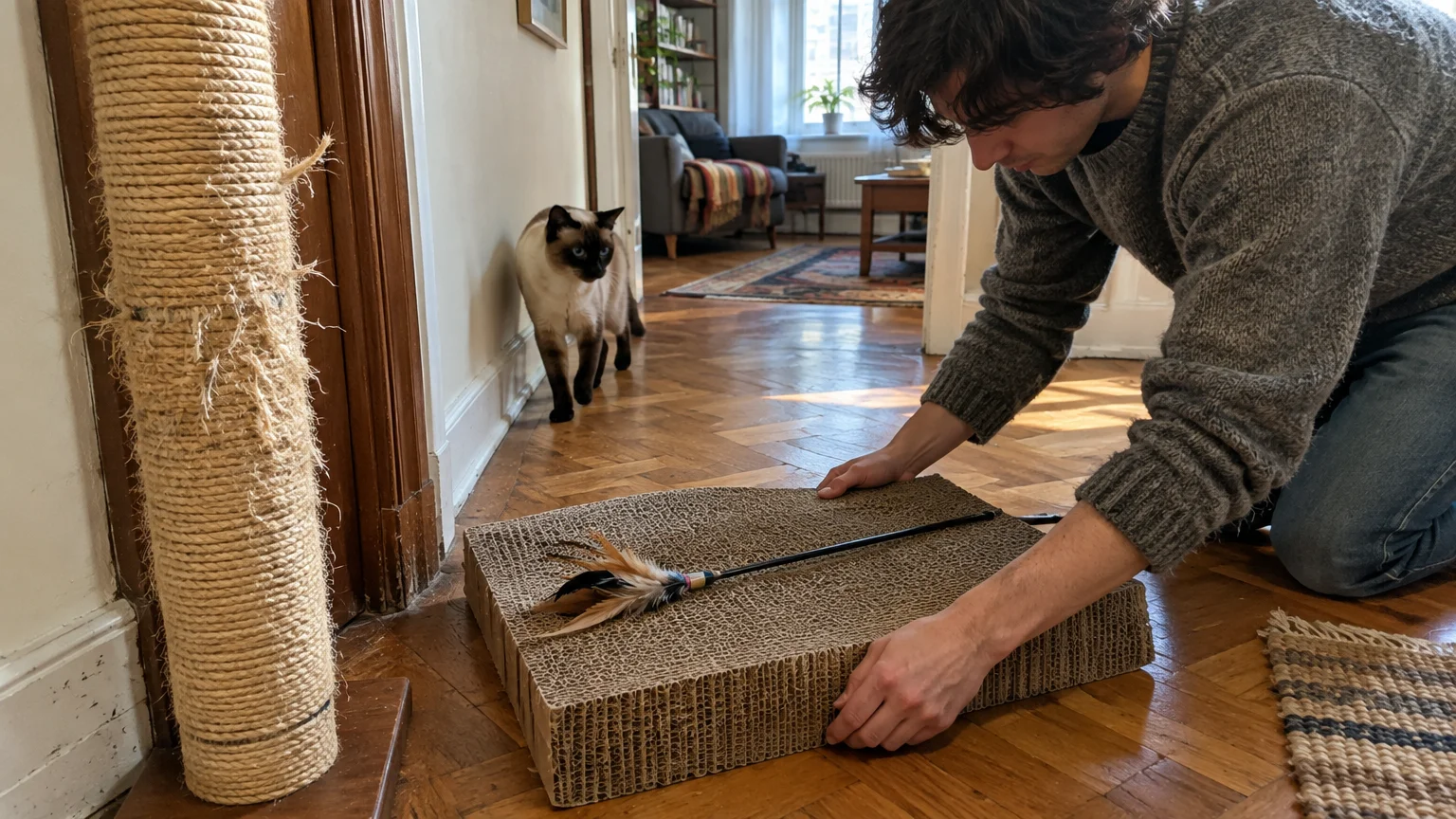
Place dense cardboard flat scratchers near common gathering spaces where your Siamese loves to chat. You will satisfy their social marking habits while preserving nearby rugs and upholstered chairs.
3. The Maine Coon
As one of the largest domestic breeds, the Maine Coon requires monumental scratching equipment to match its frame. These gentle giants stretch their long spines fully against heavy posts to shed claw husks effectively.
Standard scratching posts topple easily under a twenty-pound Maine Coon; choose solid wood posts wrapped in extra-thick unoiled sisal rope. Massive horizontal scratching ramps also provide excellent spinal alignment for these heavy cats.
4. The Abyssinian
Abyssinians constantly explore their vertical environment with boundless energy and sharp intelligence. Known as the gymnasts of the cat fancy, they frequently scratch posts as launchpads during high-speed games of chase.
Install wall-mounted sisal boards along your Abyssinian’s favorite running corridors. This setup accommodates their airborne play style while redirecting claws away from fragile drywall and wooden door jambs.
5. The Savannah
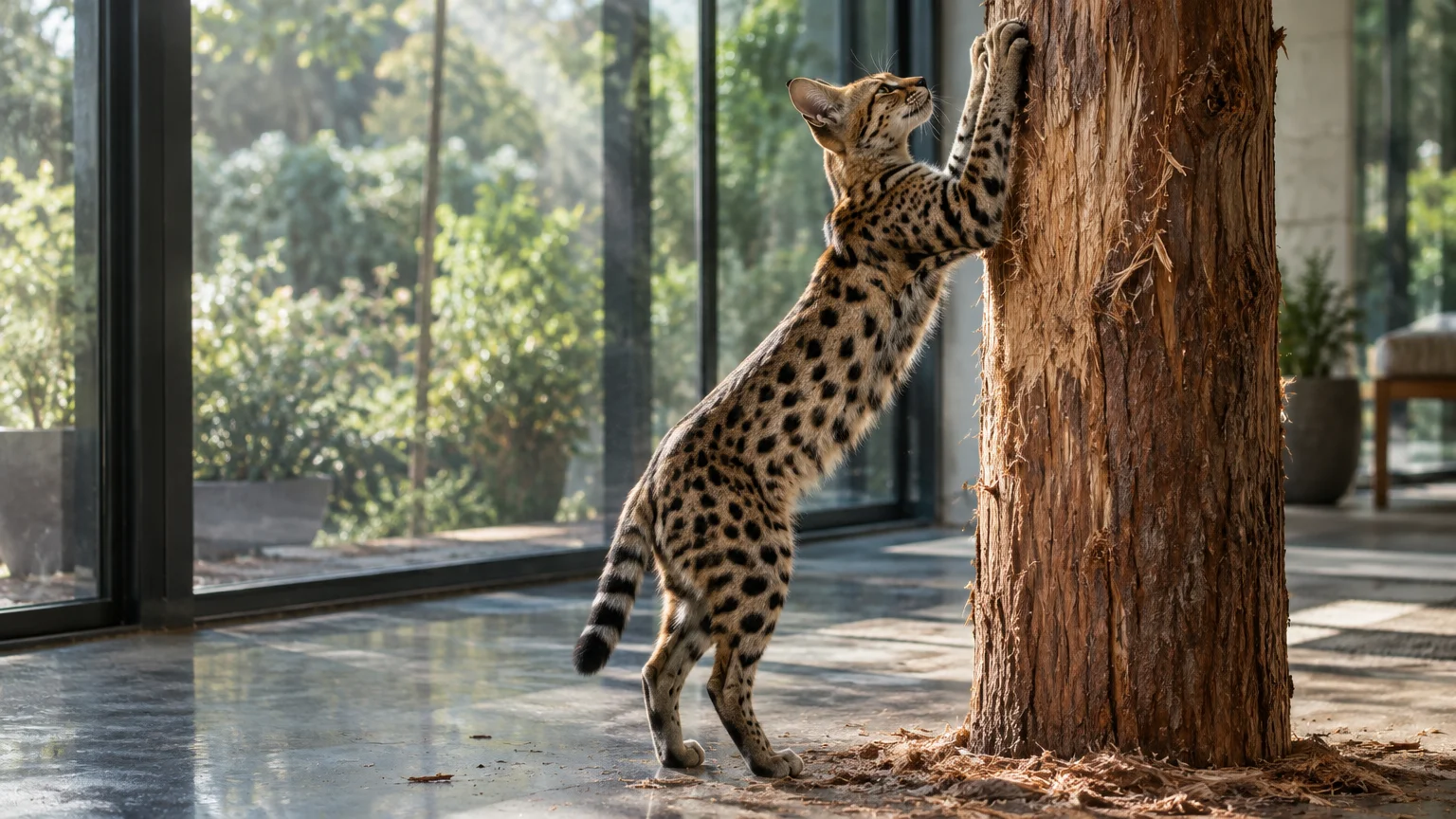
Savannah cats combine extraordinary jumping ability with high territorial awareness. Because this hybrid breed retains strong wild instincts, they mark vertical boundaries with deliberate, powerful clawing displays.
Select natural bark-covered logs or ultra-heavy sisal columns designed for large exotic animals. Savannahs quickly shred standard commercial cardboard scratchers into confetti within a single afternoon of intense play.
6. The Oriental Shorthair
Sleek and demanding, the Oriental Shorthair craves constant interaction and tactile enrichment. They often engage in manic scratching bouts when greeting you at the doorway after a long workday.
Position angled scratching wedges beside your entryways to capture this ritual greeting behavior immediately. Their slender bodies love digging claws into woven carpet surfaces that offer moderate resistance.
7. The Burmese
Burmese cats retain kitten-like playfulness well into their adult and senior years. They display fearless affection and frequently jump onto furniture, using their front claws to pull themselves forward playfully.
Offer textured scratching mats made of woven seagrass or jute across your living room floor. Burmese cats enjoy wrestling these flat pads while rolling on their backs in joyful abandon.
8. The Sphynx
Without a protective coat, Sphynx cats possess elevated metabolisms that drive high caloric intake and restless energy. They use scratching to warm their muscular bodies and shed oil buildup from their claw beds.
Inspect and gently clean your Sphynx’s nail beds weekly with pet-safe wipes to prevent sebaceous wax accumulation. Provide soft cardboard loungers that double as thermal beds and satisfying scratching substrates.
9. The Siberian
Hailing from harsh subarctic climates, Siberians boast powerful hindquarters and heavy, muscular shoulders. They love gripping rough vertical surfaces with immense force during full-body morning stretches.
Incorporate rustic cedar posts or rugged sisal pillars into your living room aesthetic. Siberians appreciate heavy-duty textures that can withstand their substantial body weight and determined claw pressure.
10. The Cornish Rex
The curly-coated Cornish Rex behaves like an acrobatic athlete packed into a lithe, greyhound-like frame. They dart across rooms at high speeds, often braking by digging their claws firmly into whatever surface sits nearby.
Strategically position compact scratching posts at carpet transition zones to provide safe stopping pads. These agile cats love lightweight corrugated cardboard boxes with built-in scratching floors.
Daily Playbook for High-Energy Scratchers
Caring for an active breed requires structured routines that satisfy your companion’s physical drives before frustration develops. A balanced daily schedule prevents destructive behaviors by providing constructive outlets for natural instincts.
Nutrition and Physical Conditioning
Active cats require high-protein, meat-first diets to support lean muscle development and steady metabolic rates. Feed measured meals on a consistent schedule rather than leaving dry food out all day.
Introduce puzzle feeders that make your cat work physically for kibble or freeze-dried treats. Foraging toys simulate hunting sequences, burning mental energy that might otherwise target your living room sofa.
Engage your pet in two ten-minute sessions of vigorous interactive wand play each day. Let your cat chase, leap, and ultimately capture the toy to satisfy its predatory cycle completely.
Environmental Enrichment and Texture Variety
Cats possess distinct personal preferences regarding scratching angles and tactile textures. Some felines demand strictly vertical surfaces, while others prefer horizontal floor mats or forty-five-degree inclined ramps.
Offer a diverse texture buffet featuring woven sisal, corrugated cardboard, natural wood bark, and rough carpet. Watch which material your pet visits most frequently and place that substrate near sleeping areas.
Cats instinctively scratch immediately upon waking to stretch their spines and activate circulation. Placing a post within three feet of your cat’s favorite bed protects nearby furniture effortlessly.
Socialization and Energy Outlets
Scratching often increases when cats experience sudden changes in household dynamics or social competition. Providing ample individual territory helps reduce anxiety and the territorial marking that follows.
Create elevated pathways using secure cat shelves, window perches, and tall climbing towers throughout your home. Vertical highways allow active cats to navigate rooms peacefully without territorial squabbles over floor space.
Step-by-Step Scratching Redirection and Training
You should never punish a cat for scratching; clawing is an essential biological necessity rather than malicious misbehavior. Punitive methods like spray bottles or shouting only create fear and damage the human-animal bond.
Instead, follow proven positive reinforcement techniques endorsed by organizations like the ASPCA. You can successfully guide your cat toward appropriate scratching equipment through patient consistency.
Step 1: Placement and Proximity
Identify the exact piece of furniture your cat currently targets, such as the corner of your couch. Place an attractive, sturdy scratching post directly in front of that contested spot.
Make the target furniture temporarily unappealing by applying smooth plastic guards or pet-safe double-sided tape. Cats dislike smooth, sticky textures and will quickly seek out the rough sisal standing nearby.
Step 2: Scent and Reward Attraction
Rub organic catnip or aromatic silvervine powder directly into the fibers of the new scratching post. The scent attracts your curious pet and stimulates enthusiastic exploratory sniffing and rubbing.
Whenever your cat paws the post, immediately reward the behavior with praise and a favorite high-value treat. Consistent positive reinforcement teaches your companion that scratching the post produces wonderful outcomes.
Step 3: Gradual Relocation
Once your cat reliably uses the new post every day, you can slowly move it toward your preferred location. Shift the post only a few inches each day so your cat continues using it habituatively.
Maintain this slow migration until the post rests in your desired corner while the furniture remains completely untouched. Patience during this transition phase guarantees lasting behavioral success for months and years ahead.
Humane Claw Care vs. Declawing
Regular claw trims form the cornerstone of peaceful coexistence with active, energetic breeds. Trim only the translucent sharp tips every two to three weeks using ergonomic feline claw clippers.
Avoid declawing entirely; modern veterinary consensus recognizes declawing as an amputation of the cat’s toe bones. Major animal welfare groups, including The Humane Society of the United States, strongly oppose this painful and medically unnecessary procedure.
Declawed cats often develop chronic neuropathic pain, litter box avoidance, and increased biting behaviors. Routine nail trims combined with plentiful scratching surfaces provide a humane, effective alternative for every household.
Community Support and Veterinary Resources
If destructive scratching persists despite your best environmental modifications, professional assistance can provide customized solutions. Complex behavioral challenges often stem from underlying environmental stressors or undetected physical discomfort.
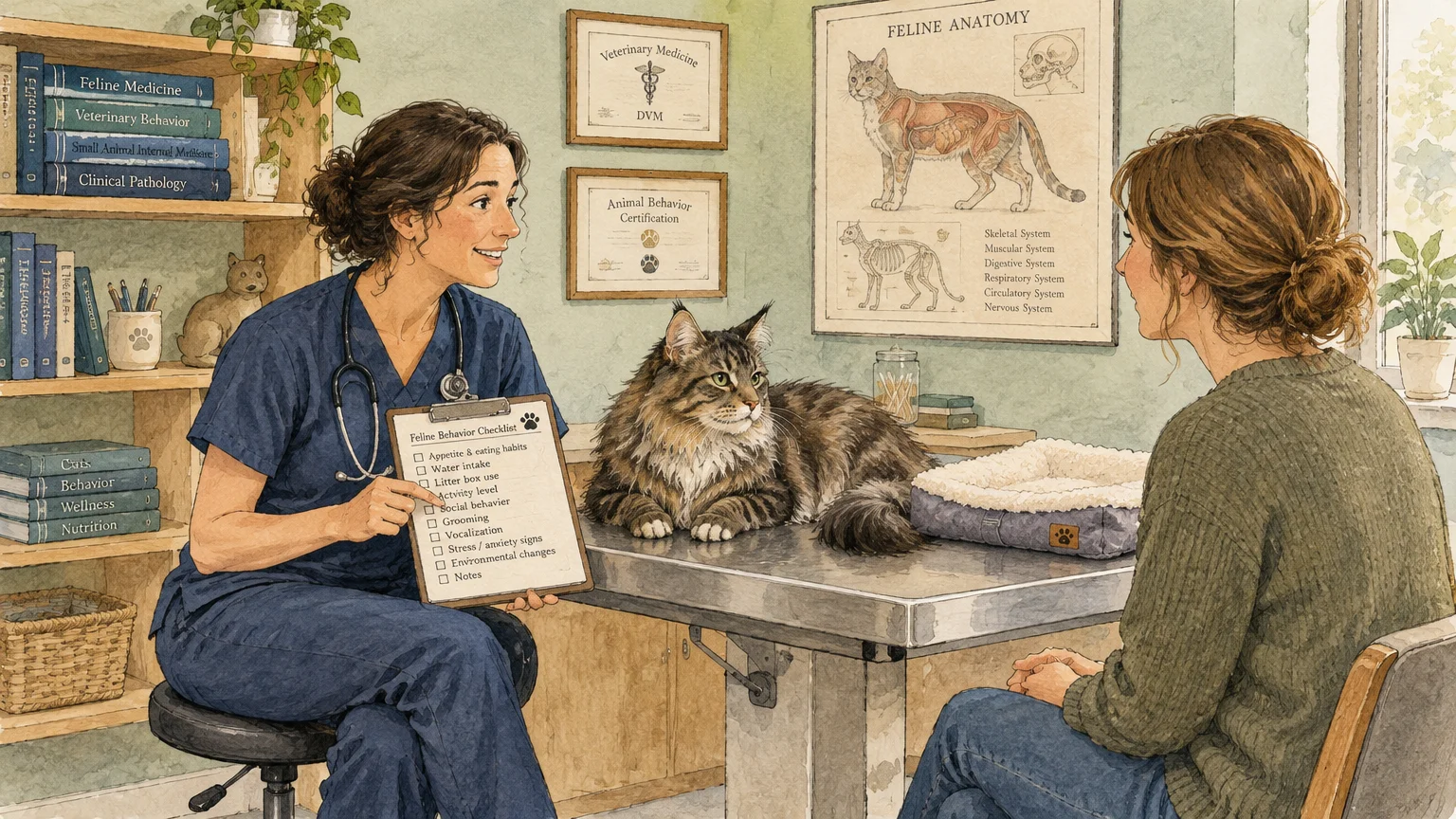
Consult a certified feline behavior consultant through the International Association of Animal Behavior Consultants for tailored guidance. These credentialed professionals evaluate your living environment and develop compassionate management strategies.
Schedule a routine wellness exam with your veterinarian to rule out arthritis, nail bed infections, or systemic tension. Many modern clinics now offer convenient telehealth consultations to assess your home setup virtually without stressful travel.
Local feline rescue organizations and humane societies also host behavioral advice lines and educational workshops. Connecting with fellow pet parents helps you discover innovative enrichment ideas while supporting local animal welfare initiatives.
Frequently Asked Questions
How can I protect furniture from claws when traveling with my cat?
Pack portable cardboard scratchers infused with familiar home scents inside your travel carrier. Set up these disposable scratching stations immediately upon arriving at your temporary hotel room or vacation rental.
Bring temporary self-adhesive furniture wraps to shield rental upholstery during your stay. Keeping your cat’s nails freshly trimmed before departure minimizes accidental snagging on unfamiliar carpets and curtains.
Why does scratching intensify when introducing a new pet to the household?
Scratching deposits territorial pheromones that reassure resident cats during periods of household change and social uncertainty. An influx of unfamiliar animal scents prompts felines to refresh their visual and olfactory boundary markers.
Provide duplicate scratching stations throughout your home so pets never need to compete over territory. Position posts in neutral zones where neither animal can easily corner or ambush the other.
How can I provide durable scratchers on a limited budget?
You can easily build cost-effective scratchers using scrap untreated cedar planks wrapped tightly in natural sisal rope. Hardware stores frequently sell heavy cardboard carpet rolls that make exceptional scratching pillars when cut down.
Reversible cardboard scratchers offer double the surface area for half the long-term investment. Flip inserts over when worn, and sprinkle fresh catnip into the corrugation to renew your pet’s interest.
What claw care supplies belong in a pet emergency evacuation kit?
Pack a dedicated set of feline nail clippers alongside styptic powder to stop bleeding if a claw tears during evacuation. Sturdy leather handling gloves protect your hands if your frightened cat struggles during transit.
Include a compact roll of self-adhesive cohesive bandage wrap and antiseptic feline wound spray. Having these basic supplies on hand ensures you can treat cracked or damaged nails swiftly during an unexpected crisis.
Try a New Bonding Ritual Tonight
Scratching connects your cat to its ancient wild heritage through healthy exercise, emotional release, and boundary maintenance. When you celebrate this biological instinct rather than fighting it, your household transforms into a feline sanctuary.
Grab an interactive feather toy tonight and guide your energetic cat toward its favorite scratching post. When your companion digs in and stretches with pure joy, reward that magnificent feline energy with gentle affection.