Your cat talks to you constantly, using a specialized vocal dialect reserved almost exclusively for humans. Decoding these meows, purrs, and tail flicks allows you to meet their daily needs and deepen your bond.
Whether your companion demands breakfast at dawn or chirps softly from across the rug, every sound carries clear intent. Animal behaviorists confirm that tuning into these subtle vocalizations resolves litter box issues, reduces anxiety, and builds trust.
Learn to decipher your feline friend’s rich language to build a peaceful, cooperative home together.
The Cat Vocal Lexicon: Decoding Common Sounds
Cats rarely meow at other felines after kittenhood. They developed this unique acoustic bridge specifically to influence human behavior.
Research published by the Cornell Feline Health Center confirms that cats modify their vocal pitch based on how their human caregivers respond.
The Short, Friendly Greeting
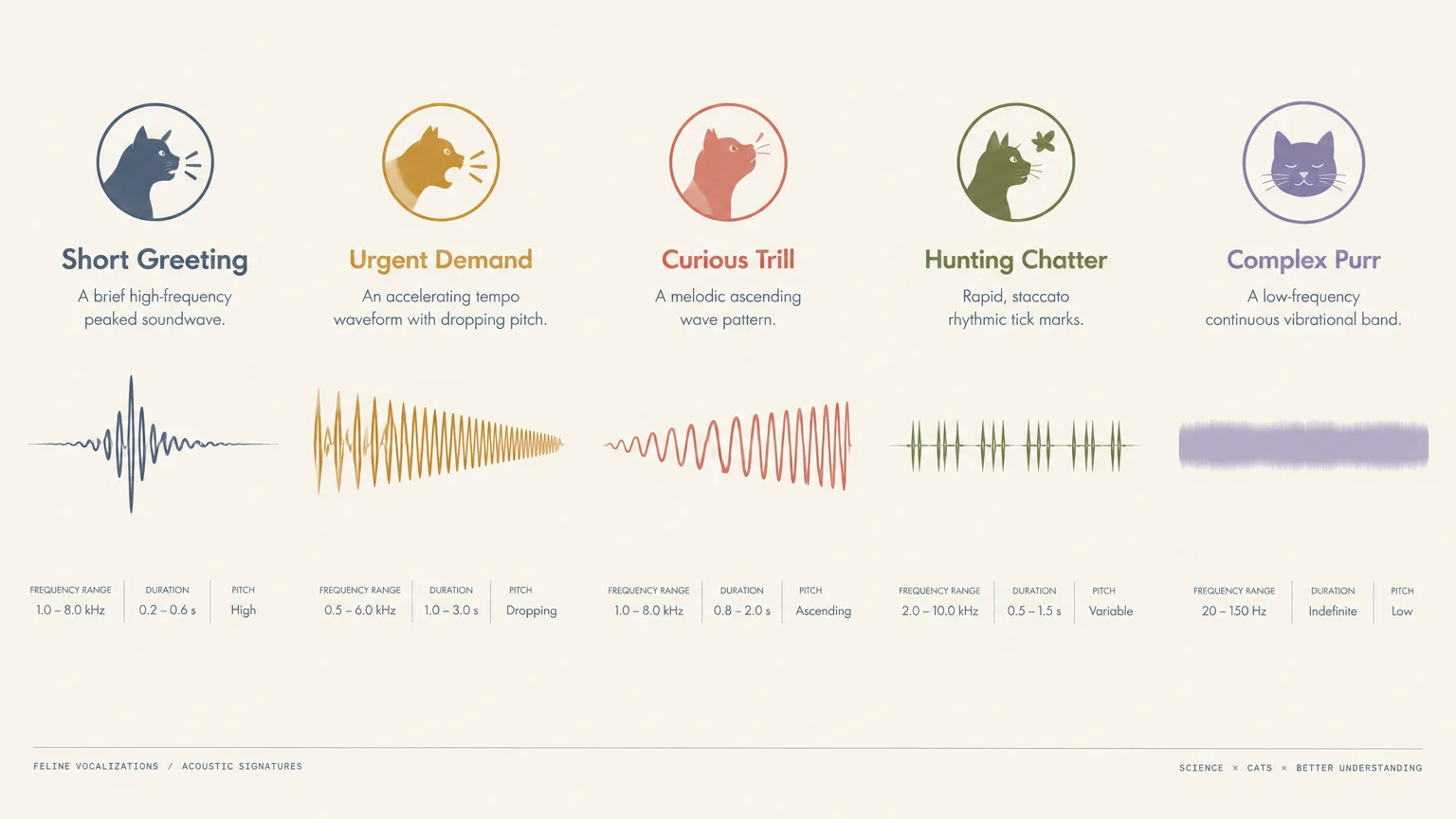
A brief, cheerful chirp or high-pitched meow acts as your cat’s casual greeting. You typically hear this bright sound when you walk through the front door.
Answer your cat with a warm, gentle voice to reinforce positive attachment. This simple acknowledgment assures your pet that you recognize their presence.
The Urgent Demand Call
When your companion demands breakfast immediately, their vocal pitch drops and the acoustic tempo quickens. This persistent cadence actually mimics an infant’s distress cry, activating human caregiving instincts.
Keep meal times consistent to soothe this demanding behavior. Predictable feeding schedules reduce anticipatory anxiety and silence frantic kitchen howling.
The Curious Trill and Chirrup
Mother cats use gentle trills to direct their kittens forward. When your adult cat trills at you, they express cheerful excitement and request companionship.
Follow your cat when they trill and trot away; they usually want to guide you toward a toy or a sunny resting perch.
The Frustrated Hunting Chatter
You likely hear rapid jaw clicking when your cat spots birds through a windowpane. Behaviorists attribute this chattering sound to intense predatory arousal mixed with mild barrier frustration.
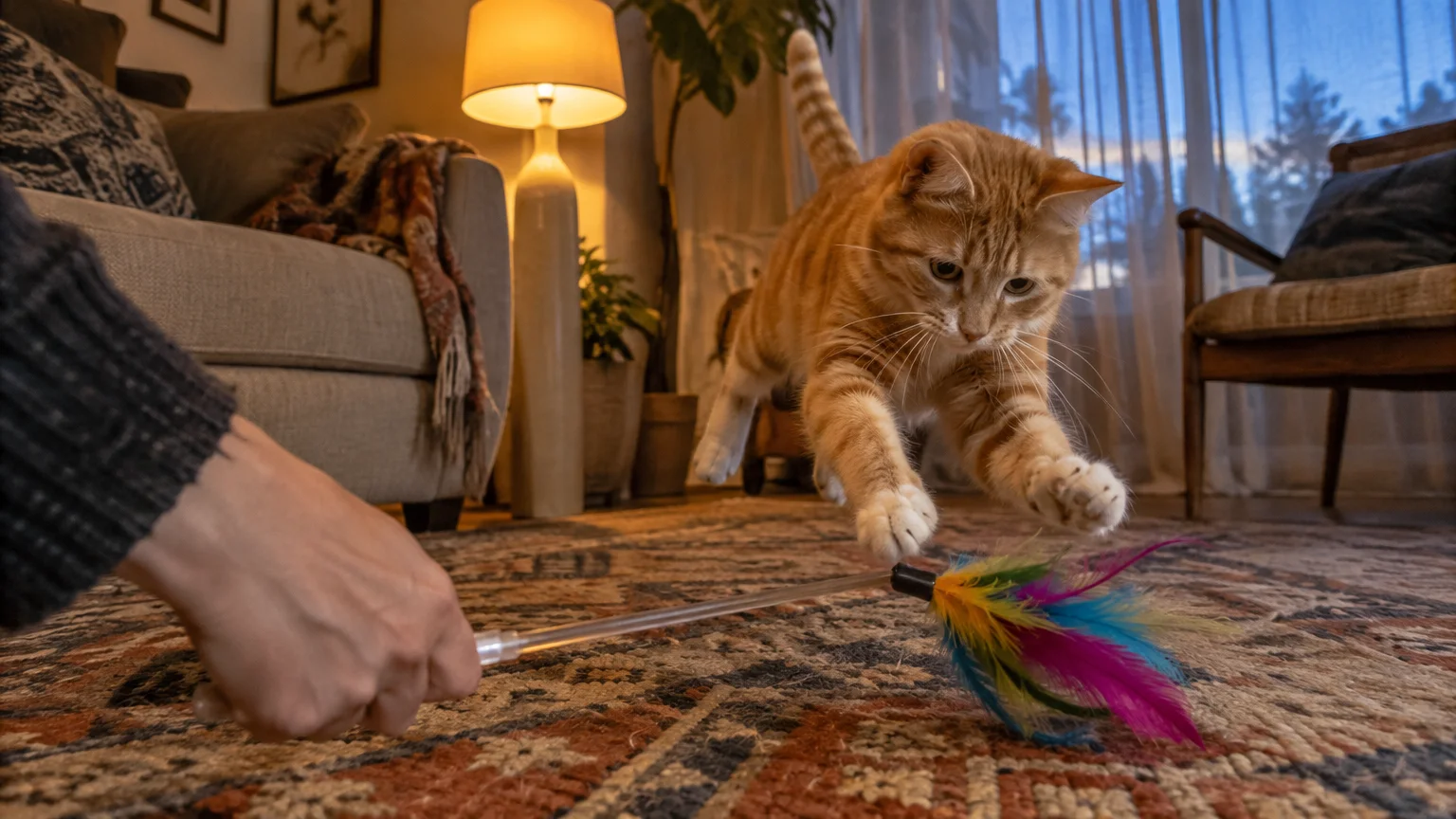
Offer a feather wand toy immediately after a window-watching session. This active play allows your hunter to complete their natural predatory sequence with a physical catch.
The Complex Purr
While purring usually signals supreme comfort, cats also purr during illness or extreme fear. Low-frequency vibrational hums release soothing endorphins that relieve pain and accelerate physical tissue healing.
Observe surrounding body language to interpret the true context of every purr. A tense posture or lowered head means your cat seeks comfort during physical distress.
The Warning Growl and Hiss
Hissing functions as an involuntary defensive reflex rather than deliberate malice. Your cat issues this urgent warning to establish immediate distance and prevent physical conflict.
Back away immediately whenever you hear a hiss or low growl. Giving your companion breathing room prevents defensive strikes and restores trust.
Whole-Body Dialects: Reading Postures, Tails, and Eyes
Vocal sounds tell only half the story during daily interactions. Your companion relies heavily on silent physical cues to express their immediate emotional state.
Clinical guidelines from Cat Friendly Homes emphasize that reading full-body posture prevents misinterpreting feline vocal messages.
The Communicative Tail
An upright tail with a soft curve at the tip signals open friendliness and security. Approach freely when your pet greets you with this cheerful question-mark silhouette.
A rapidly twitching or thumping tail warns of sensory overstimulation or rising annoyance. Stop petting sessions the moment the tail begins sweeping in broad, jerky strokes.
When a cat tucks their tail tightly against their flank, fear dominates their mind. Provide quiet space so they can regain a sense of domestic security.
Ear and Whisker Alignment
Forward-facing ears and relaxed whiskers reflect relaxed curiosity and contentment. Your pet feels completely safe in their immediate physical surroundings.
Flattened ears rotated outward—often called airplane ears—indicate defensive fear. Step back and remove whatever sudden stressor caused this protective posture shift.
Whiskers pulled back flat against the cheeks convey caution or protective dread. Watch these fine facial movements to intercept stress before vocal protests begin.
The Power of Soft Eyes
A direct, unblinking stare conveys a territorial challenge or intense surveillance in feline etiquette. Soften your gaze when looking at your pet to project peaceful intentions.
The famous slow blink acts as the ultimate feline declaration of affection and safety. Return the gesture by closing your eyes halfway for two relaxed seconds.
Pet Profiles: Communication Across Life Stages and Breeds
Every life stage brings distinct communicative patterns and care priorities. Tailoring your daily responses ensures your pet feels understood throughout their life.
Playful Kittens
Young kittens vocalize frequently to locate littermates and solicit maternal care. They test communicative boundaries with high-volume squeaks and clumsy pounces during early developmental stages.
Direct their boisterous vocal energy toward interactive teaser toys. Never punish a noisy kitten; provide engaging physical outlets instead.
Settled Adults
Mature cats develop refined shorthand routines with their primary human partners. They vocalize strategically around established meal routines, playtimes, and quiet evening cuddles.
Monitor adult cats for abrupt changes in their vocal baseline. A quiet cat that suddenly yowls may suffer from dental pain, urinary inflammation, or systemic distress.
Wise Seniors
Older felines often wander during the night while letting out deep, disoriented yowls. Age-related hearing loss, hypertension, or feline cognitive dysfunction frequently trigger this nocturnal confusion.
Install soft nightlights in dark hallways and keep resting cushions easily accessible. Regular veterinary examinations help manage chronic discomfort that triggers senior distress vocalizations.
Vocal and Quiet Breeds
Siamese, Oriental Shorthairs, and Bengals maintain legendary conversational reputations. These active breeds demand sustained human interaction and vocalize constantly throughout the day.
Breeds like the British Shorthair and Russian Blue express needs with subtle body gestures. Match your home environment and personal temperament to these diverse breed traits.
The Daily Playbook: Routines for Enrichment and Calm Communication
Consistent daily routines build confidence and drastically reduce frantic vocal demands. When your cat understands the daily schedule, nuisance meowing virtually disappears.
Nutritional Routines
Structure meal times around predictable intervals rather than free-feeding dry kibble all day. Predictable schedules support metabolic health and create structured daily touchpoints.
Use food puzzle toys to extend eating time and stimulate natural foraging behaviors. Working for meals channels hunting energy that otherwise fuels persistent vocal begging.
Targeted Physical Exercise
Schedule two ten-minute play sessions every single day using wand-style toys. Mimic the erratic movements of real prey by darting the lure behind furniture.
Conclude high-intensity hunting sessions with a protein-rich treat. This final bite completes the natural predatory sequence and triggers peaceful post-hunt grooming.
Mental Enrichment and Vertical Space
Cats view territory in three dimensions, requiring vertical elevation to feel secure. Install sturdy wall shelves or tall cat trees overlooking dynamic household areas.
Place window perches near bird feeders to provide stimulating outdoor viewing. Safe visual enrichment keeps your cat entertained while preventing bored vocal outbursts.
Rest and Social Downtime
Respect your cat’s natural resting cycles throughout the morning and mid-afternoon hours. Cats require twelve to sixteen hours of quiet sleep every single day.
Create cozy, covered sleeping caves in low-traffic rooms. A secluded sanctuary prevents environmental overstimulation and calms anxious communicators.
Training and Communication: Practical Problem Solving
You can shape feline vocal habits without relying on physical corrections or harsh tones. Reward desired behaviors and tactfully redirect frustrating vocal outbursts.
Extinguishing Dawn Wake-Up Calls
Cats yowl at bedroom doors because human reactions instantly reward the noise. Even getting out of bed to scold your pet teaches them that meowing yields attention.
Ignore dawn vocal demands completely by staying still beneath your blankets. Your pet will gradually abandon the habit once the social reward disappears.
Set an automated feeder to dispense breakfast before your cat begins vocalizing. This simple device shifts their focus away from your bedroom door.
Reinforcing Calm Silence
Catch your pet being quiet and reward that calm state immediately. Offer a tasty morsel whenever they wait patiently by their food bowl without crying.
Pair quiet moments with soft verbal praise and gentle cheek scratches. Positive reinforcement strengthens calm habits far faster than frustration.
Clicker Training Basics
Clicker training sharpens communication by pairing a distinct sound with immediate rewards. The clear acoustic signal tells your pet exactly which behavior earned the prize.
Teach your cat to sit politely before dinner using quick clicker repetitions. Mental focus tires your cat faster than vigorous physical running.
Addressing Sudden Vocal Spikes
Never assume that sudden, frantic howling represents mere pet defiance or stubbornness. A sudden increase in vocal distress warrants an immediate veterinary exam.
Resources from The Humane Society of the United States warn that sudden behavioral shifts frequently mask hidden physical pain. Schedule a medical evaluation before initiating any behavioral modification protocol.
Community Care and Professional Support Networks
You do not need to navigate complex behavioral challenges alone. A growing network of certified professionals and welfare organizations offers accessible guidance.
Veterinary Behaviorists
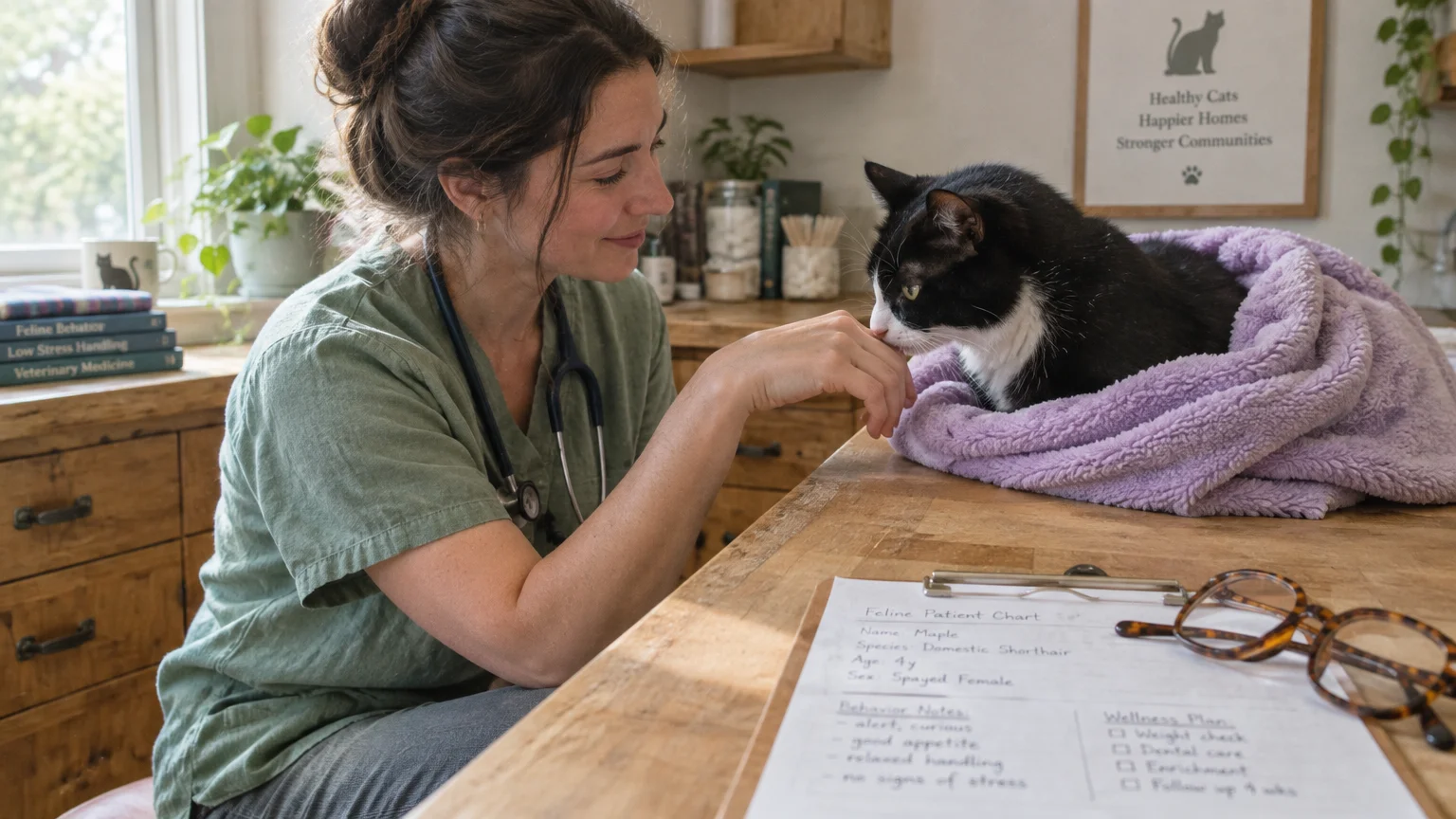
Board-certified veterinary behaviorists diagnose complex behavioral pathology like severe separation anxiety or compulsive vocalizing. They prescribe integrated treatment plans combining environmental modification and medical support.
Find accredited specialists through professional veterinary behavior registries. Early professional intervention saves pet parents months of domestic frustration.
Shelter Resources and Training Helplines
Local shelters often host free or low-cost behavioral advice hotlines for pet parents. Organizations like the ASPCA offer extensive behavioral guides to resolve common domestic frictions.
Take advantage of community low-cost spay and neuter clinics. Sterilization curbs hormone-driven mating yowls and territorial marking within weeks.
Telehealth Triage Options
Virtual veterinary triage platforms allow you to record unusual vocalizations at home. Your veterinarian can evaluate real video evidence without subjecting your cat to clinic stress.
Clear video clips help professionals distinguish respiratory distress from behavioral cries. Keep digital logs of unusual vocal episodes to share during consultations.
Frequently Asked Questions About Feline Communication
How do I calm vocal distress while traveling in the car?
Acclimate your cat to their carrier weeks before departure by making it a cozy resting haven. Spray synthetic feline facial pheromones inside the carrier fifteen minutes before departure.
Cover the carrier with a light breathable towel to block disorienting visual motion. Familiar scents and stable footing dramatically quiet anxious travel cries.
How can I tell playful meows from inter-cat aggression?
Playful interactions feature silent movement, loose postures, and alternating chasing roles between partners. Cats rarely produce loud vocalizations during consensual, friendly wrestling matches.
Genuine aggression erupts with sustained low yowls, spitting, hissing, and rigid body stances. Separate fighting felines safely by sliding a flat cardboard sheet between them.
What are affordable ways to satisfy an attention-seeking cat?
You do not need expensive automated gadgets to engage your companion’s curious mind. Cardboard delivery boxes, paper bags with handles removed, and crumpled paper balls provide hours of enrichment.
Rotate homemade puzzle toys made from empty egg cartons and toilet paper tubes. Novel mental challenges silence bored vocalizing without straining your monthly pet budget.
What specific vocalizations signal an urgent medical emergency?
Strained, repetitive crying while attempting to urinate in the litter box demands emergency veterinary care. This sound frequently signals a life-threatening urethral blockage, particularly in male cats.
Heavy panting accompanied by high-pitched, open-mouth cries also requires immediate intervention. Consult International Cat Care clinical protocols to identify critical warning signs that necessitate hospital care.
Your Evening Ritual: A Joyful Connection Tonight
Communicating with your cat requires patience, observant eyes, and an open heart. Every vocalization offers an opportunity to strengthen your unique domestic bond.
Sit quietly on the rug with your companion tonight during their post-dinner relaxation. Offer a gentle slow blink and listen for their soft, appreciative purr in return.