Choosing the perfect canine companion comes down to finding that ideal middle ground in physical size. Mid-size dog breeds deliver sturdy trail companionship alongside effortless living room snuggles.
Whether you navigate urban apartments or suburban backyards, these versatile dogs fit comfortably into daily family life. You enjoy durable athletic resilience without the demanding logistics of a giant hound.
The American Kennel Club recently published its official registration rankings, highlighting America’s beloved medium-sized companions. Let us explore the country’s top choices and see where your favorite partner ranks.
The Enduring Appeal of the Mid-Size Sweet Spot
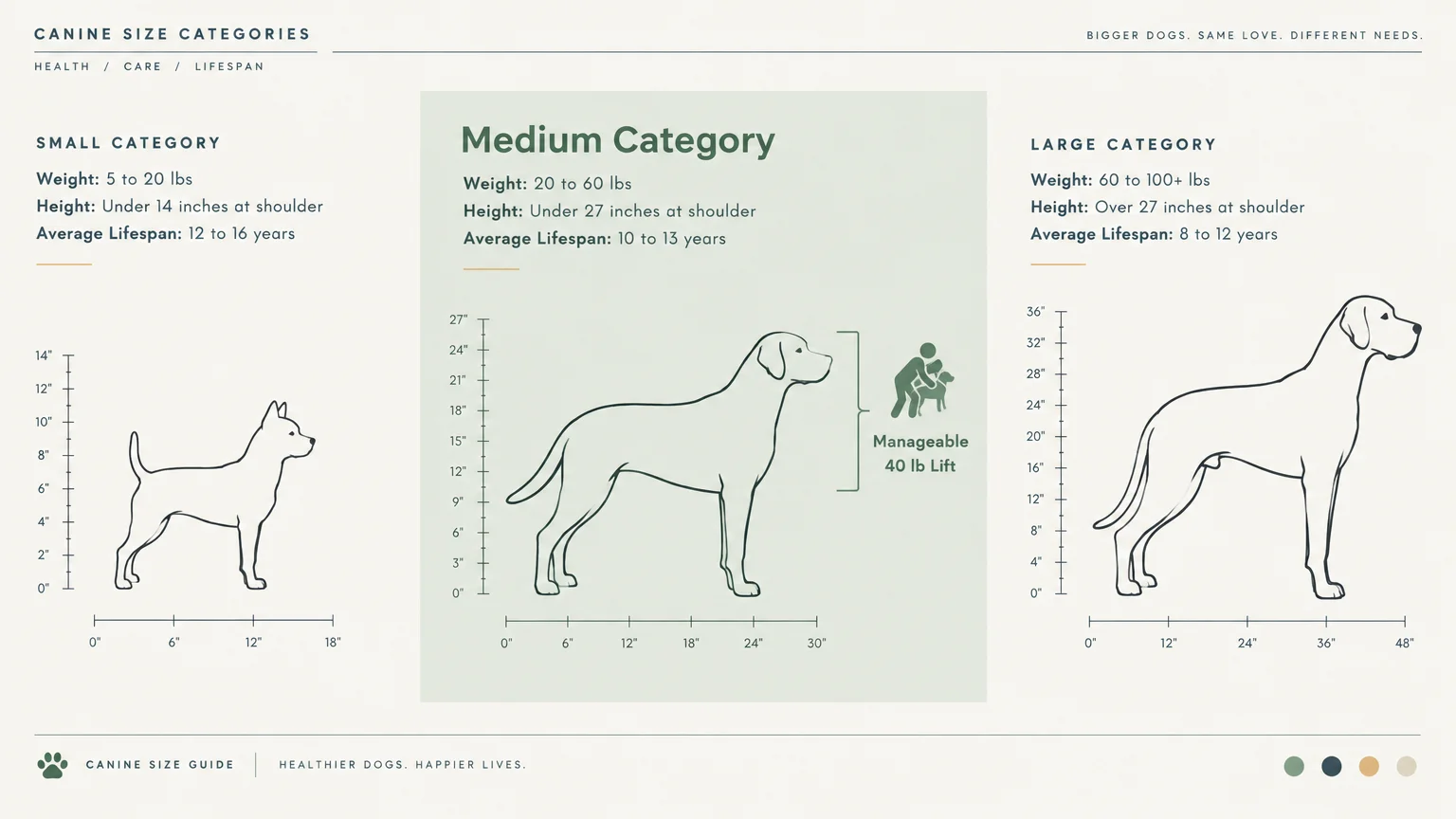
Veterinarians and animal welfare organizations define medium dogs as companions weighing between twenty and sixty pounds. These agile canines stand under twenty-seven inches tall at the shoulder.
They offer practical ergonomics for active modern households. You can lift a forty-pound dog into a car or bathtub without throwing your back out.
Their intermediate skeletal frame also reduces the excessive wear on weight-bearing joints common in giant breeds. Consequently, mid-size companions often enjoy energetic, healthy lifespans spanning ten to thirteen years.
They fit comfortably into varied living situations, adjusting smoothly between downtown apartments and suburban acreage. This extraordinary versatility makes them the top choice for first-time owners and seasoned handlers alike.
Their daily energy output hits a manageable sweet spot as well. They have plenty of stamina for weekend mountain hikes yet settle quietly beside your desk during work hours.
Navigating the Official AKC Breed Rankings
The American Kennel Club released its official breed popularity rankings on March 18, 2026. This comprehensive registry data reflects full-year 2025 registration statistics across 202 recognized purebreds.
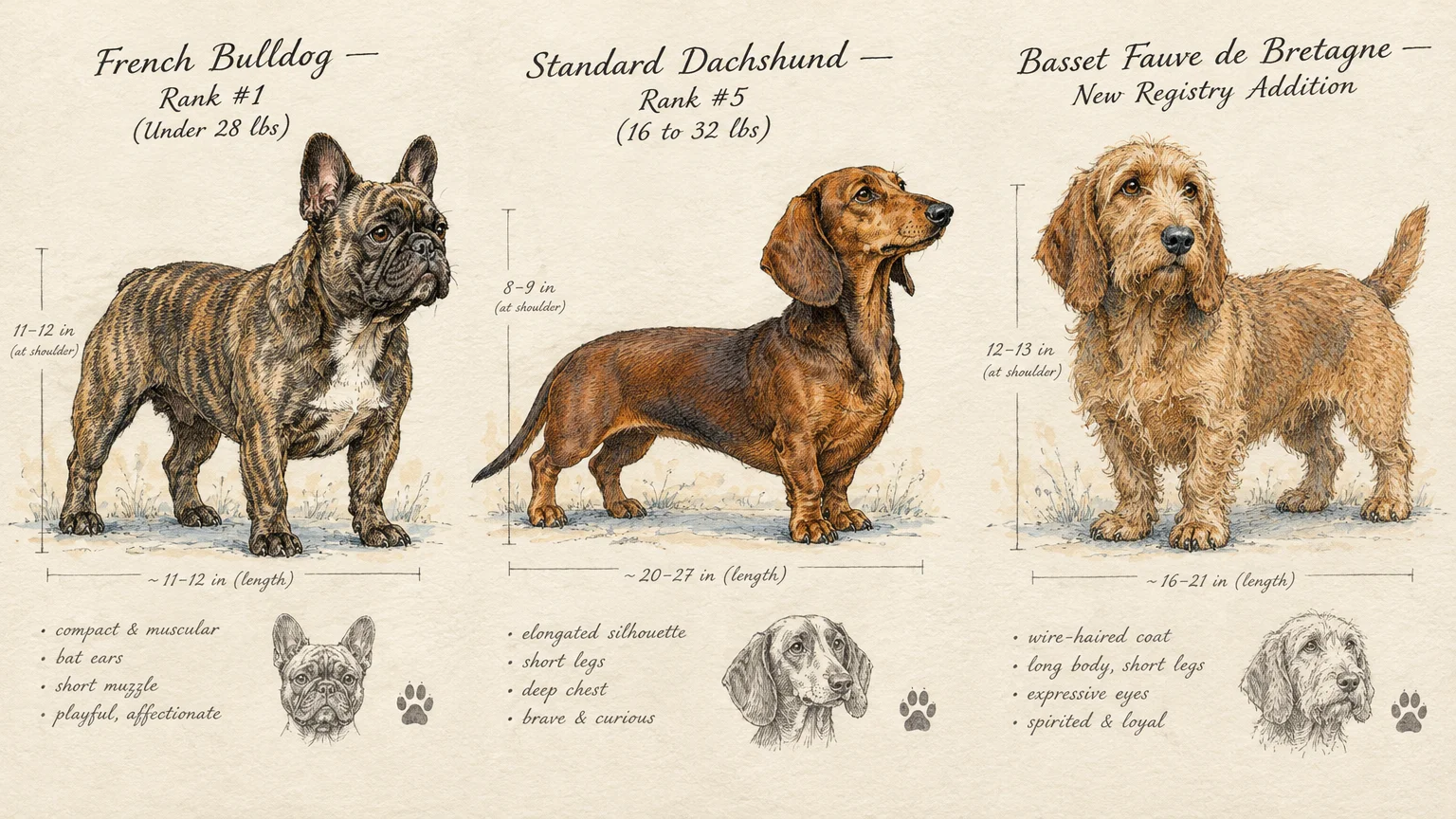
The registry expanded further in January 2026 by adding three new breeds, bringing the current total to 205. These newcomers include the charming Basset Fauve de Bretagne, a sturdy mid-size French hound.
At the top of the overall national list, the French Bulldog captured the number one spot for the fourth consecutive year. The iconic Labrador Retriever holds strong at number two, followed by the Golden Retriever.
Meanwhile, the Dachshund climbed to fifth place overall, entering the national top five for the first time since 2003. This impressive jump bumped the versatile Poodle down to the sixth overall spot.
Understanding these rankings helps you evaluate breed traits, temperament tendencies, and historical working drives accurately. Every breed on this list brings a distinct personality tailored to specific lifestyle preferences.
America’s 20 Favorite Mid-Size Dog Breeds
1. French Bulldog
Holding the overall number one spot in America, French Bulldogs weigh under twenty-eight pounds. Their affectionate temperament and compact build make them exceptionally well-suited for cozy city apartments.
Because they are brachycephalic, you must monitor their breathing during hot summer afternoons. Prioritize temperature-controlled indoor play sessions and gentle flat-surface walks to protect their airways.
Watch their facial skin folds closely to prevent irritation and bacterial growth over time. A quick daily wipe keeps their distinctive wrinkles clean, healthy, and completely odor-free.
2. Dachshund (Standard Variety)
Standard Dachshunds weigh between sixteen and thirty-two pounds and climbed to the number five overall rank. These tenacious scent hounds possess bold personalities and boundless determination.
Their elongated spines require dedicated protection from high jumps off sofas or steep porches. Install pet ramps early and teach your dog to use them consistently.
Keep their weight strictly controlled through measured feeding routines. Excess pounds place unnecessary strain on their vertebral discs, leading to painful mobility complications.
3. Poodle
Poodles claim the overall number six position across national registrations. Mid-size varieties, particularly Standard females and larger Miniatures, provide athletic intelligence in an adaptable frame.
They boast low-shedding coats and sharp problem-solving capabilities that delight dedicated trainers. Daily trick training and fetch games will channel their boundless cognitive energy productively.
You should schedule regular professional grooming every four to six weeks to prevent dense coat matting. Regular ear cleanings also prevent moisture accumulation inside their floppy ear canals.
4. Beagle
Beagles sit comfortably at number seven overall, weighing between twenty and thirty pounds. Bred as pack hounds, these merry companions bring gentle sociability and comedic charm to family homes.
Their formidable noses guide their worldview, demanding secure yard fencing and attentive leash walking. A Beagle caught on an enticing scent trail will follow it without noticing traffic hazards.
Keep them thoroughly engaged with food-dispensing puzzle toys to satisfy their natural scavenging drive. Scent-tracking games in the backyard provide excellent mental enrichment without promoting frustrating escape attempts.
5. German Shorthaired Pointer
Rising to number nine overall, the German Shorthaired Pointer weighs between forty-five and seventy pounds. This versatile sporting dog combines boundless enthusiasm with extraordinary athletic endurance.
They require vigorous daily running, swimming, or hiking to remain relaxed and settled indoors. Without adequate physical outlets, their frustration can manifest as destructive chewing or nuisance barking.
Partner with your veterinarian to establish balanced nutrition that supports their high-octane caloric burn. Active sporting breeds require energy-dense meals rich in quality proteins and healthy fats.
6. Bulldog
The English Bulldog holds the number ten rank, presenting a low-slung frame weighing forty to fifty pounds. These calm, dignified companions adore quiet lounging and affectionate sofa cuddles.
Daily maintenance requires gently cleaning their facial skin folds to avoid bacterial irritation and redness. Use veterinary-approved antiseptic wipes and dry the crevices thoroughly after each cleaning.
Keep outdoor excursions brief during warm or humid weather to ensure steady respiratory comfort. Brachycephalic breeds overheat quickly, making air-conditioned indoor rest vital during summer afternoons.
7. Australian Shepherd
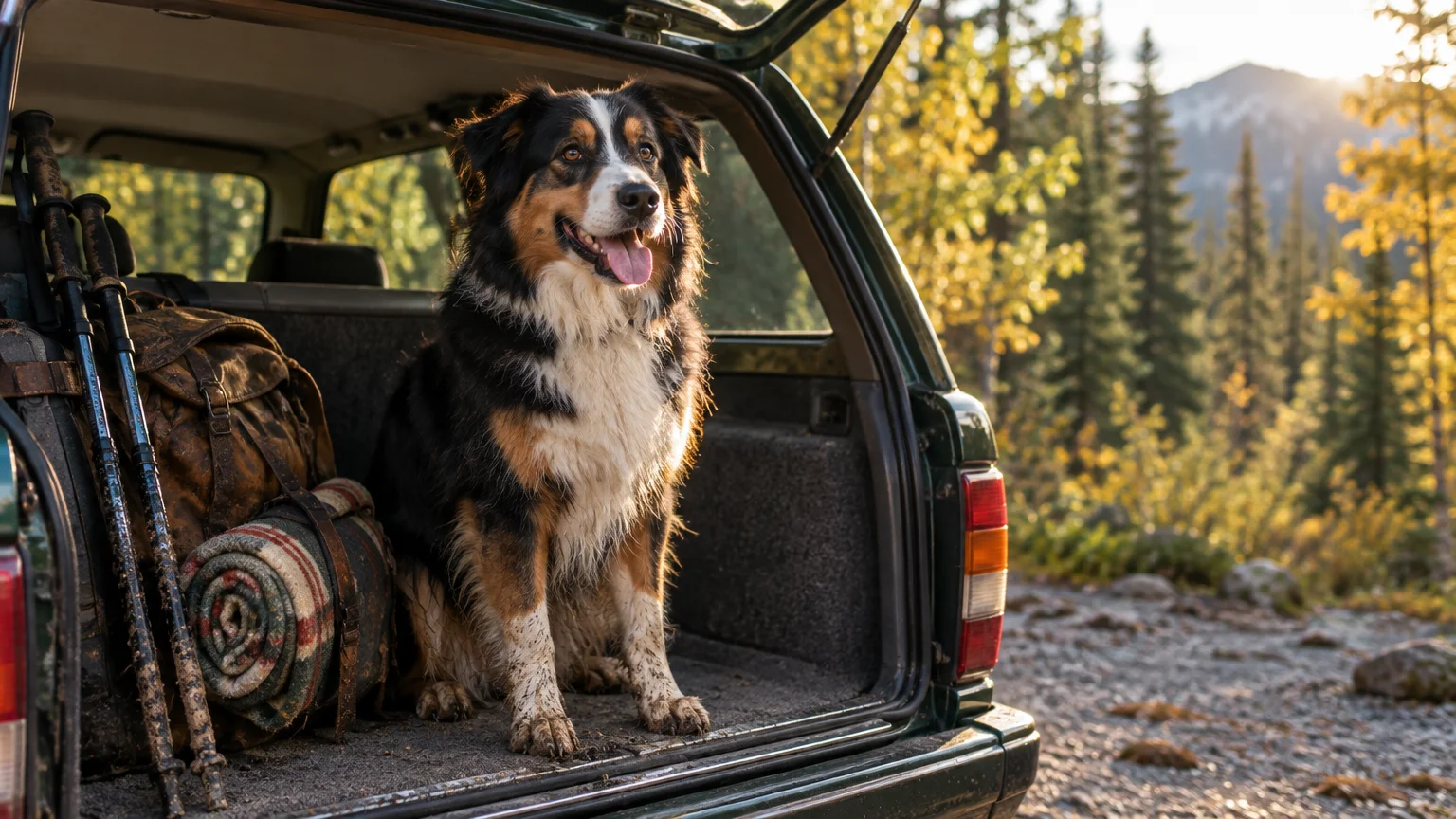
Australian Shepherds rank fourteenth overall and tip the scales at forty to sixty-five pounds. These brilliant herding dogs possess intense focus, stunning agility, and profound devotion to their human handlers.
Without daily physical work and mental challenges, they can develop unwanted herding habits around running children. Agility training, frisbee sessions, or advanced trick learning will satisfy their instinctive working drive.
Their striking double coats require weekly line brushing to prevent mats and capture loose undercoat hairs. Seasonal shedding cycles demand extra grooming attention during spring and autumn weather shifts.
8. Pembroke Welsh Corgi
Weighing up to thirty pounds, the Pembroke Welsh Corgi stands at sixteenth place nationwide. Their big-dog bark and alert posture accompany an affectionate, clownish personality that enchants everyone.
Their low-rider silhouette requires steady weight management to prevent painful back injuries and spinal stress. Feed measured meal portions and encourage moderate walking on even, grassy turf.
Corgis possess strong herding instincts that can lead to ankle nipping during enthusiastic play sessions. Redirect this behavior toward plush toys or herding balls to channel their energy constructively.
9. Boxer
Sitting at eighteenth place overall, female Boxers frequently land within the fifty to sixty-pound mid-size boundary. They combine exuberant silliness with instinctive protective loyalty toward human pack members.
Boxers demand structured socialization and consistent positive reinforcement to temper their youthful jumping habits. Teach them to sit politely to earn greetings from arriving household guests.
Provide durable rubber chew toys to satisfy their strong jaw muscles safely and prevent boredom. Their short coats require minimal grooming, though their facial wrinkles need regular checks.
10. Border Collie
Holding the twenty-sixth spot, the Border Collie weighs thirty to fifty-five pounds of pure athletic drive. Renowned as the premier canine intellectual, this breed excels at complex task learning and sports.
A casual neighborhood walk will rarely satisfy their intense craving for mental stimulation and purposeful work. Incorporate shaping games, agility obstacles, and advanced obedience cues into your daily schedule.
Border Collies can develop obsessive behaviors like shadow chasing if their brilliant minds remain underemployed. Counter this risk by teaching them name recognition for dozens of distinct household toys.
11. English Springer Spaniel
English Springer Spaniels rank twenty-seventh overall, weighing between forty and fifty pounds. These cheerful bird dogs display immense enthusiasm for outdoor exploration and affectionate family interaction.
Their feathered coats require consistent weekly brushing to remove burrs and field debris after nature walks. Pay close attention to the long hair around their ears and legs where tangles form.
They thrive when retrieving floating toys across dog-friendly lakes or working through wooded hiking trails. Their biddable temperament makes positive reinforcement training an enjoyable and seamless daily routine.
12. Miniature American Shepherd
Occupying the twenty-eighth position, this versatile herding breed weighs between twenty and forty pounds. They pack the brilliant herding instincts of larger shepherds into an easily portable, travel-friendly frame.
These dogs bond closely with their handlers and excel at competitive canine sports like flyball. Channel their sharp problem-solving skills with complex nose work and multi-level puzzle feeders.
Provide early socialization to ensure they develop confidence around unfamiliar people and bustling public environments. Their natural wariness softens quickly when paired with delicious treats and supportive handling.
13. Shetland Sheepdog
The Shetland Sheepdog holds the twenty-ninth position, weighing fifteen to twenty-five pounds of elegant agility. These vocal, sensitive herders form unbreakable bonds with their primary human caregivers.
Their thick double coats demand thorough weekly line brushing to manage shedding and promote skin health. Focus on the soft fur behind their ears where mats frequently hide unnoticed.
Use gentle, positive reward-based methods to nurture their sensitive, eager-to-please temperament during training. Harsh verbal corrections will cause them to shut down and lose their natural enthusiasm.
14. Siberian Husky
Siberian Huskies claim rank thirty, with females and moderate males weighing thirty-five to sixty pounds. Famous for striking eyes and mischievous vocalizations, these pack animals possess boundless running stamina.
They require exceptionally secure yard fencing to counter their innate wandering impulses and athletic jumping skills. Never trust a Siberian Husky off leash in an unenclosed, public outdoor space.
Provide cool resting spots and extensive daily aerobic workouts in crisp, brisk weather to burn energy. They shed their thick undercoat heavily twice per year, requiring daily sessions with an undercoat rake.
15. Brittany
Holding spot thirty-one, the Brittany weighs thirty to forty pounds and exhibits joyous, boundless agility. These compact bird dogs offer tireless energy in the field and sweet-natured affection at home.
They flourish alongside avid runners, hikers, and outdoor enthusiasts who spend long hours outside. A simple stroll around the block will leave them restless and looking for constructive mischief.
Consistent positive communication keeps their sensitive, upbeat spirit focused and eager to cooperate during training. They respond wonderfully to clicker training techniques paired with tasty, soft rewards.
16. Cocker Spaniel
The Cocker Spaniel ranks thirty-third, offering a compact, sturdy frame weighing twenty to thirty pounds. Known for soulful eyes and merry tail wags, they make gentle, devoted family companions.
Their long drop ears require regular inspection, gentle cleaning, and drying to prevent moisture-related infections. Ask your groomer to trim the hair inside their ear canal entrance to boost air circulation.
Maintain gentle daily brushing routines to keep their silky coat smooth, luxurious, and completely tangle-free. Professional grooming trims every six weeks keep their feathered skirts manageable during rainy seasons.
17. Basset Hound
Weighing forty to sixty-five pounds on short legs, the Basset Hound stands proudly at rank thirty-four. This charming scenthound is calm indoors but entirely single-minded when trailing interesting scents outdoors.
Their heavy bone structure requires joint-friendly exercise rather than high-impact leaping or jumping down stairs. Help them into vehicles using portable pet ramps to protect their developing elbows and shoulders.
Regular ear cleaning and weight checks will keep your hound comfortable, healthy, and pleasantly active. Their heavy ears trap moisture easily, demanding weekly hygiene checks with veterinary-approved flushes.
18. English Cocker Spaniel
Sitting at thirty-fifth place, the English Cocker Spaniel weighs twenty-six to thirty-four pounds of hunting vigor. They display a slightly taller, more energetic frame than their American Cocker Spaniel cousins.
These merry dogs possess high social intelligence and love working directly alongside their human partners. Daily games of fetch and woodland walks satisfy their innate hunting and flushing instincts.
Weekly brushing prevents unsightly mats from developing in their feathering and behind their velvety ears. They enjoy learning complex obedience games that test their remarkable memory and tracking abilities.
19. Vizsla
The Hungarian Vizsla occupies thirty-sixth place, weighing forty-four to sixty pounds of sleek muscle. Known affectionately as Velcro dogs, they form exceptionally close emotional attachments to their human guardians.
Their lean, athletic bodies require substantial daily cardiovascular exercise to stay balanced and emotionally calm. Off-leash romps in secure fields let them sprint at their breathtaking natural speeds.
Provide soft bedding and cozy indoor warmth to protect their short, single coat from chilly drafts. They dislike being left alone for extended periods and thrive in highly social households.
20. Collie
Rounding out our list at thirty-ninth place, female Collies weigh fifty to sixty pounds on average. Famous for legendary devotion, these gentle herders show remarkable patience with children and other pets.
Whether rough or smooth-coated, Collies thrive on structured household routines and compassionate, kind leadership. They possess a sweet, sensitive nature that shrivels under harsh tones or chaotic home environments.
Rough Collies demand thorough line brushing twice a week to keep their magnificent double coat mat-free. Smooth Collies offer the exact same gentle temperament with a much simpler wash-and-wear coat.
The Mid-Size Daily Playbook: Nutrition, Exercise, and Enrichment
Designing an effective daily routine requires balancing caloric intake with physical output and cognitive stimulation. Mid-size dogs possess distinct metabolic rates that require precise, portion-controlled nutritional management.
According to the American Society for the Prevention of Cruelty to Animals, preventing canine obesity protects joint longevity. Measure every meal using standard measuring cups rather than guessing portion sizes casually.
Provide between sixty and ninety minutes of physical exercise tailored to your dog’s age and breed type. Break this total into a brisk morning walk and an engaging evening play session.
Sporting and herding breeds require open-field retrieval or agility work to burn off excess stamina safely. In contrast, low-slung hounds prefer methodical, slow-paced sniffing adventures through neighborhood parks.
Mental enrichment tires an active canine mind far more efficiently than repetitive physical exercise. Scatter a portion of their daily kibble across your backyard grass or inside a fleece snuffle mat.
Introduce food-dispensing puzzle toys during your workday to prevent isolation distress and destructive boredom. Rotating three distinct puzzles throughout the week keeps the mental challenge fresh and interesting.
Dedicated daily socialization also builds emotional resilience against unexpected environmental triggers. Expose your dog to novel outdoor sounds, varied foot surfaces, and passing bicycles during quiet neighborhood walks.
End each day with a predictable wind-down routine that signals it is time for rest. Gentle brushing followed by a ten-minute chew session helps your companion transition calmly into evening sleep.
Evidence-Based Training and Communication Cues
Modern behavioral science has retired punitive dominance myths in favor of humane, positive reinforcement methods. Rewarding desirable behaviors builds strong neurochemical associations that make good habits permanent and enjoyable.
The American College of Veterinary Behaviorists stresses that aversive training tools increase fear, avoidance, and aggressive defensive responses. Positive reinforcement creates confident, cooperative companions who love collaborating with you.
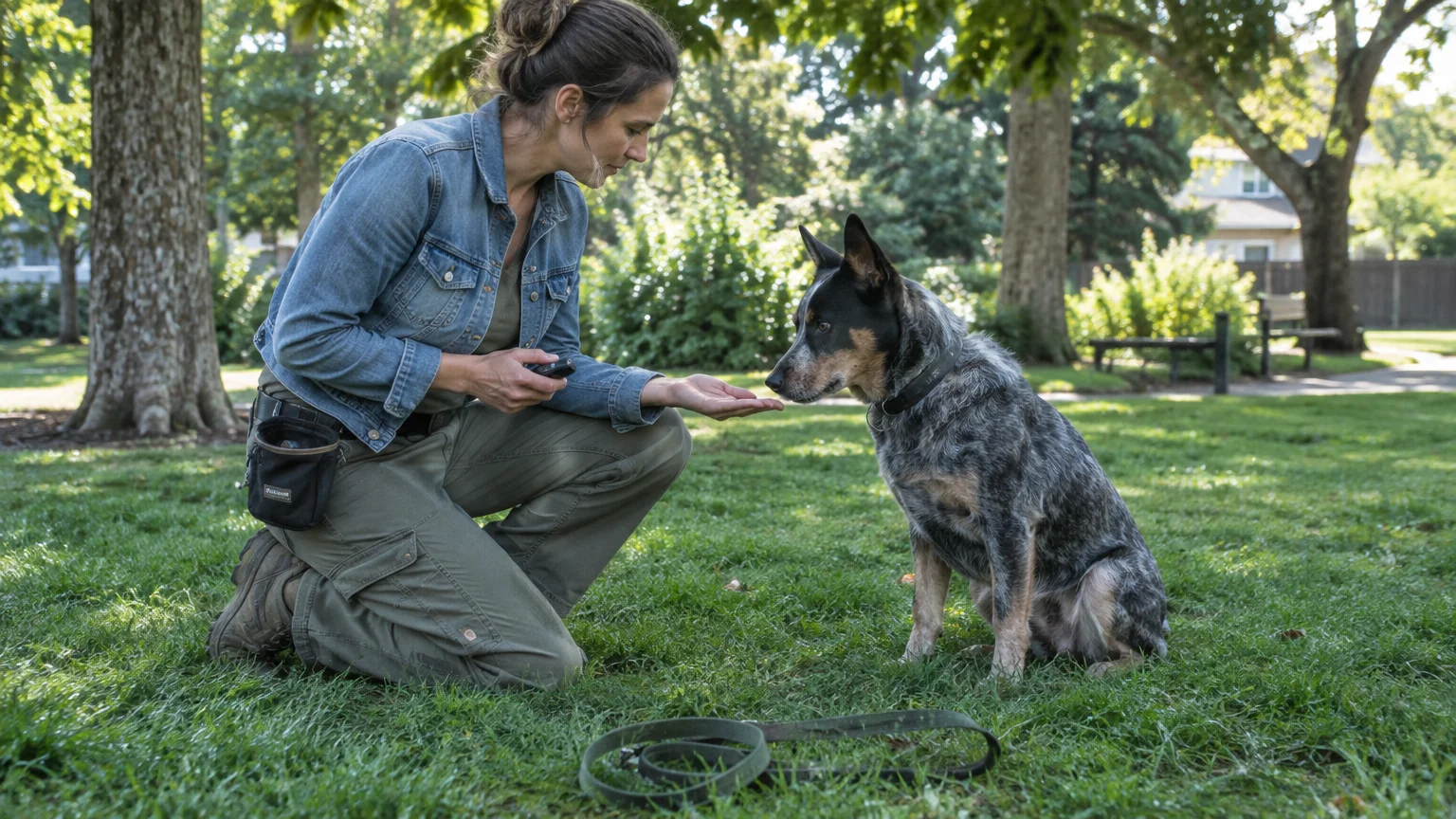
Start your training program by teaching a dependable place cue using a dedicated raised cot or mat. Lure your dog onto the mat, mark the four-paws-down moment with a clicker, and feed a high-value treat.
Gradually add duration by delaying the treat release for three, five, and then ten seconds. This single cue prevents frantic front-door greetings and keeps your dog calm during family dinner gatherings.
When teaching loose-leash walking, transform yourself into a stationary tree whenever your dog pulls ahead. The moment tension slackens and your dog glances back at you, mark the behavior and move forward.
Your dog quickly learns that leash tension halts the walk while a relaxed leash unlocks exciting forward exploration. Always carry pea-sized pieces of soft treats in a quick-access belt pouch during strolls.
Learn to read subtle canine body language signals like tongue flicks, yawning, and head turns during daily interactions. These appeasement gestures signal mild stress long before a dog resorts to growling or snapping.
Acknowledging these quiet communications allows you to advocate for your dog before stressful situations escalate. Trust grows rapidly when your companion realizes you consistently protect their emotional comfort.
Navigating 2026 Budgeting and Veterinary Realities
Responsible dog ownership demands transparent financial awareness in today’s changing economic climate. Bureau of Labor Statistics figures from early 2026 show veterinary service prices rose 5.3% year-over-year.
Meanwhile, retail prices for dog food and treats experienced a more modest 1.4% price rise. Planning a realistic household pet budget prevents financial strain when unexpected medical needs inevitably surface.
The 2026 Cost of Dog Parenthood report shows medium-dog owners spend between $145 and $505 each month. Across all adult sizes, annual essential expenses now range between $1,930 and $5,305.
Welcoming a new companion carries upfront first-year costs of $1,195 to $4,650, reflecting a 4.9% increase over 2025. These figures cover adoption or breeder fees, spay and neuter procedures, vaccinations, and initial supplies.
Over an average ten to thirteen-year lifespan, raising a medium dog costs between $35,415 and $43,285. In contrast, small dogs average $19,840 over their lives, while giant breeds can exceed $58,875.
Routine annual wellness visits, bloodwork screenings, and parasite preventatives generally run between $400 and $800 per year. Comprehensive veterinary care estimates from the AKC reach $700 to $1,500 annually for full preventative coverage.
Review preventive healthcare guidelines from the American Veterinary Medical Association to maintain an ideal care timetable. Proactive wellness examinations catch minor health anomalies long before they require costly emergency interventions.
Enroll your puppy or adult dog in a reputable pet insurance plan before pre-existing conditions arise. High-deductible accident and illness policies provide peace of mind against expensive orthopedic surgeries or sudden illnesses.
Community Resources and Ethical Adoption Pathways
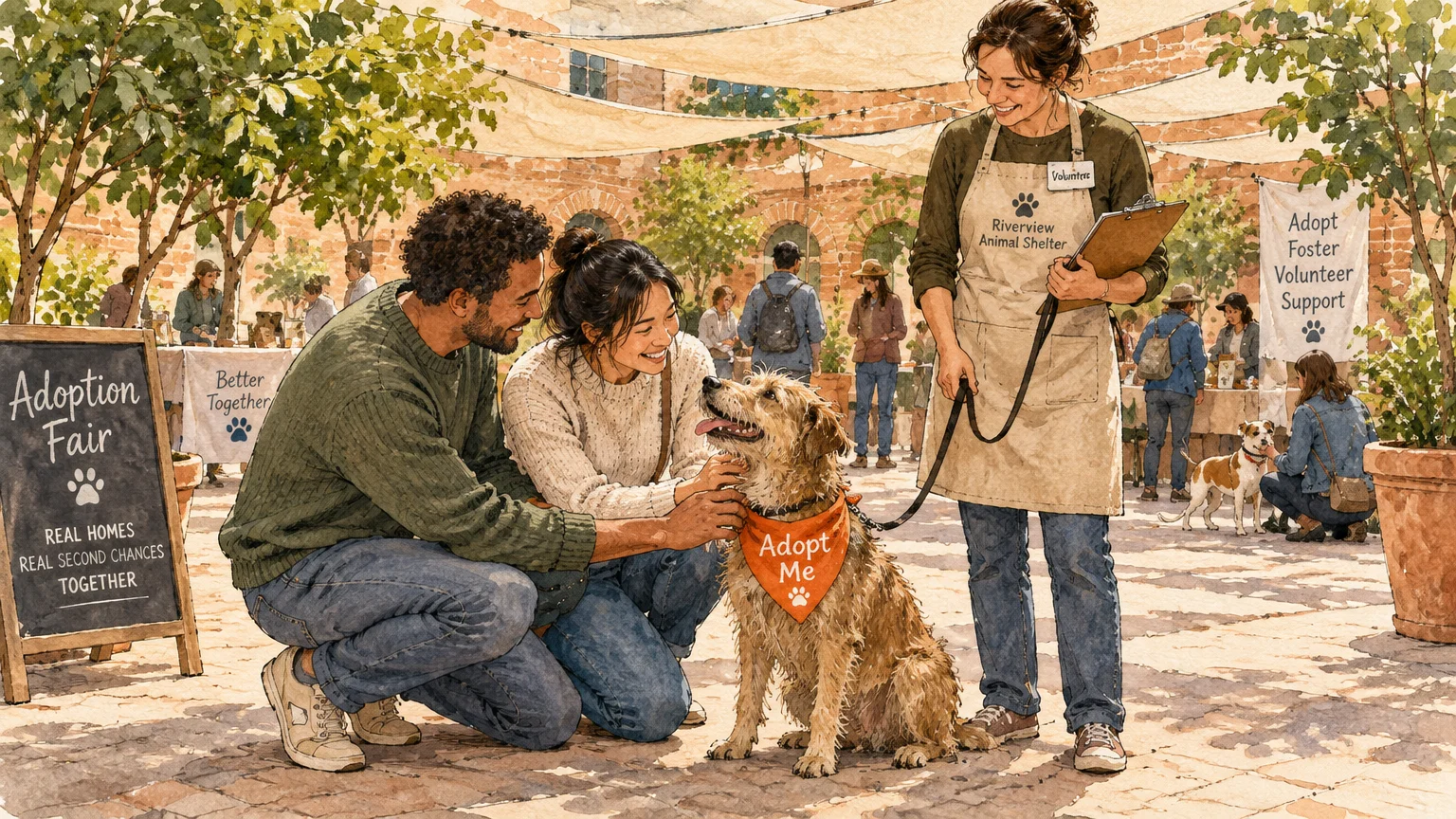
Whether you acquire a purebred puppy or adopt a shelter dog, knowledgeable community networks provide vital support. Local shelters house thousands of charming mid-size dogs waiting for patient, loving families.
You can locate regional rescue organizations and shelter directories through the Humane Society of the United States. Many rescue dogs possess the exact medium-sized qualities and affectionate temperaments described in purebred standards.
If you purchase from a purebred breeder, verify that both parents have certified health clearances. Ethical breeders openly provide documentation from the Orthopedic Foundation for Animals for hips, elbows, and eyes.
Never buy a puppy from an online broker who refuses an in-person or live-video kennel visit. Genuine preservation breeders breed to improve genetic vitality rather than turn a quick commercial profit.
Connect with certified dog trainers and veterinary telehealth support hotlines during your first month home. Having professional guidance immediately available eliminates frustration and sets your household up for enduring success.
Frequently Asked Questions About Mid-Size Dogs
How do mid-size dogs handle road trips and air travel logistics?
Mid-size dogs travel comfortably in standard car backseats using crash-tested safety harnesses or secured travel crates. Their thirty to fifty-pound weight provides stability during vehicle turns while fitting onto standard bench seating.
However, commercial airline travel presents challenges because mid-size dogs exceed under-seat carry-on cabin weight limits. You must utilize temperature-regulated cargo transport or plan vehicle-based road trips for family vacations.
How can you safely introduce a mid-size dog to cats and smaller pets?
Implement a slow, staged introduction across several weeks using physical baby gates and secure leashes. Allow the animals to sniff each other’s bedding before permitting direct visual contact across barriers.
Reward your dog with treats for displaying calm disinterest or looking away from the smaller pet. Working breeds with strong prey drives require ongoing supervision to guarantee safety for everyone.
What are the most effective ways to manage dog care costs in 2026?
Buy high-grade dog food in large bags to capture volume savings, storing the kibble in airtight containers. You can also make DIY enrichment toys using household cardboard boxes, muffin tins, and tennis balls.
Learn basic home maintenance skills like nail grinding, coat brushing, and ear cleaning to reduce grooming salon fees. Routine preventative dental brushing at home also prevents expensive professional cleanings under general anesthesia.
What essential supplies belong in a mid-size canine emergency evacuation kit?
Pack a seven-day supply of your dog’s regular food, bottled water, collapsible bowls, and essential medications. Store digital copies of your dog’s rabies certificate and medical history on a water-resistant USB drive.
Add a backup leash, an appropriately sized basket muzzle, a pet first-aid kit, and a warm fleece blanket. Ensure your dog wears an updated identification tag and that their microchip registry information remains accurate.
Tonight’s New Bonding Ritual
Deepen the joyful bond with your mid-size companion tonight by introducing a simple, engaging nose work ritual. Hide five aromatic treats under overturned plastic cups across your living room rug.
Give a cheerful release cue and watch your dog’s tail wag as their keen scenting instincts solve the puzzle. These joyful moments of collaborative play transform ordinary evenings into deeply meaningful memories.