Picture coming home after a long day to a soft nudge at your knees, a wagging tail, and warm eyes locked on yours. That quiet moment captures why millions of people seek out the sweetest dog breeds as lifelong companions.
Choosing among friendly dog breeds takes more than admiring floppy ears or gentle eyes. You also need practical habits for daily exercise, nutrition, preventive health care, and patient training.
Here is your guide to ten famously affectionate companions, complete with real size expectations and everyday routines that deepen your bond.
The Science Behind Gentle Family Dogs
Dogs hold a remarkably close place in modern homes across the United States. According to the 2026 AVMA Pet Ownership and Demographics Sourcebook, the U.S. pet dog population reached 88.9 million across 58.9 million households, representing 43.7% of all American homes.
Many households even welcome multiple companions, averaging 1.6 dogs per dog-owning home according to 2025 AVMA figures. The Pew Research Center reports that 97% of pet owners view their animals as family, and 51% consider them equal to human family members.
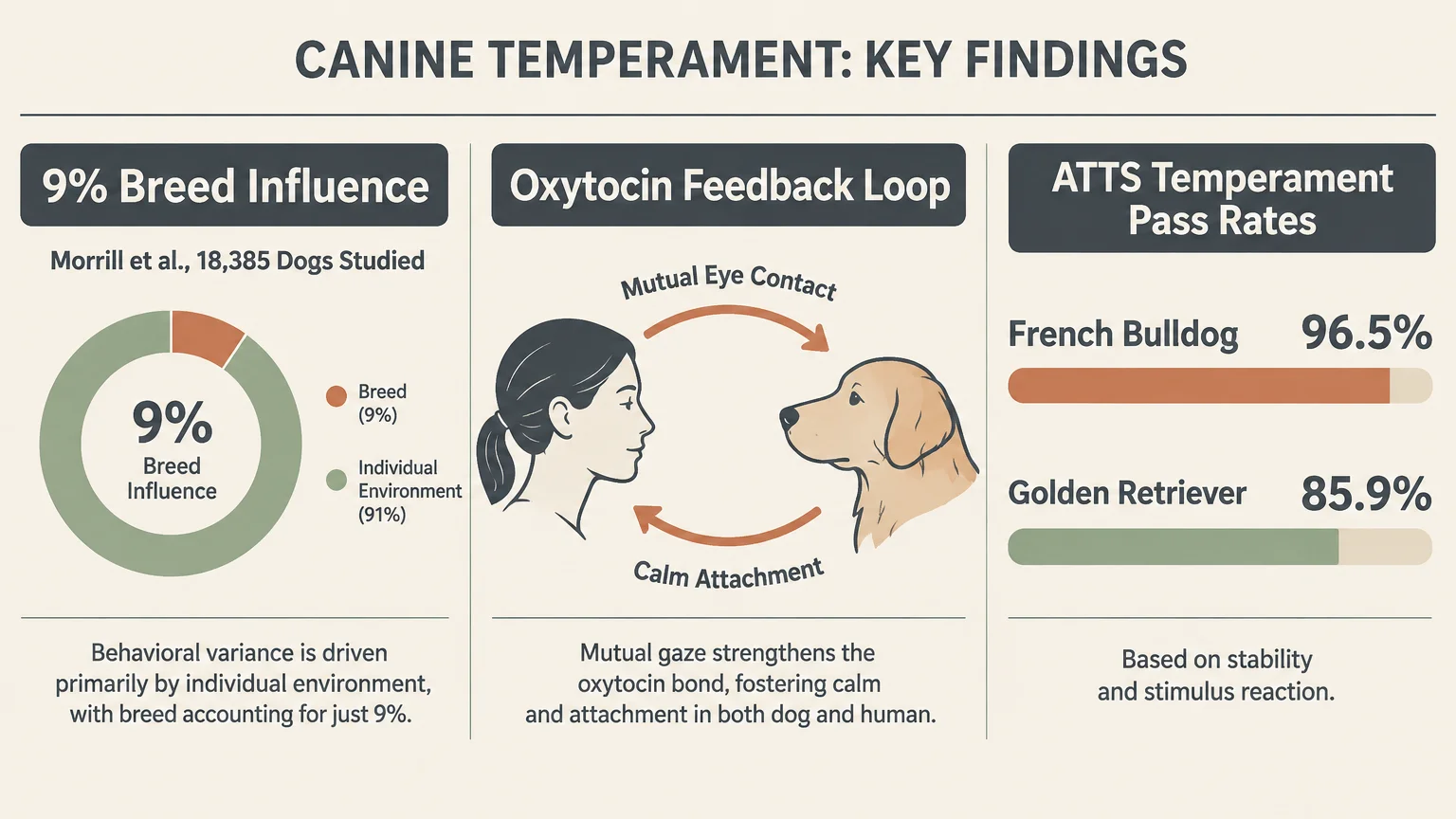
Biology helps explain why gentle dogs feel so comforting after a stressful afternoon. Peer-reviewed research published in Science by Nagasawa and colleagues in 2015 identified an oxytocin-gaze positive loop between humans and dogs.
When you and your dog share soft, mutual eye contact, oxytocin levels rise in both of you. That hormonal response reinforces trust, affection, and calm attachment every single day.
Still, pedigree alone never guarantees an easygoing temperament. A landmark genomics study published in Science by Morrill and colleagues in April 2022 surveyed owners of 18,385 purebred and mixed-breed dogs and genotyped 2,155 dogs.
While behavioral traits showed over 25% heritability, breed explained only 9% of the behavioral differences among individual dogs. Genetics tilt the odds toward friendliness, yet early socialization and daily care shape the companion sitting beside you.
Standardized temperament evaluations also reveal how individual dogs respond to new sights and strangers. The American Temperament Test Society evaluates dogs at least 18 months old on stability, shyness, friendliness, and reaction to stimuli during a simulated walk.
Those pass rates measure how smoothly a dog recovers and interacts rather than measuring breed aggression. For instance, the French Bulldog—which held the No. 1 spot in American Kennel Club rankings for four consecutive years—earned a 96.5% pass rate across 57 tested dogs.
10 Dog Breeds With the Sweetest Personalities
Exploring official breed standards from the American Kennel Club helps you match a dog’s size, lifespan, and energy level to your household rhythm. Each of these ten gentle family dogs shines for warmth while bringing distinct daily care needs.
1. Golden Retriever
Golden Retrievers rank No. 3 in American Kennel Club popularity and earned an 85.9% pass rate across 836 dogs in American Temperament Test Society evaluations. Their eager, sunny outlook makes them classic affectionate dogs for busy households.
Males stand 23 to 24 inches tall and weigh 65 to 75 pounds, while females reach 21.5 to 22.5 inches and 55 to 65 pounds. Plan for a 10-to-12-year lifespan filled with brisk daily walks and swimming sessions.
Brush that feathered double coat two or three times each week to stop mats from forming behind the ears. Watch treats closely, too, because extra weight stresses aging hips and elbows.
2. Labrador Retriever
After holding the No. 1 registration spot for 31 straight years until 2022, the Labrador Retriever remains No. 2 for good reason. This Sporting Group favorite greets guests with full-body tail wags and steady patience.
Labradors typically live 11 to 13 years and enter their senior stage around 8 to 9 years old. Because they adore food almost as much as fetching, precise meal measuring protects their joints over time.
Pair daily aerobic play with puzzle feeders so your Lab burns mental energy before settling on the sofa. Keep ear canals clean and dry after water play to ward off itchy yeast flare-ups.
3. Cavalier King Charles Spaniel
Few Toy Group companions rival the Cavalier King Charles Spaniel for quiet lap-side devotion. These silky-coated small dogs love curling near your ankles while you work or read.
You can expect a 12-to-15-year lifespan with moderate exercise needs that fit apartment or suburban living alike. Two brisk neighborhood strolls and short hallway fetch games keep most Cavaliers happy.
Schedule consistent veterinary checkups to monitor heart murmurs and dental health as your spaniel matures. Gently comb those long, feathered ears every couple of days so burrs and tangles never take hold.
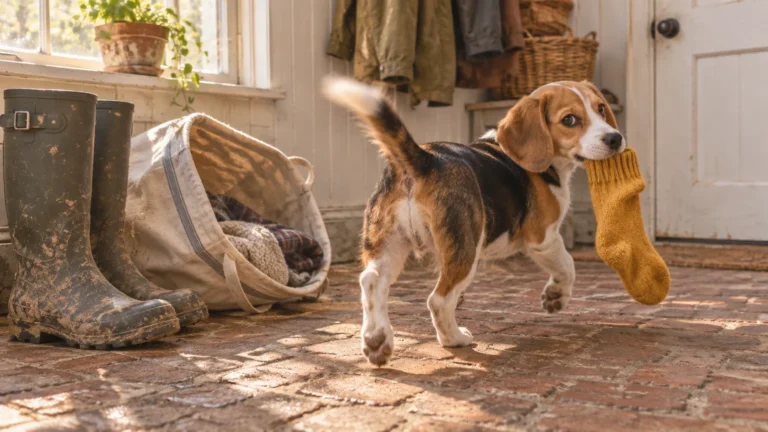
4. Beagle
Sitting at No. 7 in American Kennel Club popularity, the Beagle packs cheerful, hound-dog charm into a sturdy, portable frame. Their easygoing attitude helps them shine as best companion dogs for lively households.
Beagles carry a life expectancy of 10 to 15 years and rely heavily on their noses to navigate the world. Always use a secure harness and a solid fence because an interesting scent trail easily overrides recall.
Keep meals portioned strictly, as Beagles love scavenging crumbs off kitchen floors. Offering daily sniff walks turns ordinary neighborhood loops into deeply satisfying brain workouts.
5. Bichon Frise
Standing 9.5 to 11.5 inches tall and weighing 12 to 18 pounds, the Bichon Frise radiates cheerful friendliness. In American Temperament Test Society trials, 77.4% of tested Bichons passed, reflecting sociable poise.
With a 14-to-15-year life expectancy, this small companion stays playful well into middle age. Their plush, curly coat sheds lightly, yet it demands regular brushing and professional trims every four to six weeks.
Bichons thrive on close human company and dislike long stretches alone. Practice short, calm departures early in life so your dog stays relaxed whenever you run errands.
6. Pug
Tracing back roughly 2,000 years to China, the Pug brings big, comical warmth inside a compact frame. These ancient toy companions live 13 to 15 years and love following their people from room to room.
Short play bursts indoors or cool morning walks suit a Pug far better than midday summer jogs. Their flat muzzles make overheating a real risk in warm or humid weather.
Wipe facial folds gently with a damp cloth several times a week to keep skin clean and dry. Keep treats modest, since even two extra pounds strain a Pug’s breathing and spine.
7. Newfoundland
Newfoundlands define the phrase gentle giant with calm eyes and protective patience. Males average 28 inches tall and 130 to 150 pounds, while females average 26 inches and 100 to 120 pounds.
Their life expectancy runs 10 to 12 years, and veterinarians classify giant breeds as seniors around 6 to 7 years of age. Keep a stash of washcloths near the couch because Newfies drool generously after drinking.
Provide thick orthopedic bedding and non-slip rugs on hardwood floors to protect heavy joints. Budget extra room for giant-sized monthly preventives, grooming tools, and food bags.
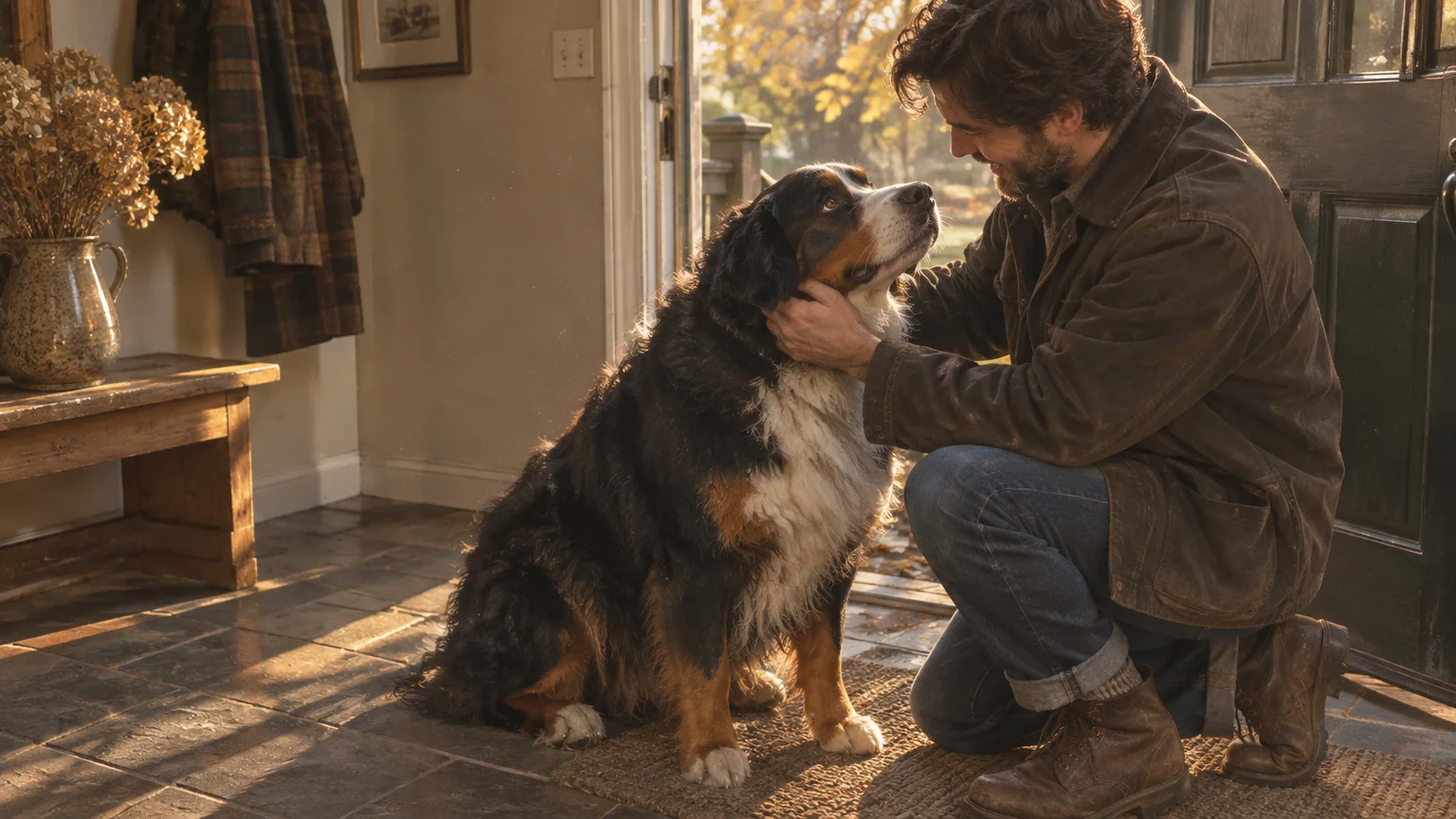
8. Bernese Mountain Dog
Dressed in a striking tricolor coat, the Bernese Mountain Dog pairs quiet dignity with deep loyalty to its household. Males measure 25 to 27.5 inches and 80 to 115 pounds, while females reach 23 to 26 inches and 70 to 95 pounds.
Berners have a shorter life expectancy of 7 to 10 years, making preventive veterinary care vital from puppyhood onward. Moderate daily walks in cool morning air suit them best thanks to their thick coat.
Expect heavy seasonal shedding twice a year and plan weekly undercoat brushing to maintain skin airflow. Gentle obedience training early on ensures you can steer an 80-pound sweetheart smoothly on a leash.
9. Irish Setter
Gleaming in mahogany red, the Irish Setter greets every morning like a celebration. Males stand 27 inches tall at around 70 pounds, while females stand 25 inches at roughly 60 pounds.
With a 12-to-15-year lifespan, these athletic companions keep their puppyish spark for many years. Plan generous daily aerobic exercise, such as trail hikes or safe fenced-in sprints, before asking them to settle.
Because Irish Setters mature slowly and crave social engagement, short, upbeat training games work wonders. Brush out feathering on the legs and tail after muddy park adventures.
10. Boxer
Known for kidney-bean wiggles and expressive eyebrows, the Boxer brings devoted, goofy energy to family life. In American Temperament Test Society evaluations, 84.5% of 489 tested Boxers passed.
Boxers carry a 10-to-12-year life expectancy and stay fiercely attached to their favorite humans. Short-coated grooming takes just a quick weekly wipe with a rubber curry brush.
Give your Boxer structured tug games and scent puzzles so exuberant energy stays polite indoors. Like other short-muzzled dogs, Boxers need shaded rest breaks and plenty of water during hot weather.
Your Daily Playbook for Health and Enrichment
Sweetness flourishes when a dog feels comfortable, well fed, and mentally engaged. Small daily habits protect your companion’s health without forcing you to spend a fortune.
Nutrition and Protecting Longevity
Keeping your dog lean ranks among the kindest things you can do as a caregiver. In its 2022 clinical survey, the Association for Pet Obesity Prevention found that veterinarians classified 59% of evaluated U.S. dogs as overweight or obese.
Being overweight means carrying 10% to 20% above ideal weight, while obesity starts at 20% or more above ideal. Research from the University of Liverpool shows that excess weight can shorten a dog’s lifespan by up to 2.5 years.
Americans spend roughly $69.7 billion annually on pet food and treats according to the American Pet Products Association, yet portion accuracy matters far more than flashy bags. Measure every meal with a kitchen scale or marked scoop rather than eyeballing the bowl.
For a budget-friendly training hack, set aside one-quarter of your dog’s daily kibble ration each morning to use as rewards. Swap high-calorie biscuits for crisp green beans or plain cucumber slices if your vet approves.
Exercise Across Life Stages
Most veterinarians begin senior health screenings around age 7, while giant breeds reach senior status at 6 to 7 years according to the American Kennel Club. Adjusting movement routines early keeps aging joints comfortable.
Trade long pavement runs for soft grass strolls, shallow water wades, and gentle balance exercises on cushioned mats. Let your dog linger at interesting trees and fire hydrants, because sniffing lowers heart rate and satisfies natural curiosity.
Watch for subtle stiffness after naps or hesitation before hopping into the car. Mentioning early changes at routine checkups lets your veterinarian address arthritis long before pain sidelines your companion.
Low-Cost Mental Enrichment
Boredom often drives chewing, barking, and restlessness even in the gentlest breeds. Mental puzzles tire a dog out efficiently without stressing growing or aging joints.
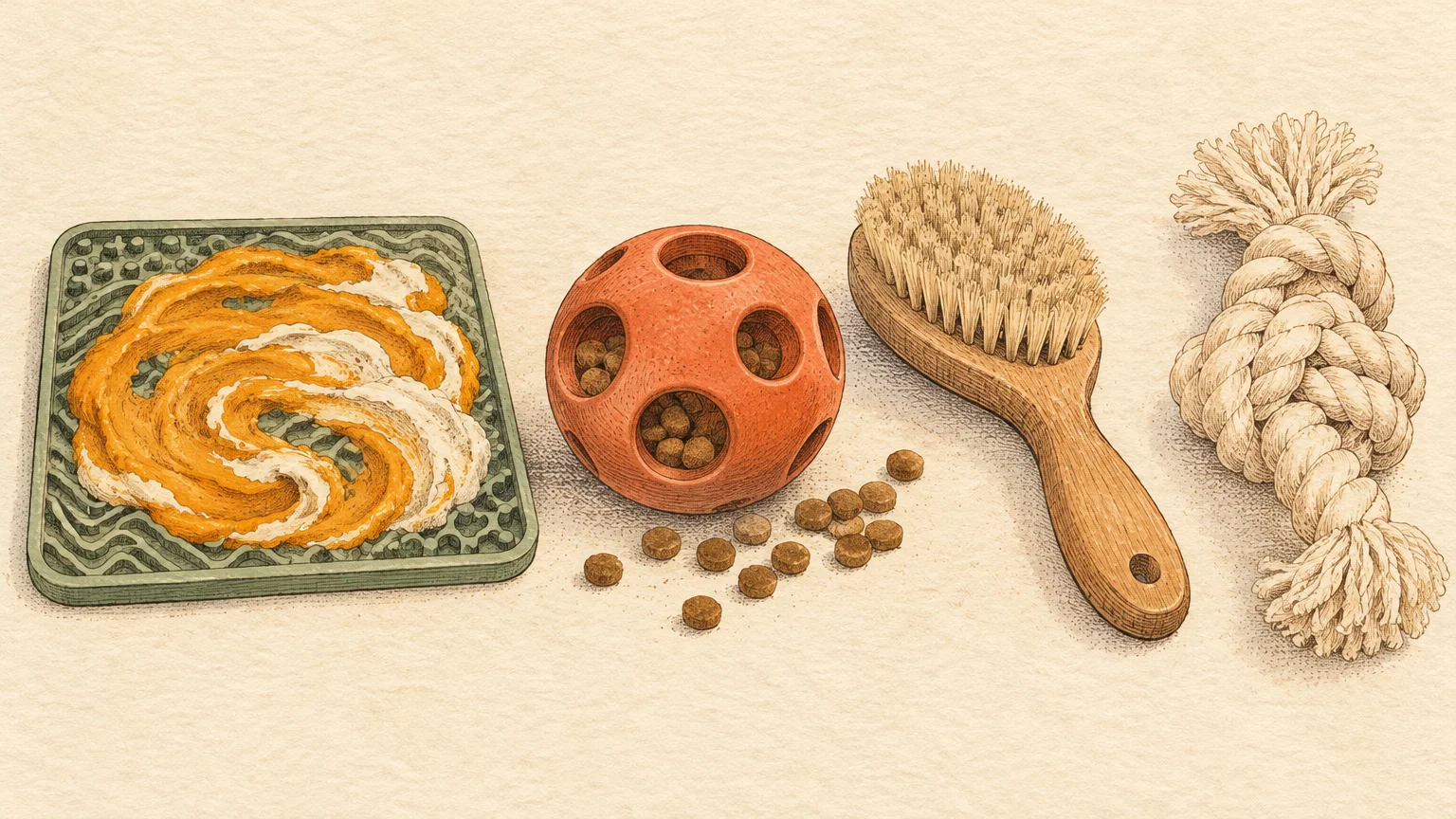
Skip pricey gadget subscriptions and roll kibble inside an old bath towel tied in a loose knot. You can also hide small pieces of kibble inside nested cardboard delivery boxes for a five-minute indoor treasure hunt.
Pack dampened kibble and a spoonful of plain pumpkin into a durable rubber toy, then freeze it overnight for quiet afternoon licking. Rotate three favorite toys out of a closet each Monday so old items feel brand new.
Socialization, Training, and Family Safety
Friendly genetics blossom fully when paired with thoughtful exposure and respectful boundaries at home. Understanding canine development keeps both your dog and your neighbors safe.
Making the Most of the Puppy Socialization Window
Guidance from the AVMA, UC Davis Veterinary Medicine, and the American Veterinary Society of Animal Behavior places the critical socialization window between 3 and 14 weeks of age. Puppies generally stay with their litter until 8 weeks of age per the Texas Veterinary Medical Foundation.
Once your puppy arrives home, timing matters enormously. According to position statements from the American Veterinary Society of Animal Behavior, puppy classes can begin at 7 to 8 weeks after at least one set of vaccinations.
Waiting until 16 to 20 weeks misses prime learning weeks, and behavioral challenges remain the leading cause of relinquishment and death in dogs under age 3. UC Davis recommends creating 90 different positive experiences by 14 weeks of age.
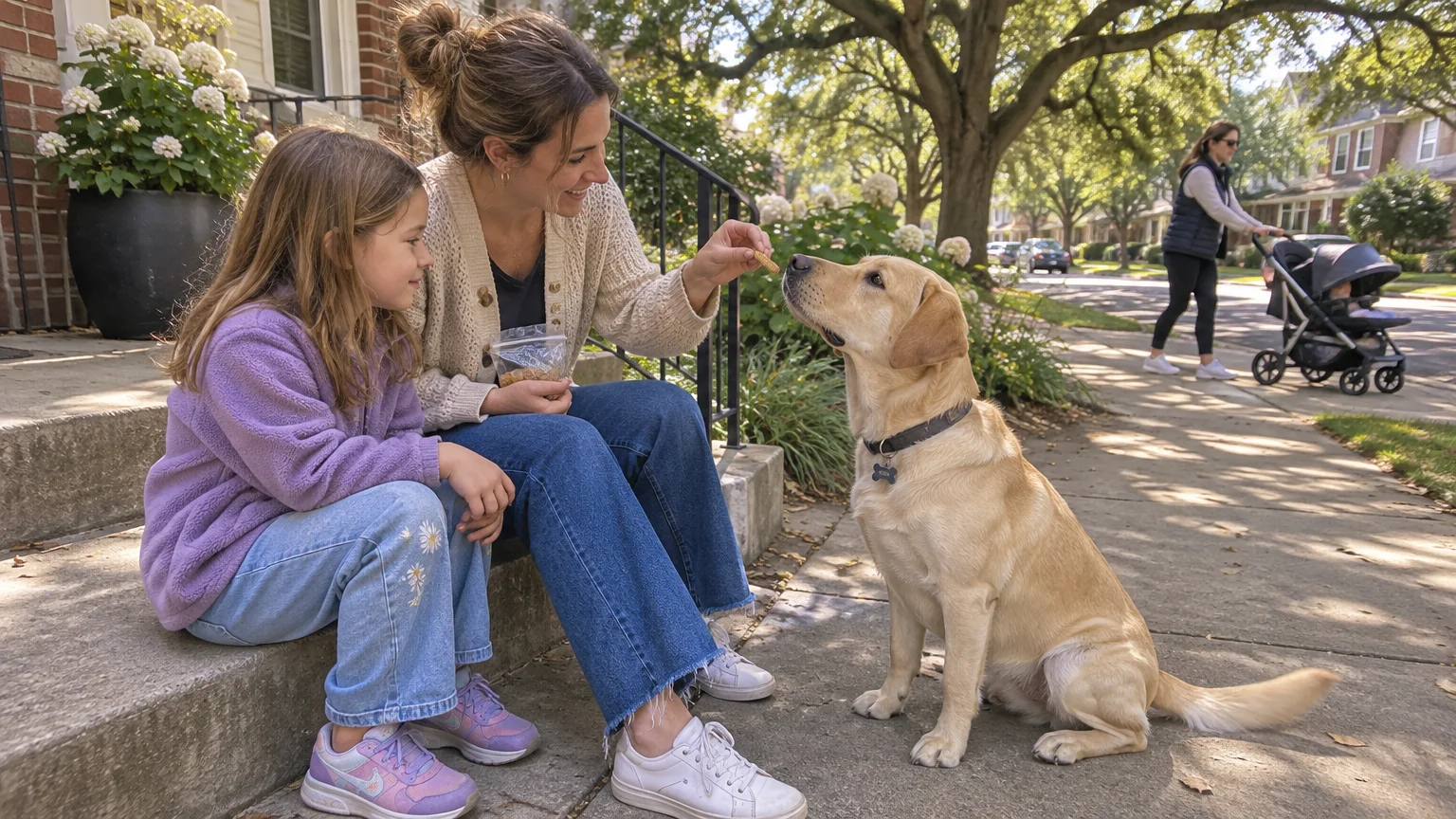
Introduce umbrellas, wheelchairs, bicycles, smooth tile, gentle strangers, and calm vaccinated dogs at a relaxed pace. Pair every new sight with tiny food rewards so curiosity stays stronger than fear.
Positive Reinforcement Coaching Step by Step
Gentle dogs respond best to clear communication and immediate rewards rather than harsh corrections. Start by teaching polite greetings before jumping becomes an ingrained habit.
Ask guests to stand quietly with hands folded while you wait for all four of your dog’s paws to touch the floor. The instant your dog sits or stands calmly, praise warmly and toss a treat onto the rug to reset attention downward.
Next, build a reliable leave it cue for dropped food or tempting sidewalk finds. Hold a boring treat inside a closed fist, wait patiently until your dog turns its nose away, then mark the choice with praise and reward from your other hand.
Finally, teach a calm settle on a washable bath mat during family dinners. Reward your dog every few seconds for resting chin-down on the mat, gradually stretching the quiet time between treats.
Kid-Safe Habits for Every Sweet Dog
Even the most patient family companion needs clear personal space around children. Roughly 4.5 million dog bites happen each year in the United States according to the Texas Veterinary Medical Foundation, and the AVMA notes about half of bite victims are children.
The AVMA stresses that breed does not determine whether a dog will bite, since any dog can react if scared, hurt, or guarding valuables. Following practical dog bite prevention habits from the AVMA protects everyone under your roof.
The CDC emphasizes that young children should never be left unsupervised with any dog, including a beloved family pet. Teach kids to leave dogs completely alone while they eat, sleep, chew a toy, or rest inside a crate.
Learn subtle stress signals such as lip licking, whale eye, yawning when not tired, or turning the head away. Stepping in kindly when you spot early discomfort shows your dog that you always have its back.
Community, Adoption, and Budgeting Smarts
Building a support network before problems pop up makes daily dog care smoother and far less stressful. Remember that since breed explains only 9% of behavioral variation, wonderful companions wait in every corner.
Browse local municipal shelters, breed-specific rescues, or national adoption directories through the ASPCA to meet adult dogs whose personalities are already clear. Shelter staff and foster volunteers often know whether a dog loves cats, car rides, or quiet mornings.
Look for credentialed trainers who rely on reward-based methods and transparent welfare policies. When shopping for gear on a budget, prioritize a snug Y-front harness that frees shoulder movement and tough rubber chews sized properly to prevent choking.
Set aside a realistic monthly care fund right from adoption day. Americans spent $158 billion on pets in 2025 and are projected to spend $165 billion in 2026, including $42.4 billion on veterinary care and products, per the American Pet Products Association.
Individual households spend an average of $1,533 per year on essential dog expenses according to Forbes Advisor. Ask your veterinary clinic whether they offer veterinary telehealth check-ins for minor rashes or diet questions between annual exams.
Frequently Asked Questions About Best Companion Dogs
How do I travel smoothly with an affectionate dog?
Practice short five-minute car rides to fun parks before attempting a highway trip. Always secure your dog with a crash-tested harness or anchored crate, pack familiar water from home, and schedule stretch breaks every two hours.
Can sweet-natured dogs live peacefully with cats or other pets?
Yes, though careful management matters more than breed stereotypes. Use baby gates for gradual scent swaps, reward calm glances rather than staring, and give cats high shelves or escape routes where dogs cannot follow.
How can I keep annual dog care affordable without cutting corners on health?
Prioritize preventive care like vaccines, heartworm preventives, and lean portion control to avoid costly emergency illnesses later. Buy durable basic toys, groom gently at home between trims, and compare pet insurance or dedicated savings funds early.
What belongs in an emergency readiness plan for my dog?
Pack a grab-and-go bag holding three days of food and water, spare leashes, current vaccination records, and a week of prescription medications. Keep microchip contact details updated and write down two nearby boarding facilities or pet-friendly hotels.
Try a Quiet Bonding Ritual Tonight
Raising one of the sweetest dog breeds does not require fancy gadgets or rigid schedules. Small moments of clarity, steady routines, and gentle affection build lifelong trust.
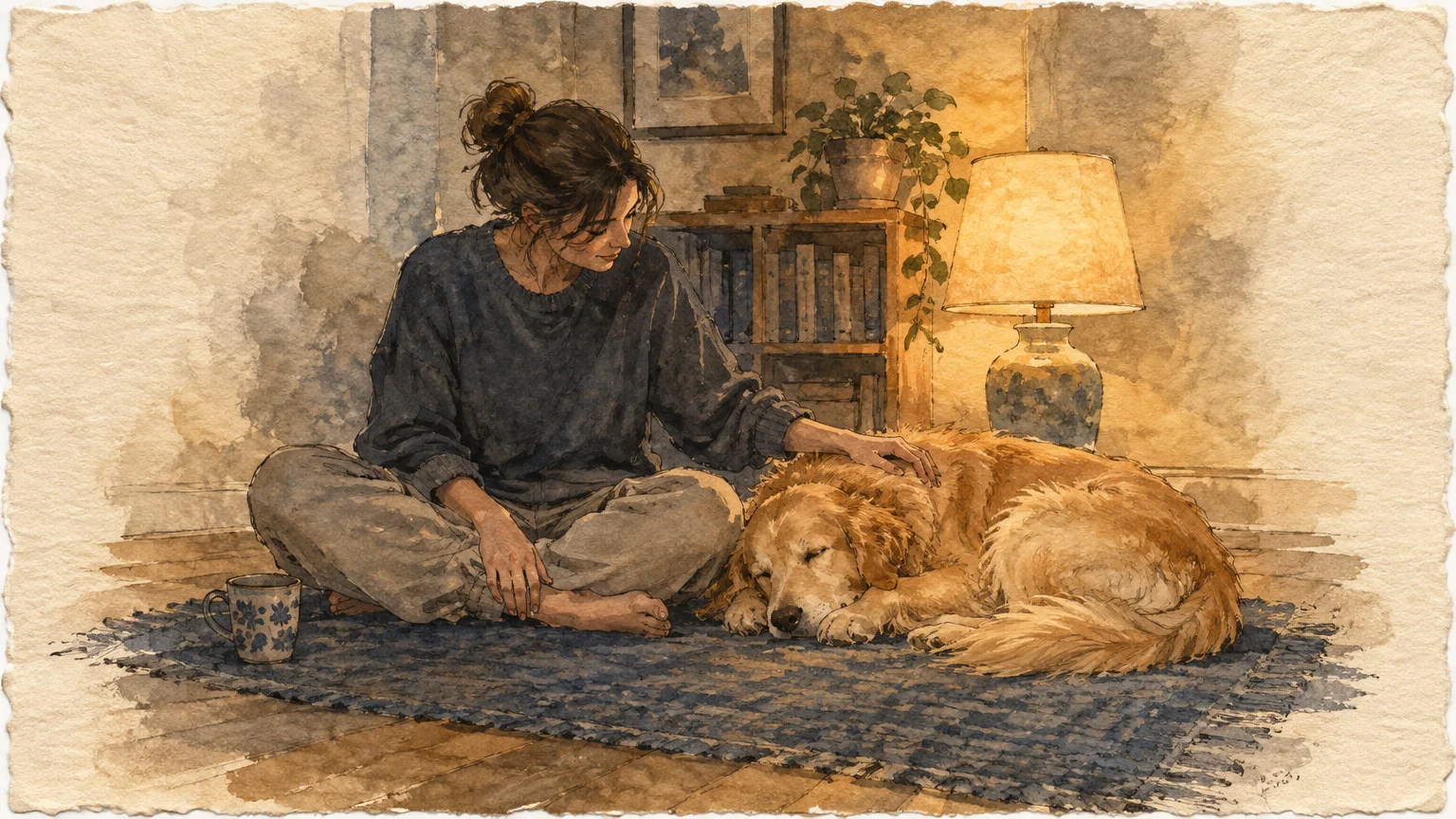
Tonight, take five unhurried minutes to scatter a pinch of your dog’s dinner kibble across a folded towel for a calm sniff search. Sit nearby, meet those soft eyes when your dog looks up, and let that quiet warmth end your day on the happiest note.