Finding a chewed sneaker beside a wagging tail—or watching your Beagle ignore your voice for a squirrel—tests every pet parent’s patience. Still, learning why mischievous dogs act out gives you a practical way to turn daily chaos into calm cooperation.
Calling these companions naughty misses what modern canine genetics and behavioral science reveal about their brains. Many famous troublemakers are simply wired for independent work rather than instant obedience.
You can channel that bright energy without dulling your dog’s spark. Adjusting your feeding routines, enrichment, and coaching methods to match natural instincts transforms frustrating habits into genuine teamwork.
What Canine Science Reveals About Naughty Dog Breeds
Breed stereotypes crumble quickly once researchers look directly at canine DNA alongside household behavior. A landmark genomics study from the Broad Institute published in Science in April 2022 examined both purebred and mixed-breed companions.
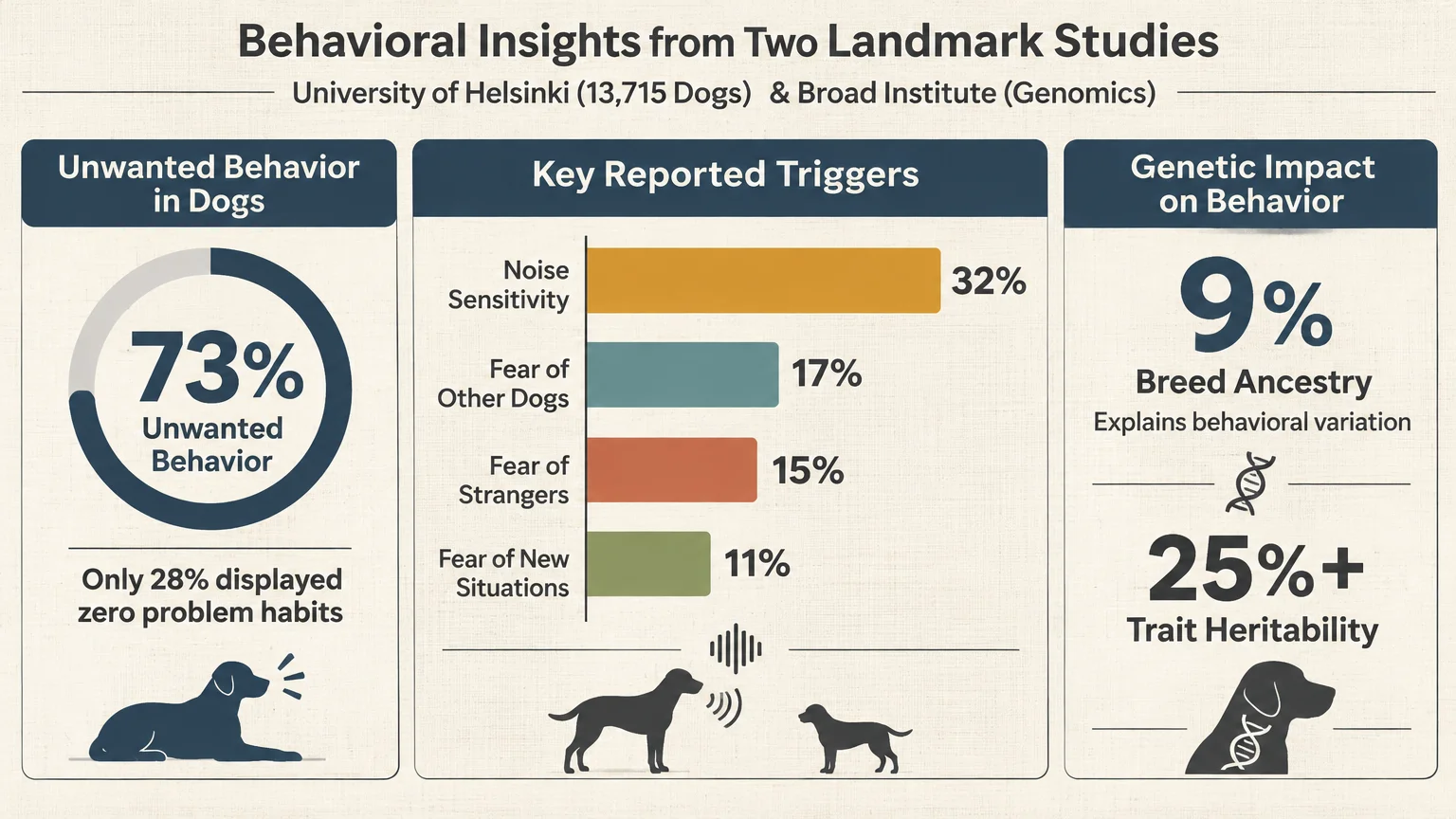
Researchers found that breed ancestry explains only 9% of the variation in measured behavioral traits, even though most individual traits are more than 25% heritable. Age, sex, and daily environment often predict your dog’s behavior far more reliably than pedigree.
That finding brings welcome news when you live with one of the famously stubborn dog breeds. Your companion’s genetics offer rough clues about natural urges, yet your home routines and training choices steer how those urges show up.
Unwanted habits are also much more ordinary than social media highlight reels suggest. A University of Helsinki survey of 13,715 Finnish pet dogs published in Scientific Reports in February 2020 found that 73% displayed at least one unwanted behavior.
Only 28% of surveyed dogs showed zero problem habits across seven studied traits. Noise sensitivity led at 32%, followed by fear of other dogs at 17%, fear of strangers at 15%, and fear of new situations at 11%.
Recognizing fear behind commotion changes how you respond during tense walks or noisy holidays. A dog barking frantically at delivery drivers rarely acts out of spite; more often, sensory overwhelm or insecurity triggers that noisy defense.
Follow-up University of Helsinki research published in Translational Psychiatry in October 2021 tracked over 11,000 dogs for restlessness and focus. Hyperactivity, impulsivity, and inattention appeared significantly more often in young dogs, male dogs, and companions left alone longer.
Those restless traits also frequently overlapped with compulsive habits, fearfulness, and aggression. Leaving energetic mischievous dogs under-stimulated all afternoon makes calm evening manners nearly impossible to maintain.
Later data from the same research group covering over 13,700 dogs across 264 breeds and mixes highlighted clear group patterns. Shepherds, terriers, and retrievers scored highest for hyperactivity and impulsivity overall.
Border Collies scored remarkably high on hyperactivity and impulsivity yet low on inattention, meaning they crave constant action while staying laser-focused. By contrast, terriers, Golden Retrievers, and Chinese Crested Dogs scored highest for inattention.
Understanding whether your dog struggles with high arousal or short attention helps you pick better training strategies. Fast, high-energy dogs need structured decompression, while easily distracted pups thrive on ultra-short lessons in quiet rooms.
The Famous Mischief Makers and Why They Rank There
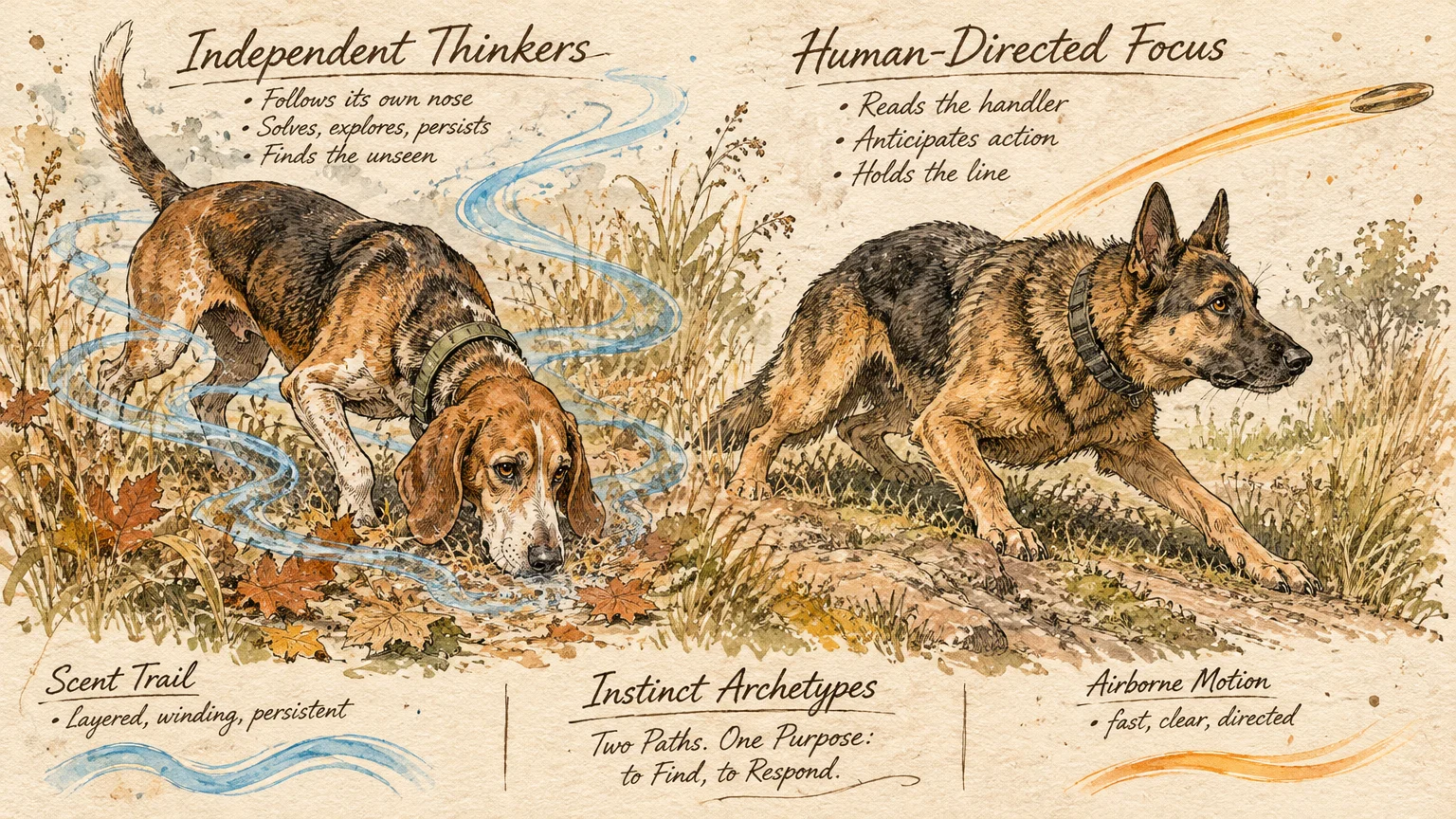
Independent Thinkers vs. Human-Directed Obedience
Lists of hard to train dog breeds almost always trace back to psychologist Stanley Coren’s classic rankings in The Intelligence of Dogs. Surveying 199 North American obedience trial judges, Coren evaluated how quickly different breeds mastered formal commands.
Eleven breeds landed in ranks 70 through 79, requiring 80 to 100 or more repetitions to learn a new cue. Those breeds also obeyed on the first command 25% of the time or less during structured trials.
Starting at rank 70 sits the Shih Tzu, followed by the Basset Hound at 71 and a tie between the Mastiff and Beagle at 72. Next come the Pekingese at 73, Bloodhound at 74, and Borzoi at 75.
Rounding out the bottom four ranks are the Chow Chow at 76, Bulldog at 77, Basenji at 78, and Afghan Hound at 79. Meanwhile, top-tier performers led by Border Collies, Poodles, German Shepherds, Golden Retrievers, and Doberman Pinschers learned in fewer than five repetitions.
Those top obedience stars obeyed on the first cue at least 95% of the time in trial rings. Yet canine cognition researchers Arden, Bensky, and Adams cautioned in 2016 that no validated dog IQ test exists.
Coren’s scale measures human-directed compliance rather than independent problem-solving talent. A Basenji unlocking your pantry or a Bloodhound tracking a hiker through dense brush displays sharp reasoning, even if neither cares to heel repeatedly for zero payoff.
Why Headstrong Breeds Stay Wildly Popular
Obedience trial rankings clearly do not scare pet parents away from bold personalities. In the 2025 American Kennel Club registration rankings announced in March 2026, the French Bulldog claimed the top U.S. spot for the fourth consecutive year.
The spunky, independent Dachshund climbed to fifth place—its highest ranking since 2003—pushing the Poodle into sixth. In the 2024 rankings, vocal Beagles held seventh place while famously opinionated Bulldogs sat comfortably at ninth.
Small footprints, expressive faces, and comedic confidence make these breeds irresistible apartment and family companions. Trouble starts only when charming puppy stubbornness matures into 25 or 50 pounds of unguided determination pulling you down icy sidewalks.
Puppy Chaos and Social Media Fame
Even supposedly eager-to-please breeds create legendary household mayhem during puppyhood. A 2025 PetHelpful report ranking the naughtiest puppy breeds examined behavioral complaints alongside home repair costs.
Yorkshire Terriers claimed first place overall, trailed closely by Labrador Retrievers in second and a tie between Poodles and Dachshunds in third. German Shepherds took fifth, Australian Shepherds sixth, Beagles seventh, and Golden Retrievers eighth.
Take that as a practical warning if you assume a retriever automatically behaves gently indoors. Without structured chewing outlets and steady supervision, bored working puppies happily redecorate table legs and drywall regardless of their obedience reputation.
Social media habits confirm how broadly dog behavior problems span across fluffy companion mixes too. A November 2021 Protect My Paws analysis of 87,886 Instagram posts compared angelic hashtags against cheeky, muddy, and mischievous tags.
Japanese Spitz topped the cheeky list with 86.67% mischievous posts, followed by Shichons at 78.38% and Mudis at 77.27%. Cockapoos followed closely at 76.55%, with Wirehaired Vizslas right behind at 76.19%.
Every breed brings its own flavor of trouble when daily mental needs go unmet. Rather than hunting for a faultless dog, aim to understand the exact instincts driving your companion’s favorite pranks.
Pet Profile: Decoding Breed Instincts, Age, and Health
Working Drives Behind Stubborn Habits
History explains why scent hounds like Beagles, Basset Hounds, and Bloodhounds suddenly turn deaf at the park. Centuries of selective breeding taught them to tune out everything except ground-level scent trails, so calling loudly rarely competes with fresh rabbit tracks.
Terriers, Yorkshire Terriers, and Dachshunds carry equally fierce instincts bred for underground pursuit. Digging up flowerbeds, shredding stuffed toys, and barking at backyard rustles satisfy urges that once kept farms free of burrowing pests.
Sighthounds such as Afghan Hounds and Borzois react instantaneously to fast movement across open ground. Primitive companions like Basenjis and Chow Chows keep guarded social boundaries, favoring calm consent over eager crowd-pleasing.
Short-muzzled favorites including French Bulldogs, Bulldogs, Pekingese, and Shih Tzus often struggle with frustration tolerance rather than high stamina. Because overheating hits them fast, short indoor brain games serve them far better than long runs.
Herding and retrieving powerhouses—think Australian Shepherds, German Shepherds, Labradors, and Golden Retrievers—crave collaborative tasks. When denied daily problem-solving, they invent their own games by herding children’s ankles or carrying stolen laundry through every room.
Age and Pain as Hidden Triggers
Developmental stage shapes mischief just as strongly as heritage does. In the Royal Veterinary College pandemic puppy cohort, 97% of owners reported at least one problem behavior by 21 months of age.
Leash pulling topped the complaints at 67%, followed by jumping up at 57%, poor recall at 52%, and separation-related behavior at 30.9%. Roughly 33% of those owners admitted training felt harder than expected.
Adolescent dogs between six and twenty-four months experience surging hormones and shifting curiosity that temporarily scramble polite puppy habits. Patience and steady management get most families smoothly past those turbulent teenage months.
When defiance, irritability, or house-soiling appears suddenly in an adult or senior dog, check physical health before blaming temperament. The British Veterinary Association advises consulting a veterinarian first whenever sudden or persistent misbehavior arises.
Hidden ear infections, dental fractures, digestive cramps, and early joint arthritis make gentle companions snap during brushing or resist climbing stairs. Treating physical pain frequently restores calm cooperation faster than repeating extra obedience sessions.
Your Daily Playbook for Mischievous Dogs
Nutrition and Brain-Friendly Feeding
Balanced nutrition builds the steady blood sugar and gut comfort needed for self-control. Choose complete, age-appropriate diets backed by veterinary nutrition standards, and avoid overly sugary commercial treats that spark brief energy spikes followed by crankiness.
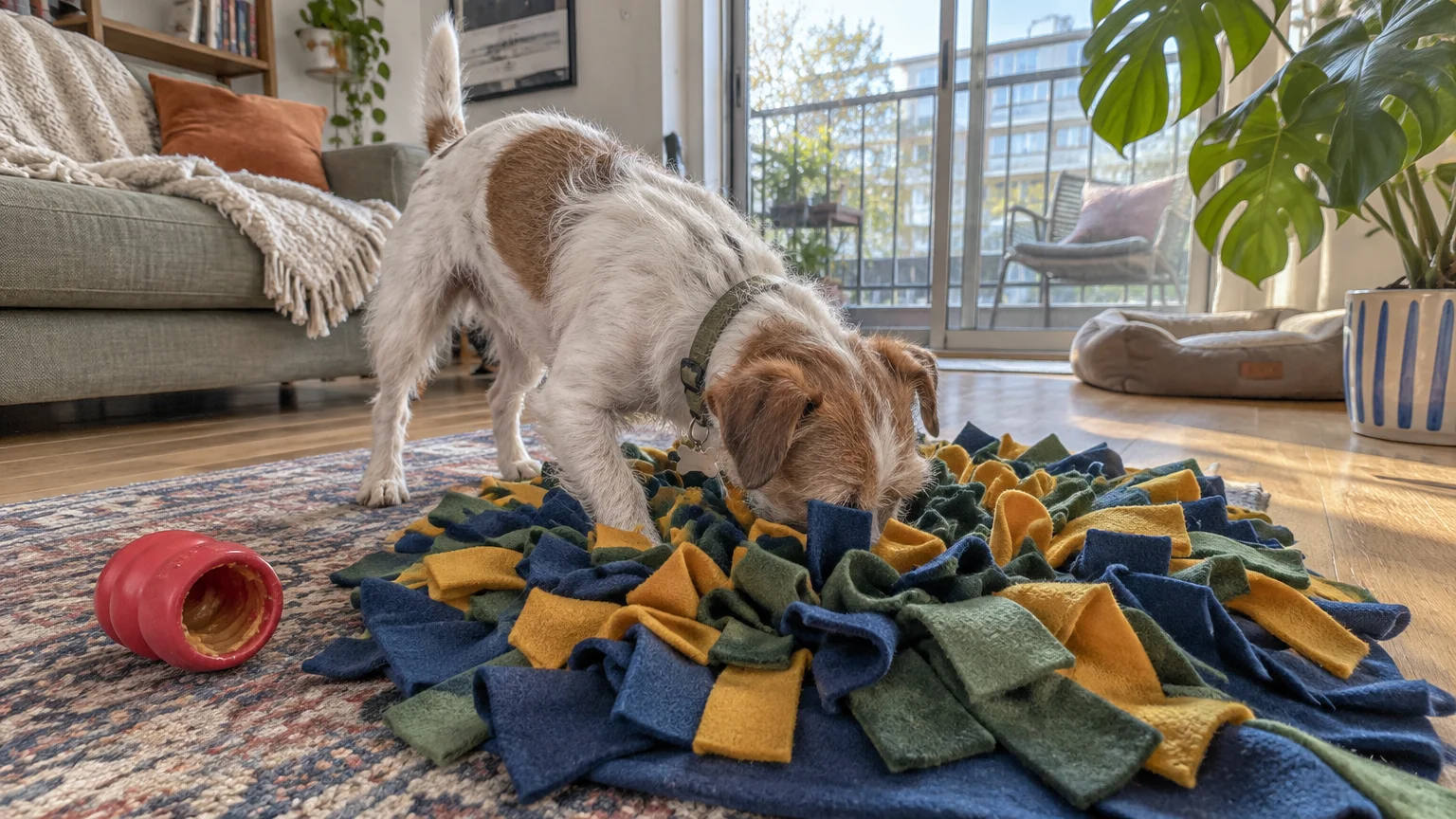
You can double your dog’s mental enrichment without spending extra minutes training by retiring plain food bowls for at least one meal daily. Serve measured kibble inside heavy, non-slip rubber puzzles or food-grade silicone lick mats suited to your dog’s chewing strength.
Budget-friendly DIY puzzles work just as effectively as pricey store toys. Roll dry kibble inside an old cotton bath towel, tuck paper-wrapped snacks into recycled cardboard tubes, or place tennis balls over muffin tin cups.
Keep training rewards roughly the size of a split pea so your dog enjoys dozens of repetitions without gaining unhealthy weight. Subtract heavy training treat totals from dinner portions to protect joint health across every life stage.
Exercise and Scent-Driven Enrichment
High-speed ball chasing floods restless brains with adrenaline, often leaving impulsive dogs even wilder back indoors. Swap frantic fetch sessions several days weekly for slow decompression sniffaris using a 10-to-15-foot flat leash attached to a supportive Y-front harness.
Allowing a Beagle, Dachshund, or Australian Shepherd twenty uninterrupted minutes to inspect safe bushes and grass lowers arousal naturally. Sniffing taps deep canine brain pathways, delivering deeper contentment than jogging endlessly beside a bicycle.
For intense herders and retrievers, build clear rules into active tug or fetch games by asking for a calm sit before each throw. Pair the end of active play with a soothing chew or lick mat so excited brains shift smoothly toward rest.
Remember the Helsinki finding linking long solo hours to impulsivity and hyperactivity. If workdays stretch long, arrange a midday dog walker or trusted neighbor visit so restless companions never stew in boredom until dinner.
Mastering the Early Socialization Window
Preventing adult reactivity starts far earlier than many new puppy parents realize. Both the American Veterinary Society of Animal Behavior and VCA Animal Hospitals identify 3 to 14 weeks as the primary puppy socialization window.
Rather than isolating puppies indoors until every booster finishes, begin carefully managed outings seven days after their first vaccinations. Carry small pups through calm storefronts or invite vaccinated, gentle adult dogs over while skipping unsanitized public dog parks.
Pair every novel sound, umbrella, textured surface, and friendly stranger with tiny treats at a comfortable distance. Positive early impressions teach curious puppies that strange sights predict safety rather than danger.
Continued education remains surprisingly rare once dogs grow past baby teeth. The Dogs Trust National Dog Survey 2025 of over 340,000 owners revealed that only 36% of dog owners have ever attended a training class.
Class participation peaked at 37% for puppies under one year, dropped to 11% across all dogs in a 12-month period, and fell to 5% by age five. Meanwhile, 40% of owners reported worrying about how other people’s dogs behave.
Enrolling in friendly adult manners classes or nosework workshops keeps polite habits sharp well into adulthood. Treating training as ongoing enrichment helps stubborn dog breeds stay confident around neighborhood surprises.
Training and Communication That Actually Work
Why Reward-Based Coaching Beats Punishment
Old-fashioned dominance myths push frustrated owners toward leash jerks, shouting, and harsh corrections that backfire badly. In its 2021 humane training position statement, the American Veterinary Society of Animal Behavior recommends reward-based coaching and notes zero evidence that aversive tools are necessary.
Yet outdated methods persist in plenty of households, often alongside worsening dog behavior problems. The PDSA Animal Wellbeing Report 2024 noted that 22% of owners used at least one aversive training method, while 16% reported growling, snapping, or biting.
A year earlier, the 2023 PDSA report found that 48% of surveyed veterinary professionals observed rising euthanasia rates on behavioral grounds. Harsh corrections suppress warning growls while amplifying underlying panic, turning manageable mischief into dangerous escalation.
Electric shock collars pose documented stress hazards even when marketed as gentle reminders. DEFRA-funded research cited by The Royal Kennel Club showed 25% of dogs trained with shock collars exhibited clear signs of stress, compared to fewer than 5% trained without them.
According to the RSPCA and May 2026 Vet Times coverage, shock collars have been banned in Wales since 2010 yet remain legal in England as of late 2026. Skip punitive gadgets completely and build trust with clear, motivating rewards.
Step-by-Step Cues for Hard-to-Train Breeds
Start by ranking what truly motivates your specific dog instead of expecting plain kibble to beat neighborhood squirrels. Diced cooked chicken, tiny cheese cubes, or a brief squeaky-toy chase work wonders when coaching independent hounds or distracted terriers.
Keep formal lessons down to three or four minutes twice daily before meals. Short, upbeat bursts prevent mental fatigue in breeds prone to inattention and leave your companion eager for the next round.
Fix leash pulling without tugging back by freezing like a statue the instant slack disappears from the line. Wait quietly for your dog to glance toward you, mark that choice with a cheerful word, reward beside your thigh, and resume walking.
Rebuild unreliable recall indoors first by tossing one treat across the hallway, then cheering loudly and paying with three treats when your dog sprints back. Practice outside on a 15-foot long line before ever testing unenclosed fields.
Separation panic needs gentle desensitization rather than harsh crates or long crying sessions. A 2025 re-analysis of over 43,000 U.S. dogs in the Dog Aging Project found about 9% display moderate to severe separation-related behavior, while 24% of newly adopted dogs show separation distress in their first months home.
Meanwhile, the 2024 PDSA report found 19% of dogs spent five or more hours alone on typical weekdays. Ease mild departure worry by rehearsing boring triggers—grabbing keys or putting on shoes—without actually walking out the door.
Once those triggers draw sleepy yawns instead of pacing, step outside for ten calm seconds and return before barking begins. Gradually stretch solo minutes over weeks while leaving soothing stuffed chew toys behind.
Community, Professional Support, and Real Costs
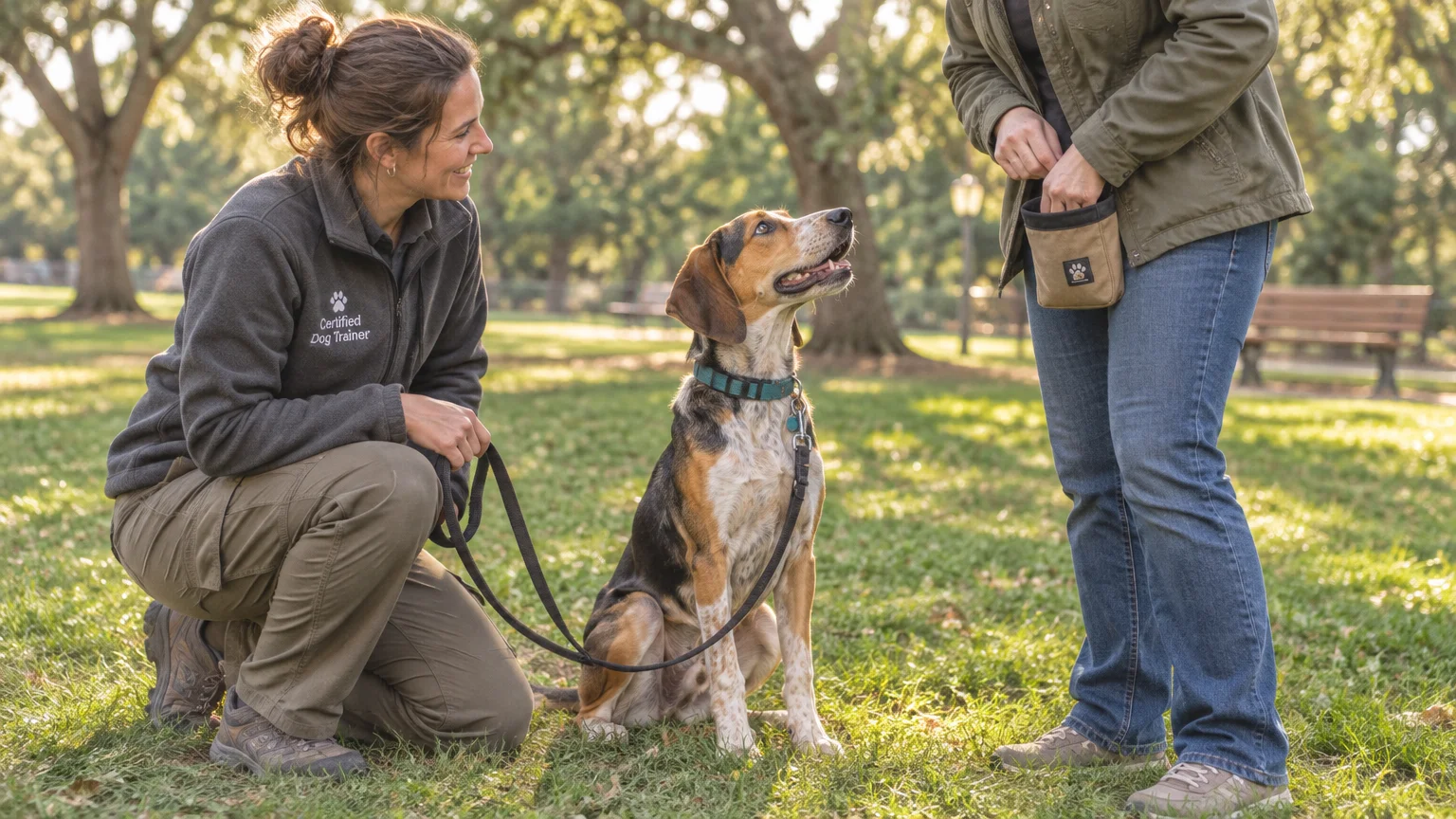
Asking for expert backup early saves furniture, money, and emotional strain when tricky habits spiral. Before booking help, understand that dog training remains an unregulated field where anyone can advertise services without formal education.
As the San Francisco SPCA notes, regular trainers cannot diagnose medical or psychiatric behavioral disorders. Look for transparent credentials emphasizing force-free, reward-based methods, and observe one class before enrolling whenever possible.
If your dog struggles with severe panic, resource guarding, compulsive spinning, or biting, partner with a board-certified veterinary behaviorist. These licensed veterinarians possess specialty training to rule out physical disease and prescribe targeted medication alongside behavior plans.
Planning realistically for professional fees prevents sticker shock during your pup’s rowdy teenage stretch. Recent 2026 U.S. cost estimates show group puppy classes run roughly 100 to 300 dollars per course, while private obedience coaching averages 70 to 200 dollars hourly.
Specialized behavior modification for reactivity or aggression typically costs 100 to 300 dollars or more per session. Multi-session packages average 300 to 950 dollars for five to ten basic in-home visits, whereas comprehensive reactivity or aggression programs run 800 to over 3,500 dollars.
Lean on breed-specific rescue groups, local humane society behavior helplines, and veterinary telehealth platforms for affordable troubleshooting between sessions. Connecting with fellow guardians of cheeky hounds or intense herding dogs reminds you that imperfect progress still deserves celebration.
Frequently Asked Questions About Stubborn and Mischievous Dogs
How can I travel smoothly with an impulsive or vocal dog?
Acclimate your dog to a crash-tested travel crate or certified seatbelt harness during cheerful five-minute drives to quiet parks weeks ahead of long road trips. Pack familiar unwashed bedding, portable white-noise speakers for hotel rooms, and frozen chew toys to calm arrival excitement.
Schedule potty and sniffing breaks every two hours in quiet, grassy rest zones away from bustling highway dog pens. Ten slow minutes exploring new grass helps vocal hounds and excitable terriers settle peacefully in the backseat afterward.
How do I manage a naughty dog in a multi-pet household?
Install sturdy baby gates, exercise pens, and separate meal stations so boisterous puppies or food-guarding dogs never corner older pets or cats. Guaranteeing protected resting areas lowers household friction and prevents sneaky bowl-raiding before bad habits solidify.
Practice impulse-control games with each pet separately for five minutes before asking everyone to relax quietly on separate mats across one room. Paying generously for calm ignoring teaches mischievous dogs that peaceful coexistence beats pestering housemates.
How can I budget for training when professional help feels expensive?
Begin with a 100-to-300-dollar group puppy or manners course, which puts certified coaching within reach at far lower cost than private lessons. Many local humane societies and municipal shelters also host sliding-scale workshops, low-cost clinics, and free phone behavior hotlines.
Ask your regular clinic about brief veterinary telehealth check-ins to triage mild anxiety or sudden habits before booking specialist programs. Pairing affordable rolled-towel puzzles with focused group instruction builds sturdy manners without draining savings.
What belongs in an emergency plan for a dog with behavior challenges?
Assemble a ready-to-grab kit holding a fitted flat collar, spare slip lead, properly sized basket muzzle if needed, vaccination copies, and high-value treats. Include a laminated card detailing specific triggers, handling boundaries, medication schedules, and your veterinarian’s contact numbers.
Choose a trusted friend or relative who already practices calm walks with your dog while everything at home runs smoothly. Confirming a backup caregiver or fear-free boarding kennel ahead of time protects sensitive companions during unexpected hospital stays or weather evacuations.

Start a Calmer Bonding Ritual Tonight
Your mischievous companion is never plotting against your rugs or mocking your recall whistle out of spite. Those bold instincts simply ask for clear boundaries, sniff-rich outlets, and patient rewards that make sense to a canine brain.
Tonight, skip frustrating obedience drills and set up a joyful five-minute treasure hunt by hiding three tiny treats inside a loosely rolled towel. Watch your dog unravel the puzzle nose-first, and smile at the clever personality sharing your home.