Picture a rainy Tuesday evening when your dog happily curls beside your knees after a quick ten-minute stroll around the block. You skip the muddy two-mile trek and still share deep, calm companionship.
Choosing from dog breeds happy with short walks lets you match your pet’s natural pace to your real schedule. Whether you live in a compact city flat or prefer gentler daily routines, low-energy companions thrive on brief outings.
This guide explores nine breeds built for shorter strides, plus veterinary safety rules and indoor enrichment habits. You will learn how to keep your laid-back dog healthy, mentally sharp, and deeply bonded without exhausting marathons.
Why Low-Energy Dog Breeds Fit Modern Life
Across the United States, families now care for 88.9 million pet dogs according to the 2026 AVMA Pet Ownership and Demographics Sourcebook. Many of those households live in apartments, work busy shifts, or prefer relaxed neighborhood loops over rugged trail runs.
You do not need an ultra-marathon runner to enjoy the health rewards of dog companionship. The Royal Kennel Club groups pedigree dogs into four official exercise tiers, and its two lowest categories require only up to 30 minutes or up to 1 hour daily.
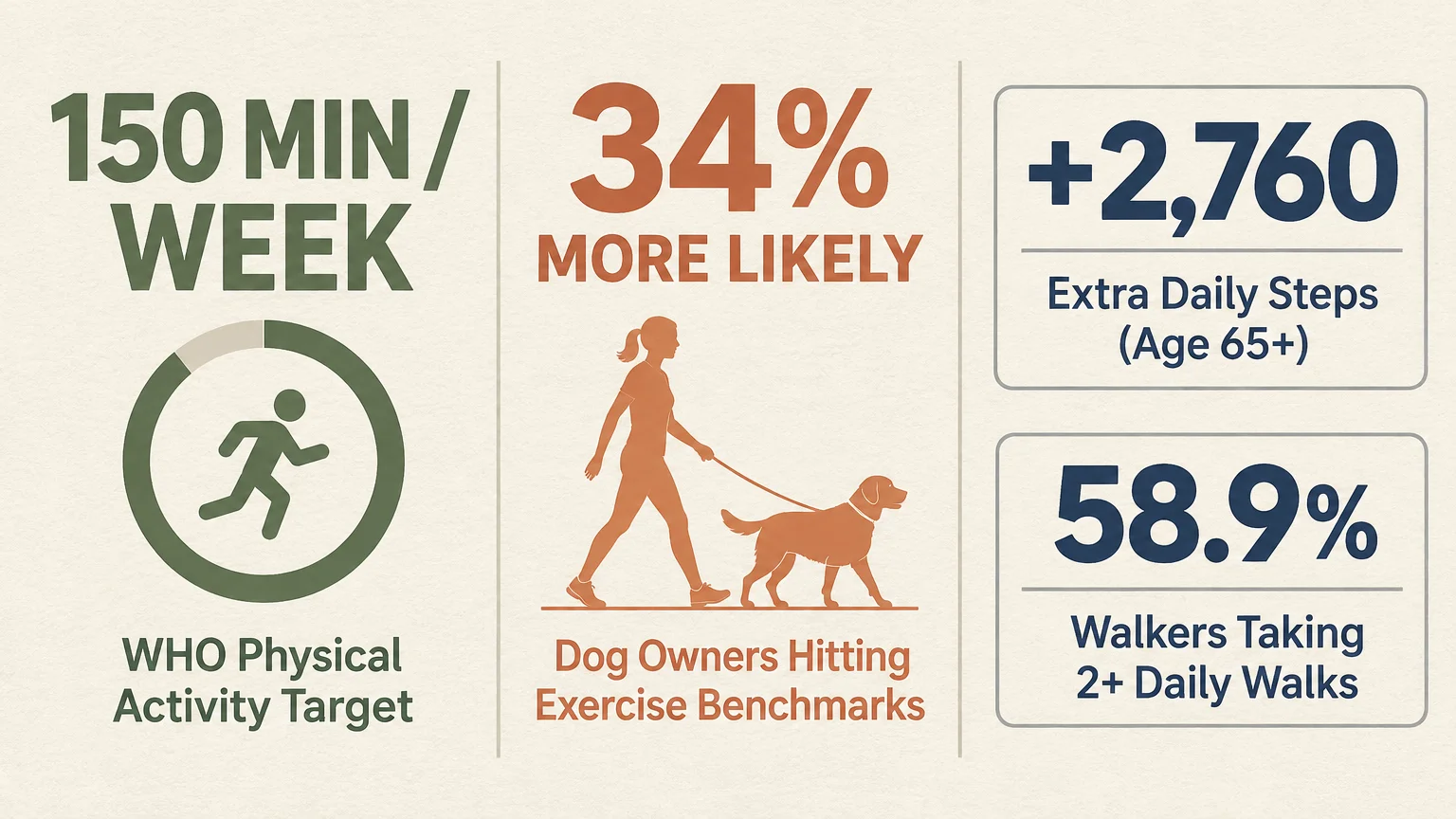
Even brief, consistent outings deliver measurable wellness gains for human companions. Health guidelines from the World Health Organization recommend at least 150 minutes of moderate physical activity each week.
Research from the American Heart Association shows that dog owners are 34 percent more likely to hit that 150-minute weekly walking benchmark than non-owners. Short, predictable strolls add up faster than most busy pet parents expect.
Big Health Perks for Older Adults and City Dwellers
Gentle daily walks make these companions some of the best dogs for seniors seeking steady movement without joint strain. A 2017 study by Dall and colleagues found that dog owners aged 65 and older walked an average of 22 extra minutes daily.
Those older adults also logged 2,760 additional steps per day, nearly meeting weekly activity targets through routine pet care alone. You gain structure, fresh air, and social connection right outside your front door.
Data published in The Gerontologist using National Institute on Aging records revealed similar benefits for adults aged 50 and older. People who actively walked their dogs averaged 30-minute outings and reported lower body mass, fewer chronic conditions, and fewer doctor visits.
Crucially, those health advantages came directly from walking the dog rather than passive ownership. Even better, CDC walking analyses show 58.9 percent of studied U.S. dog walkers take two or more walks daily, breaking movement into manageable ten-minute bursts.
The 9 Best Dog Breeds for Short Walks
Every dog needs daily mental engagement and fresh air, yet physical stamina varies dramatically across breeds. Selecting apartment friendly dogs with naturally lower exercise thresholds prevents boredom-driven chewing and keeps your daily routine realistic.
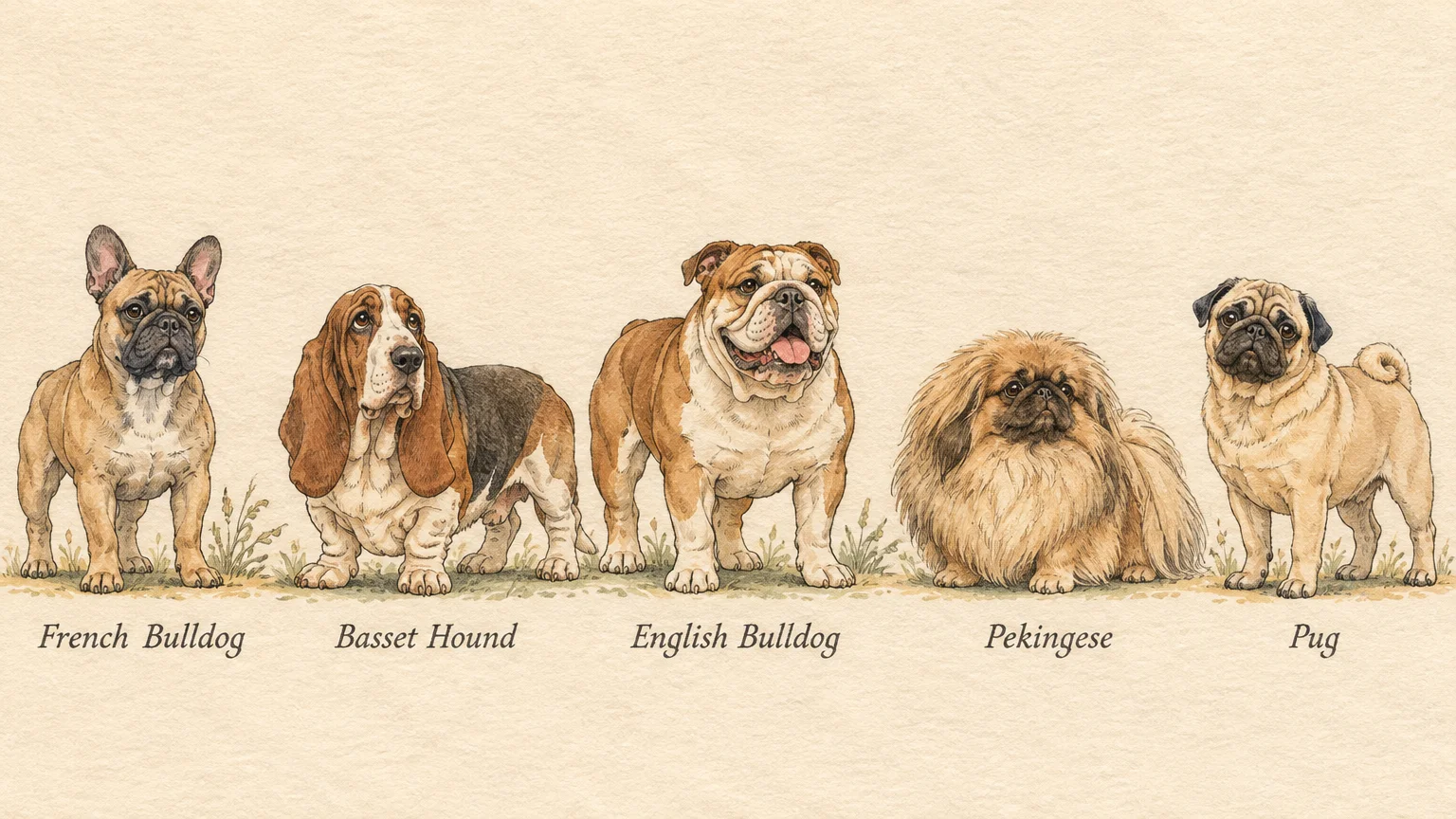
The nine breeds below span tiny lap companions to surprisingly mellow gentle giants. Each profile includes official size ranges, lifespan estimates, and key care priorities to help you choose with confidence.
1. French Bulldog
Compact, expressive, and famously adaptable, the French Bulldog held the top registration spot with the American Kennel Club for four consecutive years from 2022 through 2025. Their greater than 1,000 percent registration surge between 2012 and 2022 mirrors the rise of urban apartment living.
Frenchies weigh under 28 pounds, stand 11 to 13 inches tall, and carry a moderate energy rating of three out of five. While the AKC lists their life expectancy at 10 to 12 years, UK RVC VetCompass records note a 9.8-year median lifespan.
The Royal Kennel Club places daily exercise needs at up to 1 hour per day, though one short daily walk plus brief indoor play satisfies most adults. Under AAHA guidelines, a French Bulldog reaches senior status at nine years old.
Because their shortened muzzles limit cooling efficiency, skip midday heat and protect their airways with a well-fitted harness. Keep sessions calm, shaded, and focused on sniffing rather than intense sprinting.
2. Cavalier King Charles Spaniel
Ranked the 14th most popular U.S. breed by the AKC, the Cavalier King Charles Spaniel blends silky elegance with an easygoing attitude. Adults weigh 13 to 18 pounds, stand 12 to 13 inches tall, and live 12 to 15 years.
Their Royal Kennel Club exercise tier caps out at up to 1 hour per day. Most Cavaliers happily adjust their pace to yours, enjoying a brisk morning loop followed by hours of quiet desk companionship.
Watch warm weather carefully with this gentle spaniel, as veterinary research flags higher heatstroke odds compared to longer-nosed breeds. Schedule regular cardiac checkups with your veterinarian, since heart health remains a core breed priority as they age.
3. Pug
Playful and devoted, Pugs measure 10 to 13 inches tall, weigh 14 to 18 pounds, and boast an AKC lifespan of 13 to 15 years. Their comical charm makes them classic lazy dog breeds for cozy living rooms.
The Royal Kennel Club categorizes Pug exercise at up to 1 hour daily, split comfortably into two brief strolls. Pugs love food almost as much as naps, so measure every meal carefully to keep weight off their joints.
A 2025 follow-up study from the Royal Veterinary College found Pugs face 2.7 times higher heatstroke odds than Labrador Retrievers. Stick to cool mornings, keep walks gentle, and wipe their facial folds clean after outdoor sniffing.
4. Shih Tzu
Originally bred as royal palace companions, Shih Tzus weigh just 9 to 16 pounds and stand 8 to 11 inches at the shoulder. With an impressive AKC life expectancy of 10 to 18 years, they make long-lasting partners.
Although the Royal Kennel Club lists their maximum exercise tier at up to 1 hour per day, veterinary guidance on PetMD notes a single 30-minute walk plus indoor play usually satisfies them. Their sturdy build handles apartment stairs well, though carrying older dogs protects aging backs.
Veterinary experts strongly advise clipping leashes to a supportive harness rather than a neck collar for this breed. Keeping pressure off their throat prevents coughing and makes leisurely sniff walks far more comfortable.
5. Basset Hound
If you want a larger dog without marathon demands, the Basset Hound delivers soulful eyes and laid-back composure. Weighing 40 to 65 pounds and standing up to 14 or 15 inches tall, Bassets live 12 to 13 years.
Despite their sturdy frames, the Royal Kennel Club lists their exercise requirement at up to 1 hour daily. Slow-paced scent walks let them follow intriguing neighborhood trails without overworking their long backs and heavy ears.
Protect a Basset Hound’s spine by using low-incline ramps for couches or vehicles and keeping their waistline lean. Carrying extra pounds strains short legs and diminishes their willingness to explore outside.
6. Greyhound
Few newcomers realize that retired racing sprinters rank among the calmest indoor roommates you can adopt. Standing 27 to 30 inches tall and weighing 60 to 70 pounds, Greyhounds enjoy a 10 to 13 year lifespan.
Although built to sprint near 45 miles per hour, Greyhounds are famous couch potatoes who spend hours napping between brief outings. Two relaxed 20-minute leash walks plus an occasional fenced zoom keep them deeply content.
Because they carry minimal body fat and thin coats, outfit your Greyhound in a snug sweater during winter chills. Veterinary heatstroke research also records elevated overheating risk in Greyhounds, so keep summer walks brief and shaded.
7. Chihuahua
Tipping the scales at up to 6 pounds and standing 5 to 8 inches tall, the Chihuahua fits effortlessly into studio apartments. Their AKC life expectancy spans 14 to 16 years, offering well over a decade of portable affection.
The Royal Kennel Club places Chihuahuas in its lowest exercise bracket of up to 30 minutes per day. Short hallway fetch sessions and a quick ten-minute potty stroll around the courtyard meet their physical needs.
Use a soft, escape-proof harness instead of a collar to safeguard their delicate windpipe. Socialize them gently around larger dogs so small-dog confidence stays polite rather than defensive.
8. Havanese
Cheerful, non-shedding, and eager to please, the Havanese weighs 7 to 13 pounds and lives 14 to 16 years according to the AKC. Their bright personality makes them wonderful companions for first-time pet parents and multi-generational homes.
Like Chihuahuas, Havanese fall into the Royal Kennel Club’s up to 30 minutes per day exercise group. They love learning clever tricks in your living room just as much as trotting beside you to the mailbox.
Budget fifteen minutes every few days for gentle brushing to keep their silky coat tangle-free. Regular grooming sessions double as calm bonding rituals and help you spot skin bumps early.
9. Pomeranian
Fluffy and alert, the Pomeranian stands 6 to 7 inches tall, weighs 3 to 7 pounds, and lives 12 to 16 years. Their compact footprint suits tight urban elevators and quieter daily schedules.
The Royal Kennel Club lists daily exercise for Pomeranians at up to 30 minutes per day. Two crisp neighborhood walks combined with indoor puzzle toys satisfy their curious minds without wearing out tiny paws.
Watch their heavy double coat during warm afternoons, since thick fur traps heat quickly close to sun-baked sidewalks. Consistent brushing removes trapped undercoat and keeps air circulating against their skin.
Your Daily Playbook for Short-Walk Companions
Shorter walks do not mean lower standards of care; they simply shift your focus toward smarter nutrition, temperature timing, and indoor brain games. Building a balanced daily rhythm protects your dog’s joints, heart, and emotional wellbeing.
Portion Control and Weight Protection
When dogs walk 20 to 30 minutes daily instead of two hours, excess calories turn into weight gain rapidly. According to the AKC, carrying excess weight can shorten a dog’s life expectancy by up to 2.5 years.
Extra pounds also drive up overheating danger during mild weather. Research from the Royal Veterinary College and Nottingham Trent University shows dogs at or above their breed’s average weight face 1.42 times higher odds of heat-related illness.
Replace random table scraps with measured kibble portions set aside each morning inside a dedicated treat jar. You reward good behavior all day without accidentally doubling your dog’s calorie intake.
Temperature Rules and Paw Safety
According to the RSPCA, dogs are 10 times more likely to suffer heat-related illness from exercising in hot weather than from overheating inside parked cars. The Royal Kennel Club likewise identifies exercise as the top trigger for canine heatstroke.
Most healthy dogs remain comfortable walking between 15 and 25 degrees Celsius, or 59 to 77 degrees Fahrenheit. However, veterinary charity PDSA advises adjusting walk schedules once daytime highs consistently pass 20 degrees Celsius, or 68 degrees Fahrenheit.
Flat-faced dogs face even tighter limits, as brachycephalic breeds can begin overheating at mild temperatures near 70 degrees Fahrenheit when humidity rises. A landmark VetCompass study of 905,543 UK dogs found brachycephalic breeds carry 2.10 times the heat-illness odds of mesocephalic dogs.
Compared to Labrador Retrievers, heat-related illness odds jumped 13.54 times higher in English Bulldogs, 5.8 times higher in French Bulldogs, and 2.7 times higher in Pugs. Shift walks to dawn or dusk whenever summer air feels sticky.
Protect sensitive paw pads before stepping onto asphalt. On a 77-degree Fahrenheit afternoon, sunlit tarmac can soar past 126 degrees Fahrenheit and blister paw pads within 60 seconds.
Press the back of your hand onto the pavement using the RSPCA five-second test or the Royal Kennel Club seven-second test. If the surface burns your skin before time runs out, stick to shaded grass or wait until sundown.
Mental Enrichment That Replaces Extra Miles
Ten minutes of focused sniffing tires a dog’s brain faster than thirty minutes of hurried heel walking. Let your companion pause at tree trunks and park benches to read neighborhood scent messages at their own pace.
Indoors, turn mealtimes into low-budget foraging games using items you already own. Roll kibble inside an old bath towel, tuck treats into cardboard egg cartons, or scatter dry food across a grassy yard.
Rotate three simple toys each week rather than leaving twenty plush animals strewn across the floor. Novelty sparks curiosity and keeps lazy dog breeds engaged without requiring vigorous physical exertion.
Gentle Socialization
Short walks still offer rich opportunities to build confidence around strollers, bicycles, and polite neighbor dogs. Keep greetings brief, read loose body language, and cross the street calmly whenever your dog looks overwhelmed.
Inviting one calm, vaccinated friend’s dog over for quiet porch time teaches polite manners without chaotic dog-park pressure. Quality interactions always beat crowded, overstimulating play sessions.
Training, Communication, and Gear Criteria
Positive reinforcement transforms brief walks into joyful teamwork. Rewarding tiny wins builds responsiveness while respecting your dog’s physical comfort.
Three Essential Cues for Short-Walk Dogs
Start with a relaxed loose-leash cue by marking and treating whenever your dog stands beside your leg with slack in the leash. Keep walks slow enough that your dog never feels rushed into pulling.
Next, teach a reliable drop or leave-it cue at home using low-value treats in your closed fist. Wait until your dog looks away from your hand, mark the choice, and reward from your opposite hand to build sidewalk safety.
Finally, practice a calm settle cue on a washable mat while you drink morning coffee. Apartment friendly dogs thrive when clear boundaries signal that hallway footsteps outside the door require zero barking.
Smart Harness and Gear Criteria Without the Markup
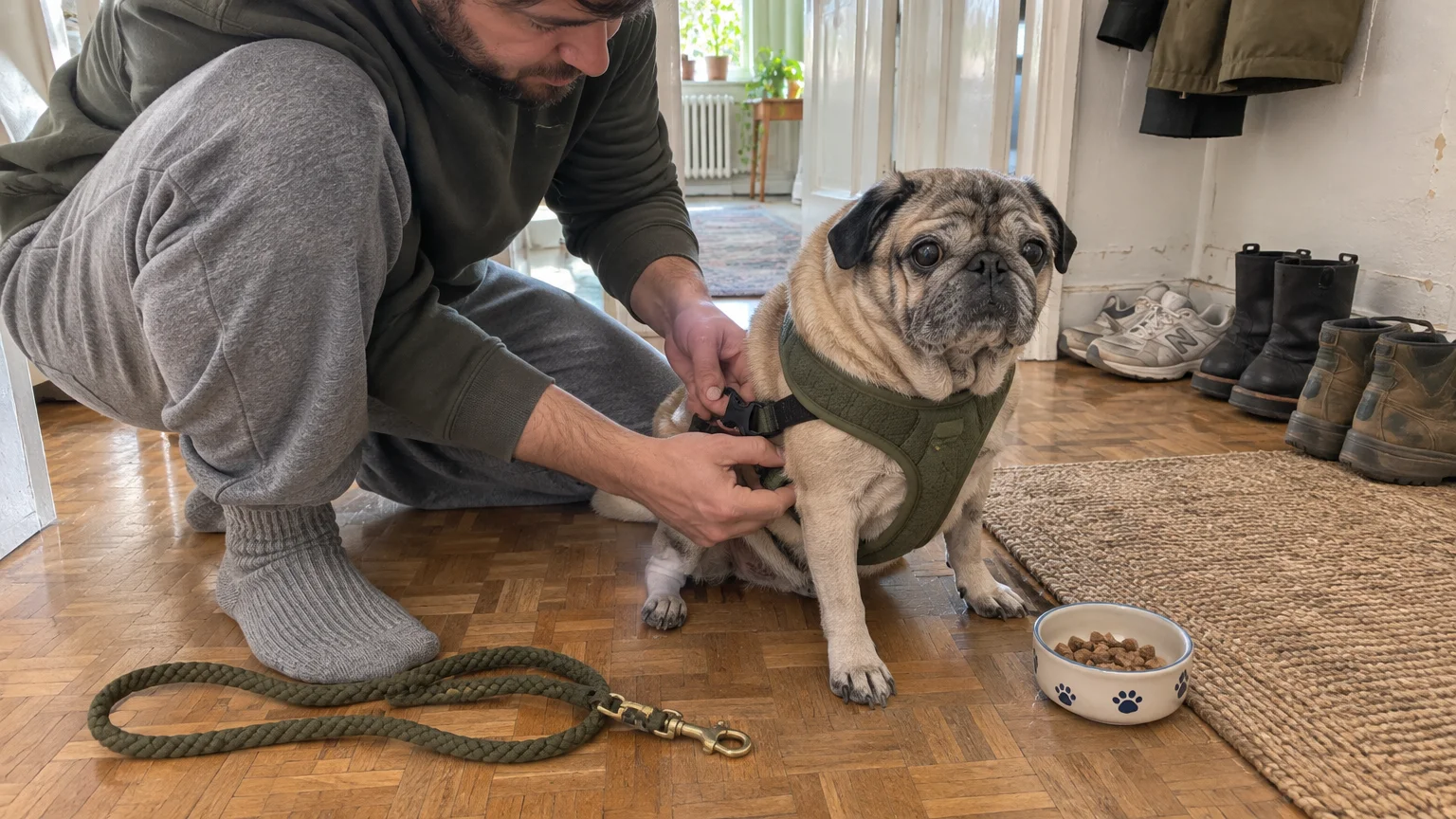
When shopping for walking gear, look for Y-shaped chest harnesses that leave shoulder joints completely free to swing. Avoid tight straight-across chest straps that restrict stride length or rub behind elbows.
Choose lightweight, breathable mesh padding over thick leather for warm-weather comfort, and verify that belly straps clear sensitive armpits by two fingers. The Royal Kennel Club recommends harnesses over neck collars in warm weather so leash tension never restricts panting.
Stick to a standard four-to-six-foot fixed nylon or biothane leash rather than retractable cords. Fixed leashes give you steady feedback near traffic and keep tiny breeds safely close in crowded elevators.
You do not need luxury designer accessories to keep a pet comfortable. Sturdy stitching, rust-proof metal clasps, and reflective trim matter far more than trendy logos.
Community, Adoption, and Veterinary Support
Raising a low-energy companion works best when you build a reliable support network before you need help. Local municipal shelters and breed-specific rescue groups regularly place adult Cavaliers, Greyhounds, Pugs, and mixed-breed seniors ready for calm homes.
Adopting an adult dog lets shelter staff share real energy observations rather than guessing puppy personalities. Ask foster caregivers about stair tolerance, vocal habits, and favorite nap spots before bringing your new companion home.
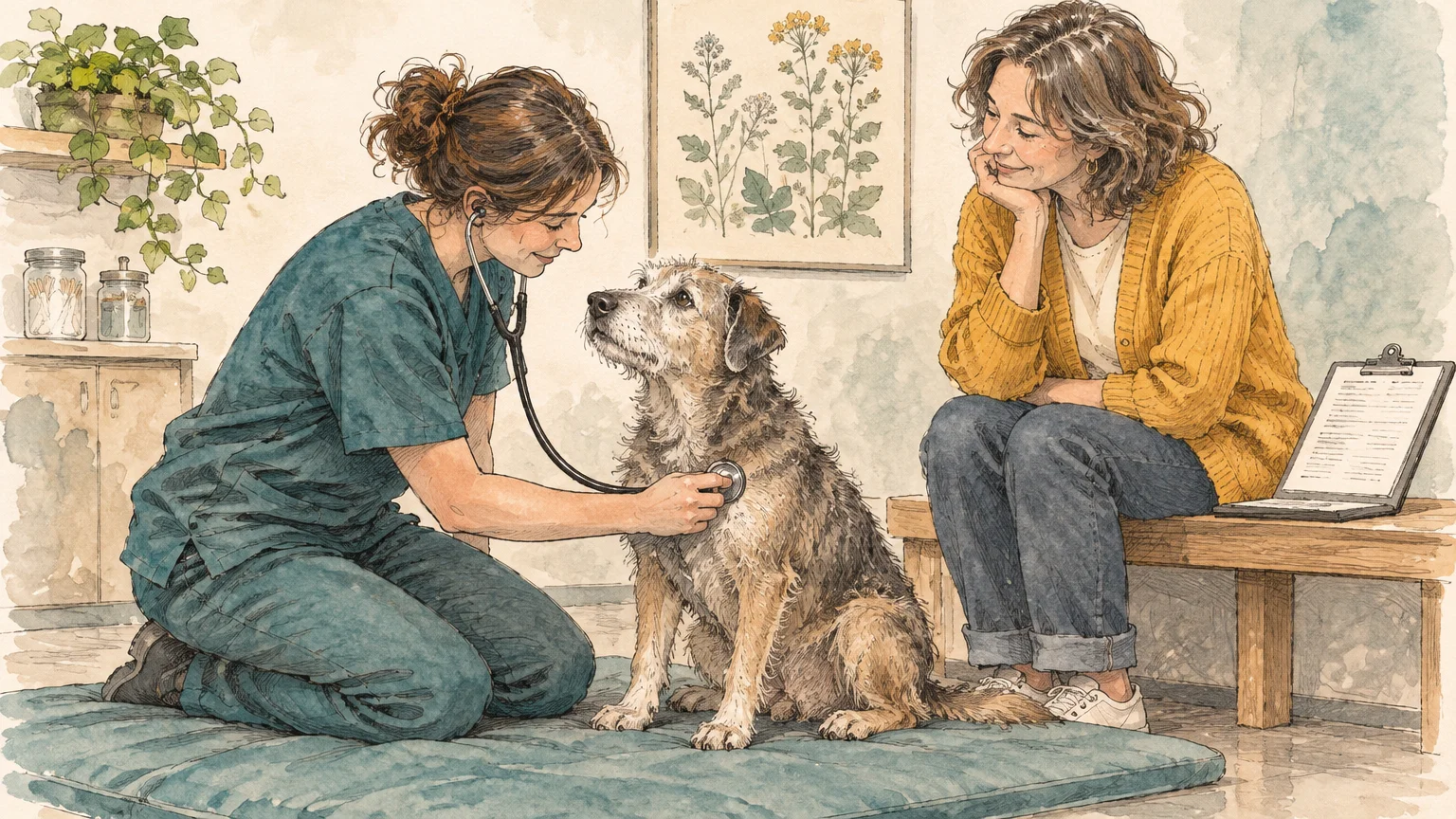
Partner with a veterinarian early, and consider clinics offering veterinary telehealth check-ins for minor skin checks or nutrition questions. If you choose a flat-faced breed, learn their normal breathing baseline immediately.
The UK Brachycephalic Working Group emphasizes that noisy breathing in flat-faced dogs at rest or during light exercise is never normal. Snoring, snorting, or gagging warrants a prompt veterinary airway evaluation rather than amusement.
Verify local identification laws wherever you stroll. Under Royal Kennel Club guidance, UK law requires dogs in public to wear a collar displaying the owner’s name and address even when walked on a harness.
Keep microchip contact details updated alongside a crisp collar tag. Even the sleepiest couch potato can slip through an unlatched gate if startled by fireworks or delivery trucks.
Frequently Asked Questions
Can I fly with my short-walk dog breed?
Air travel rules depend heavily on facial anatomy and total weight. Nearly all major airlines ban flat-faced breeds such as French Bulldogs, English Bulldogs, Pugs, and Shih Tzus from aircraft cargo holds due to breathing and heat hazards.
Some carriers allow tiny flat-faced pets inside the cabin under your seat, while others like United ban them completely. Under 2026 IATA Live Animals Regulations and major European carrier rules, in-cabin pets typically cannot exceed 8 kilograms or 17.6 pounds including their carrier, with fees around 45 to 75 euros one-way.
International trips also carry strict paperwork timelines. Non-commercial EU entry follows Regulation (EU) 2026/131, and destinations including Finland, Ireland, Malta, Norway, and the UK require veterinary tapeworm treatment 24 to 120 hours before arrival.
Note that while the Netherlands restricts breeding ultra-short-snouted dogs, keeping or importing existing pets remains permitted as of September 2026. Always confirm airline breed policies directly before booking tickets.
How do low-energy dogs handle multi-pet households?
American Veterinary Medical Association figures from 2025 show dog-owning households average 1.6 dogs, so pairing companions is very common. Calm dogs typically coexist peacefully with cats or second dogs when introductions stay slow and supervised.
If one dog craves brisk hikes while your senior Shih Tzu wants a ten-minute sniff, walk them separately once a day. Solo outings prevent overexerting your laid-back dog while letting active housemates burn extra steam.
How much should I budget for a low-energy dog?
According to the 2026 AVMA Sourcebook, average annual household pet spending sits at $1,478, down from $1,727 in 2025, with veterinary care claiming roughly one-third of costs. Meanwhile, September 2026 Forbes Advisor estimates place essential annual dog expenses around $1,533.
Unexpected bills catch many families off guard, as 28 percent of surveyed pet owners cannot cover a $499 veterinary bill out of pocket. Data from the NAPHIA 2026 report shows U.S. dog accident-and-illness insurance averaged $836 per year in 2025, though only 5.99 percent of U.S. dogs carry coverage.
Save money by making DIY snuffle mats, brushing teeth at home, and setting up an automatic monthly veterinary savings fund. Preventive dental care and weight management remain the best budget savers you have.
What belongs in my heatstroke and emergency plan?
Know your dog’s vital benchmarks before summer arrives. Normal canine temperature runs between 99.5 and 102.5 degrees Fahrenheit, while readings above 104 degrees signal heatstroke.
Direct cellular damage begins around 106.7 to 107.6 degrees Fahrenheit, and temperatures past 109.4 degrees bring severe organ failure. If your dog collapses, pants frantically, or shows dark red gums, follow Royal Veterinary College guidance to cool first and transport second.
Pour whatever cool tap water is nearby over your dog’s coat immediately rather than waiting for lukewarm water, though avoid full cold-water immersion for flat-faced breeds. Keep a digital thermometer, spare leash, bottled water, and your 24-hour emergency clinic phone number packed inside an entryway grab bag.
Start a Cozy Bonding Ritual Tonight
Great companionship never depends on logging ten-mile runs before breakfast. When you choose from dog breeds happy with short walks, you trade exhaustion for unhurried connection that fits your life.
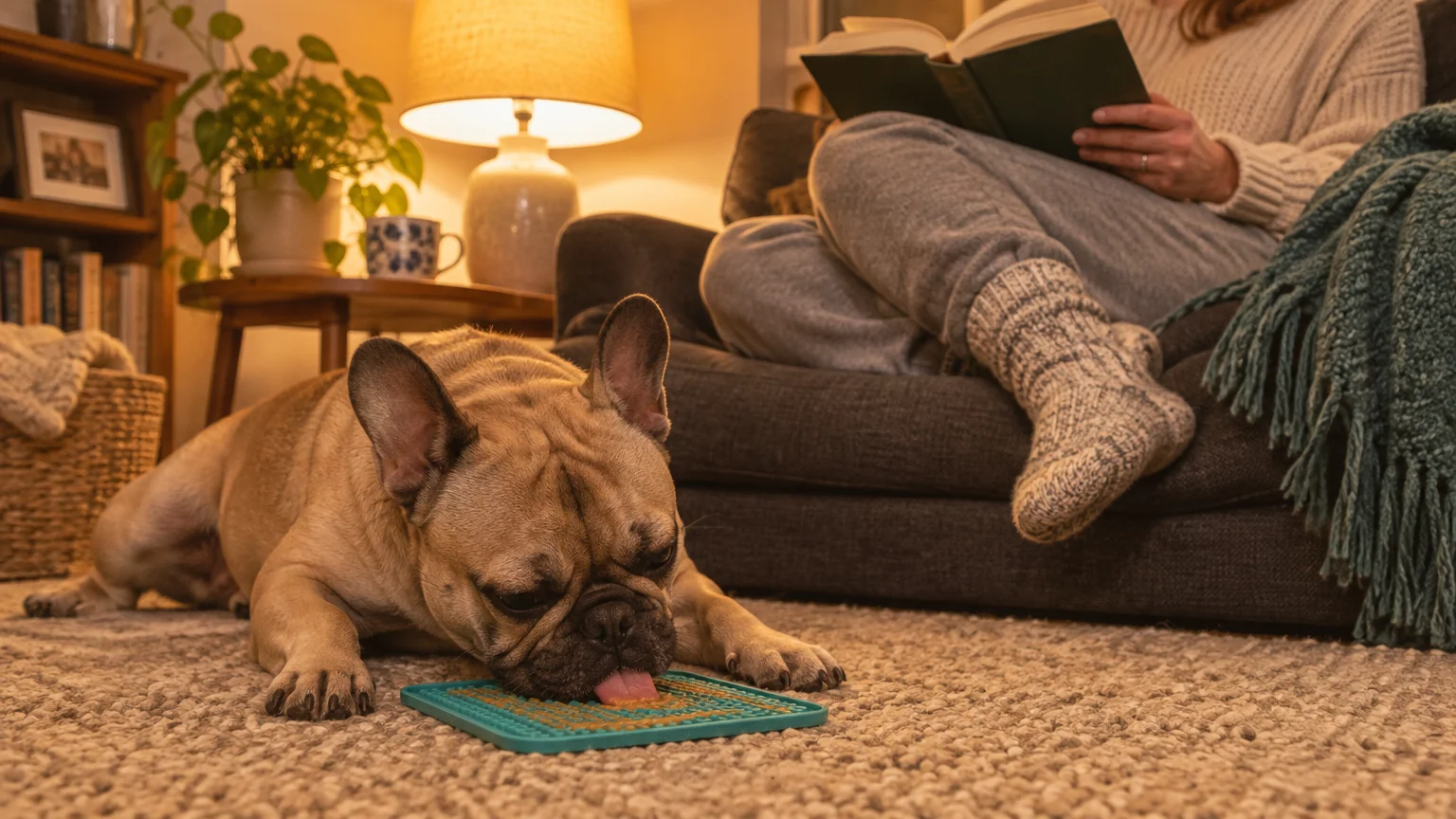
Tonight, leash up your dog for an unhurried ten-minute twilight sniff walk with zero destination in mind. Follow their nose down the sidewalk, pack a handful of measured kibble for calm check-ins, and finish the evening curled together on the sofa.