

The Science of FRAPs: What Happens Inside the Canine Body
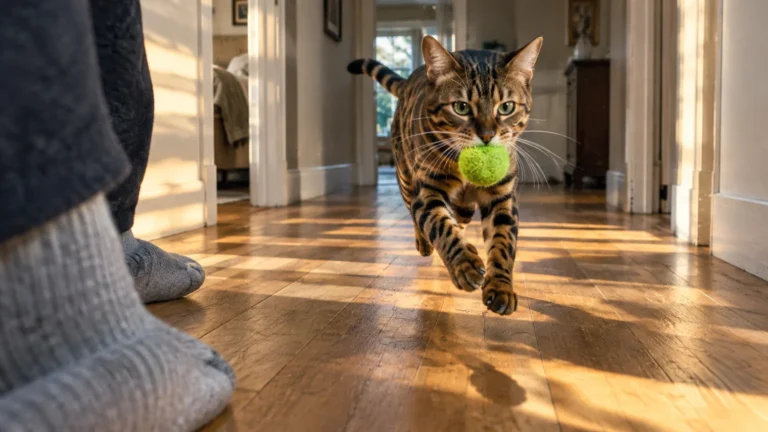
When your dog launches into a high-speed sprint across the yard, you witness a complex neurochemical reaction in real time. Frenetic Random Activity Periods occur across all domestic dog breeds, from toy poodles to Great Danes; they even appear in wild canids like wolves and foxes. During these frantic episodes, a dog’s nervous system shifts rapidly between high arousal and physiological release.
When physical or emotional tension builds up inside a dog—whether from resting all day, experiencing a bath, or navigating a stressful event—the nervous system prepares the body for sudden action. As the physiological trigger trips, the brain releases a flood of adrenaline and endorphins. This chemical cascade temporarily sharpens focus, dilates blood vessels, and drives rapid muscle contraction. The physical movement of sprinting helps clear excess stress hormones like cortisol from the bloodstream, returning the dog’s internal systems to equilibrium.
According to research compiled by the National Institutes of Health research database, physical play and sudden motor discharge play a crucial role in autonomic nervous system regulation. When a dog zooms, they are not acting out of malice or lack of training; they are actively self-regulating. The rapid acceleration, tight turns, and characteristic posture help dissipate neuromuscular energy that has nowhere else to go. Veterinary behaviorists note that these episodes rarely last longer than a minute or two, ending as quickly as they begin once the central nervous system achieves balance.


Thank you for that explanation! Our Kaiser Jackel gets the “zoomies” at least twice a day. He is great at it and we thought he was just keeping these 70 years entertained. Thanks!!
I was told they do that because they are happy
Sometimes this puppy seems to be almost ready to have a bowel movement.
My Goldendoodle does this usually just before bed a couple times a week…she moves so darn fast that she’s just a blur….it’s because she knows it’s almost bedtime but she’s just not tired…so she “goes off”…usually lasts a good few minutes… when she’s done…she’s ready for night night…she also rings a bell to go potty….very very smart!