Nothing beats watching your dog trot ahead on a quiet forest path with ears perked and tail high. Shared miles turn simple weekend walks into lasting memories for both of you.
About 71 million U.S. homes had a dog in 2025, and many owners want an active outdoor buddy. Still, picking the right trail partner takes more than liking a pretty coat.
Below, you will find ten great hiking breeds, daily care rules, and easy training tips. Each step helps you plan safe, budget-friendly adventures together.
10 Dog Breeds Built for the Trail
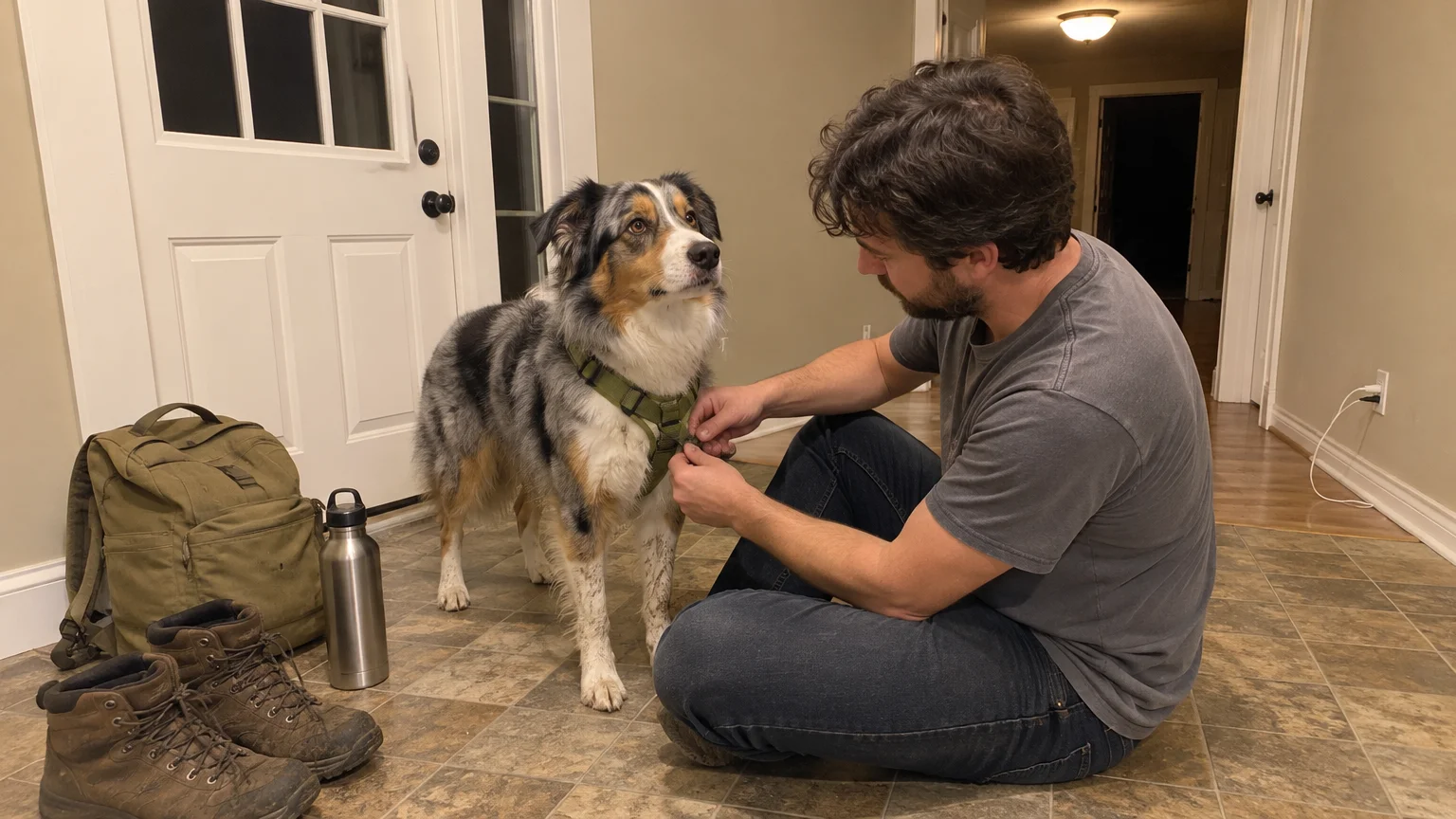
1. Australian Shepherd
Australian Shepherds stand 18 to 23 inches tall, weigh 40 to 65 pounds, and live 12 to 15 years.
Adult Aussies need one to two hours of hard daily exercise. Ask your vet about eye checks and the MDR1 drug-sensitivity gene.
2. Border Collie
Border Collies stand 18 to 22 inches tall, weigh 30 to 45 pounds, and live 12 to 15 years.
Flat walks rarely tire these sharp thinkers. Mix steep climbs with scent games and recall drills to keep them calm.
3. German Shorthaired Pointer
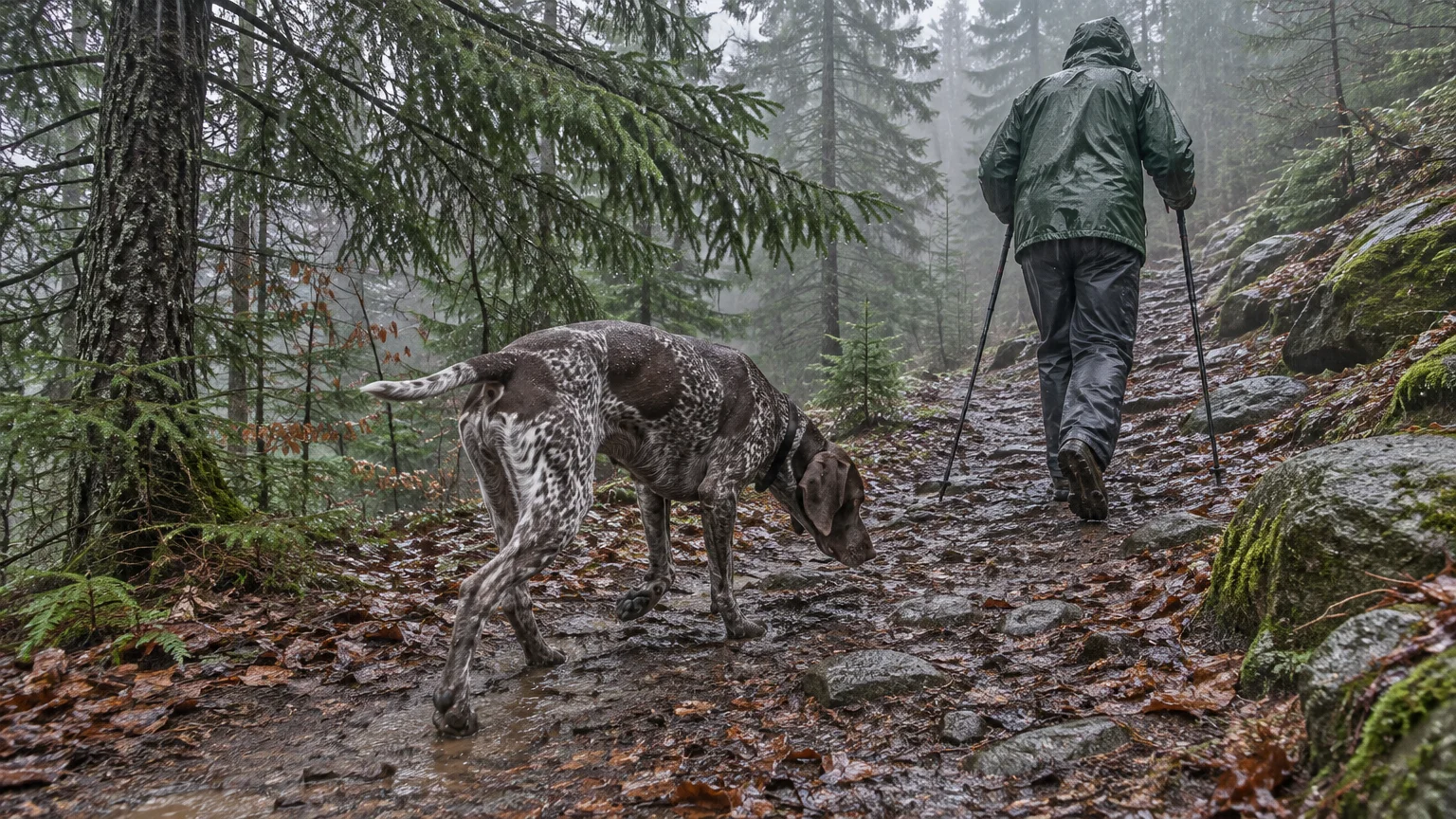
Male German Shorthaired Pointers stand 23 to 25 inches tall and weigh 55 to 70 pounds. A 2024 UK study found a 13.4-year median lifespan.
Their short coat sheds mud fast after stream crossings. Use a long training line because strong bird scents tempt them off trails.
4. Vizsla
Vizslas stay lean, with females weighing 40 to 55 pounds and males 50 to 65 pounds. They bond closely and stay near you.
Their thin coat offers little warmth in wind. Pack a fitted fleece jacket for chilly ridges and a soft mat for lunch stops.
5. Rhodesian Ridgeback
Rhodesian Ridgebacks bring strong stamina, with females near 70 pounds and males around 85 pounds. They handle warm, sunny trails well.
They act calm and steady on long treks. Still, keep them leashed around wildlife because they have a strong chase drive.
6. Labrador Retriever
Labrador Retrievers live 10 to 12 years, though lean Labs often reach 13 or 14 years when owners watch their weight.
Water-resistant coats make them fearless stream crossers. Bring an old towel for your car and count trail treats toward daily meals.
7. Golden Retriever
Golden Retrievers live 10 to 12 years and greet fellow hikers gently when socialized early.
Their long coat catches burrs and ticks, so pack a pocket comb. Keep up with vet visits because cancer is a top risk.
8. Siberian Husky
Siberian Huskies live 12 to 15 years and thrive on snowy winter paths with their thick double coats.
Warm weather overheats Huskies fast, so hike at dawn in summer. Keep them leashed in open spaces because they love to roam.
9. Australian Cattle Dog
Australian Cattle Dogs are rugged trail partners that often live 12 to 16 years. Their compact muscles handle rocky slopes easily.
These smart workers watch every step you take. Teaching them to carry balanced gear or check in at turns keeps them focused.
10. Jack Russell Terrier
Small dogs hike well too, and Jack Russell Terriers live 14 to 18 years. They hop over fallen logs and fit small cars.
Because terriers love to chase burrows, use a sturdy harness. Watch for early tiredness when deep mud slows their short legs.
Daily Trail Playbook: Safety, Gear, and Health
Pace Young Dogs and Pack Weight
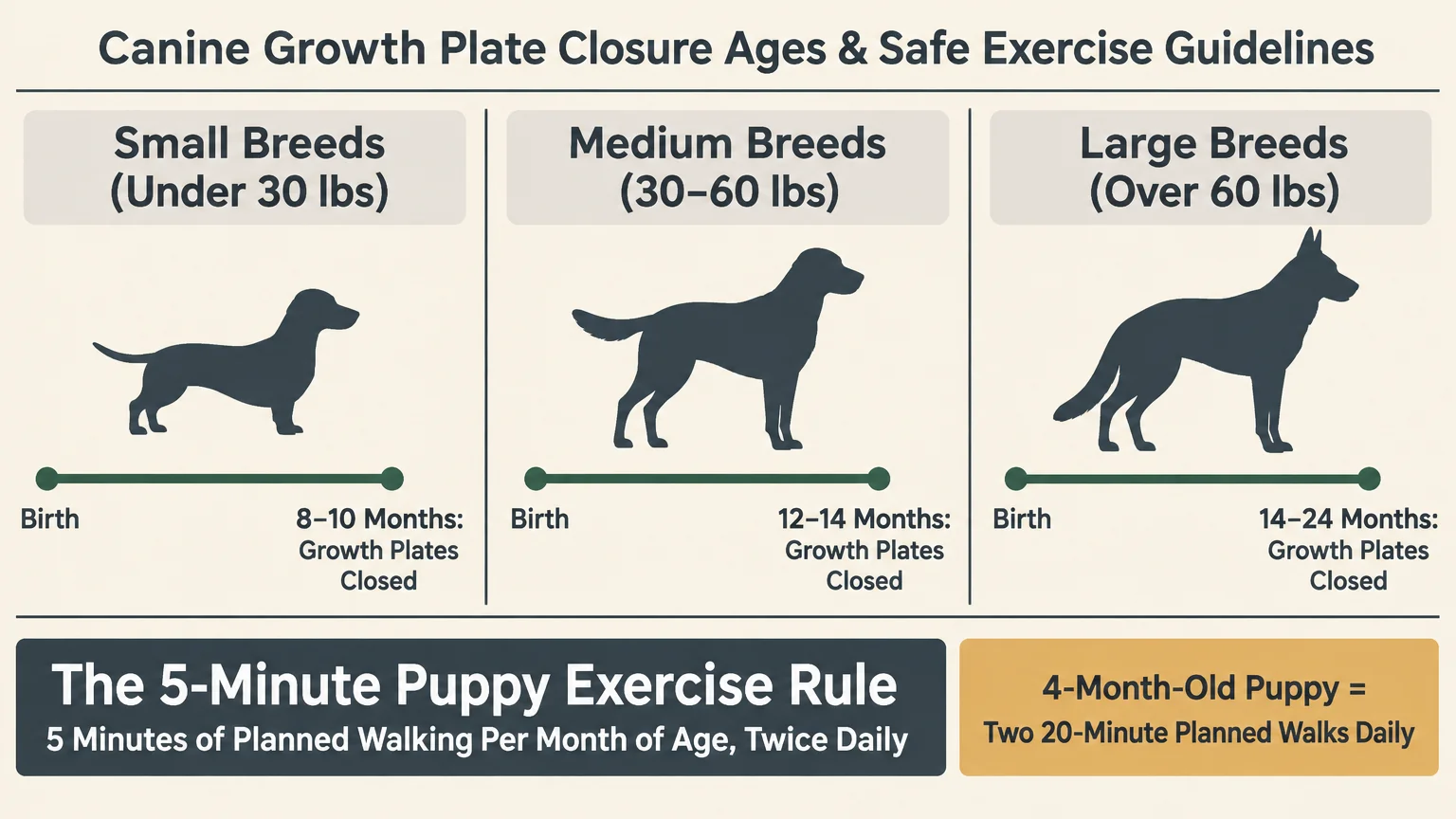
Long, steep hikes can damage growing joints if you start too early. Wait until your dog’s growth plates close before trying big miles or hard runs.
Growth plates close around 8 to 10 months in small dogs and 12 to 14 months in medium dogs. Large breeds need 14 to 24 months to finish growing.
While your puppy grows, follow a simple five-minute rule twice each day. A four-month-old puppy needs two 20-minute planned walks daily, not a five-mile climb.
Healthy adult dogs can carry light packs once their bodies are fit and strong. The Veterinary guidelines warn against loading puppies, seniors, or flat-faced dogs.
Keep the pack and everything inside at or under 10% of body weight. Balance the pockets evenly on both sides so the load never pulls your dog’s spine.
Watch Water, Heat, and Paw Pads
Healthy adult dogs normally drink about 1 fluid ounce of water per pound of body weight daily. Active trail dogs need even more when the air warms up.
Offer small sips of clean water every 15 to 30 minutes before your dog pants hard. Carry a folding bowl and skip standing puddles that can hide stomach bugs.
Watch for heatstroke whenever temperatures top 80 degrees or humidity climbs high. Sunny asphalt hits 135 to 143 degrees on an 85-degree day and burns paws in under 60 seconds.
Use the back-of-the-hand test by holding your hand on sunny pavement for seven seconds. If it feels too hot for your skin, pick a shaded dirt trail instead.
If your dog staggers, drools heavily, or seems confused, move into shade right away. Cool them with cool water, never ice, and call a vet if they do not improve within 10 minutes.
Keep Vaccines and Bug Protection Current
In 2024, the American Animal Hospital Association made Leptospirosis a core vaccine for all dogs. This serious infection spreads through wildlife urine, damp soil, and muddy trail puddles.
Ask your vet if your area also calls for Lyme disease or rattlesnake shots. The Companion Animal Parasite Council reports that ticks and heartworms keep spreading into new regions.
Ticks wake up whenever temperatures pass 40 degrees, so your dog needs year-round parasite protection. Run your hands over ears, armpits, and toes after every hike to catch ticks fast.
Always read parasite product labels closely if you also share a home with cats. The American Veterinary Medical Association warns that some dog-only tick products can be fatal to cats.
Trail Training and Positive Communication
Before you hit the woods, learn the local leash rules for your park. Only 12 U.S. national parks allow dogs on most trails, while 20 ban dogs from all trails.
Where parks allow pets, federal rules call for a 6-foot fixed leash. Leave retractable leashes at home because they stretch too far and can tangle hikers or spook wildlife.
Join the National Park Service B.A.R.K. Ranger program at parks that offer it to learn trail manners. You always bag waste because dog feces can spread parvovirus, giardia, and roundworms into clean streams.
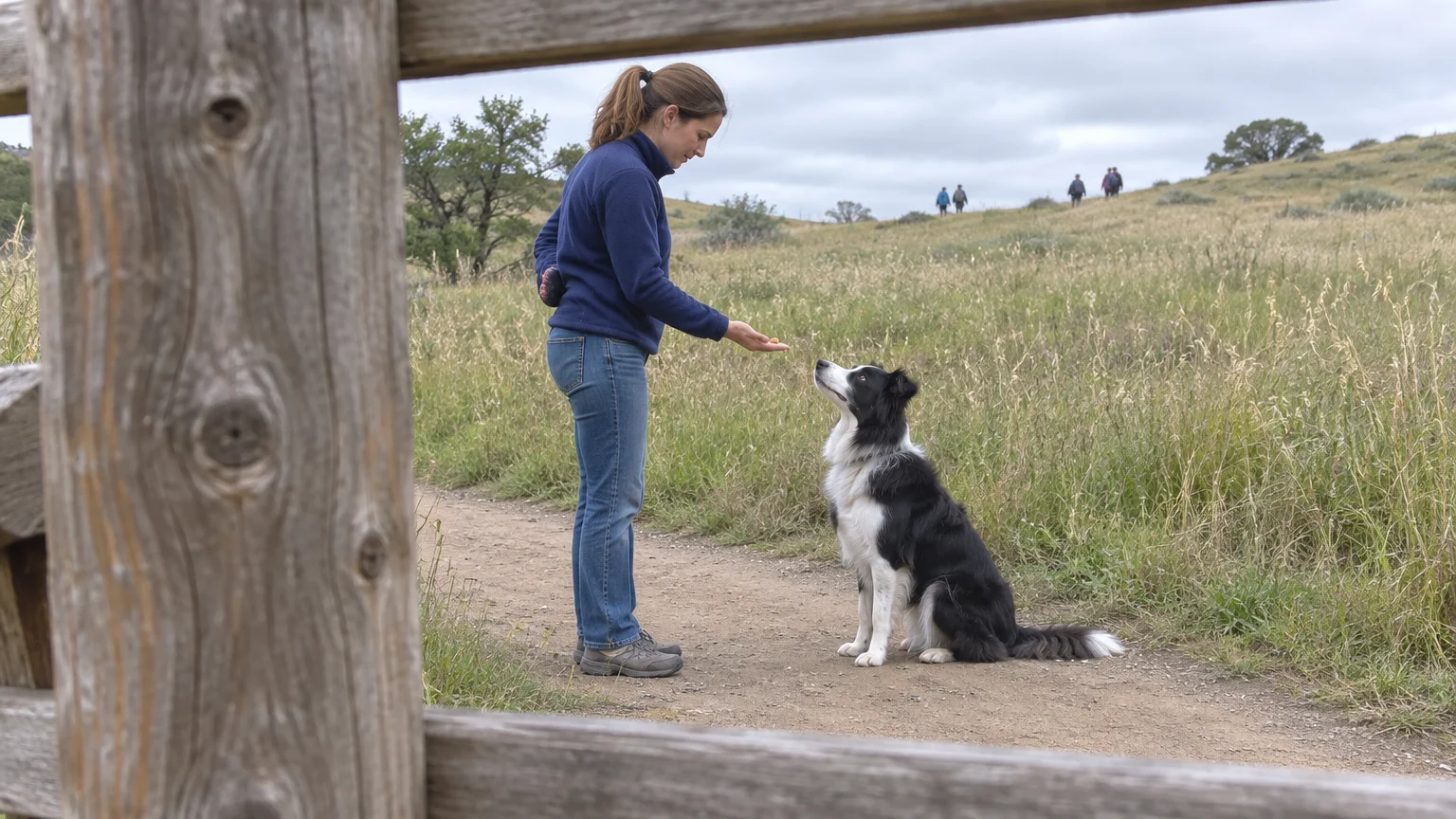
Train a solid “leave it” and recall cue in your living room first. Reward your dog with high-value bites like plain boiled chicken every time they glance back at you.
Next, practice on a 15-foot long line at a quiet park before trusting dirt trails. Step aside when mountain bikers pass, ask your dog to sit, and feed treats calmly.
Community Support and Budget-Smart Prep
You do not need a pricey purebred puppy to find an amazing hiking buddy. Local shelters and breed rescues are full of healthy adult mixes ready for weekend trails.
Read the ASPCA pet care guides or talk with shelter staff about a dog’s true energy level. If your dog struggles with leash barking, hire a certified positive-reinforcement trainer.
Skip fancy gear at first and spend your budget on fit and safety. Look for a padded Y-front harness that frees the shoulders, a strong clasp, and simple reflective stitching.
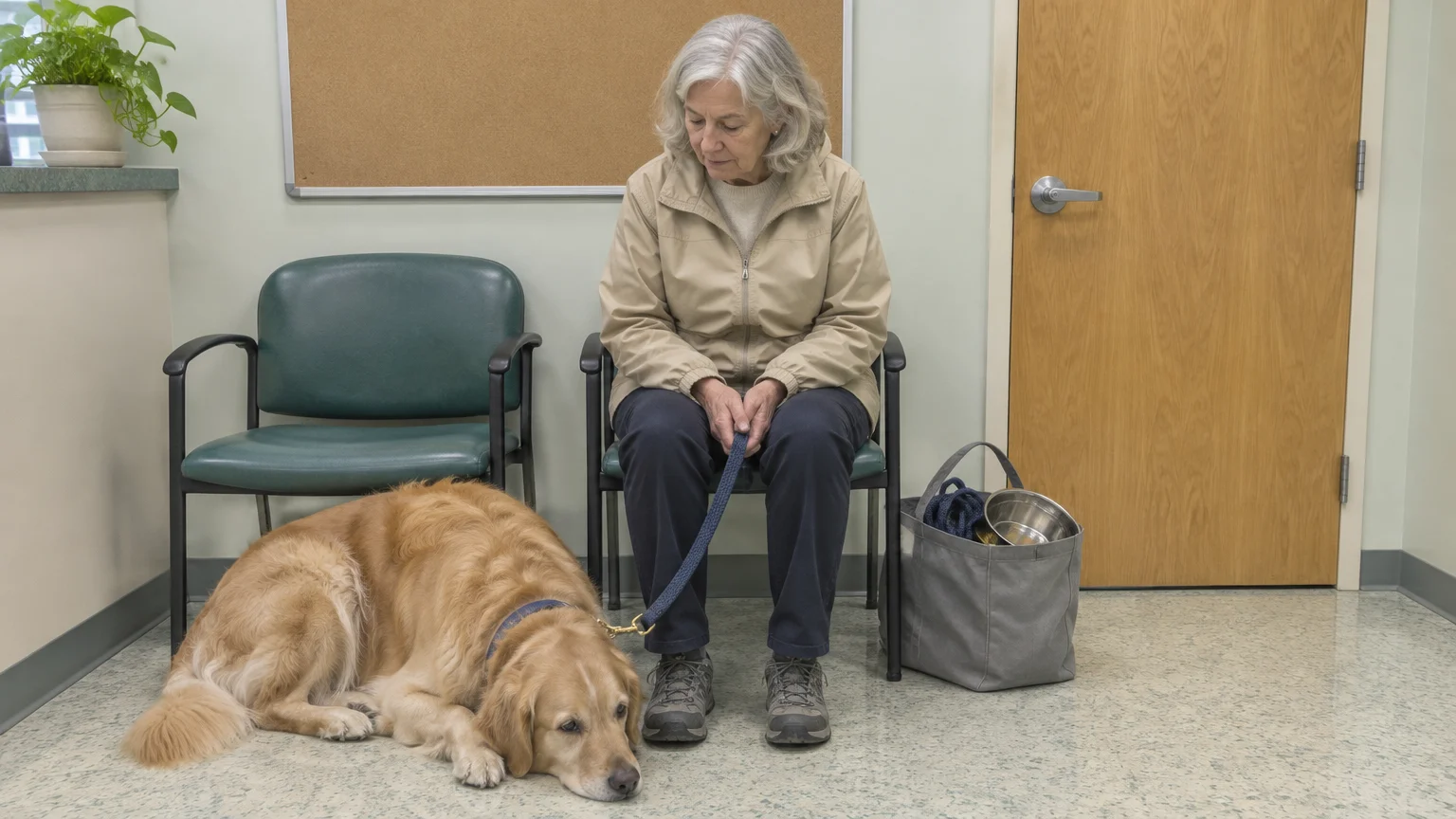
Ask your local vet clinic if they offer telehealth video chats for minor trail scrapes. Saving a nearby emergency vet number in your phone costs nothing and protects your peace of mind.
Frequently Asked Questions
How do I plan national park or forest travel with my dog?
Check park maps before you drive, because many national parks ban dogs from backcountry trails. U.S. national forests usually welcome dogs, though campgrounds still call for a 6-foot leash.
Remember that emotional-support and therapy dogs count as pets under federal law. Only trained service dogs can enter pet-free buildings and trails.
How do I hike with two dogs or protect pets back home?
Walk two dogs on separate leashes until both hold loose-leash manners on busy paths. When you return home, keep any dog-only tick medicines away from household cats.
Wash muddy paws outside before your hiker greets indoor pets. Clean paws stop your trail dog from tracking wild ticks or mud-borne germs onto shared couches.
How can I afford hiking gear and vet care on a tight budget?
Start with sturdy items you already own, like a 6-foot nylon leash and an old bath towel. Use a basic thrift-store backpack for your own water and snacks.
Spend your money on year-round heartworm and tick prevention rather than flashy dog clothes. Preventing one sick-dog vet bill saves far more than fancy gear ever costs.
What belongs in a trail emergency kit for my dog?
Pack self-sticking bandage wrap, sterile saline rinse, tweezers for ticks, and a lightweight emergency sling. Store offline trail maps and the nearest 24-hour vet clinic address on your phone.
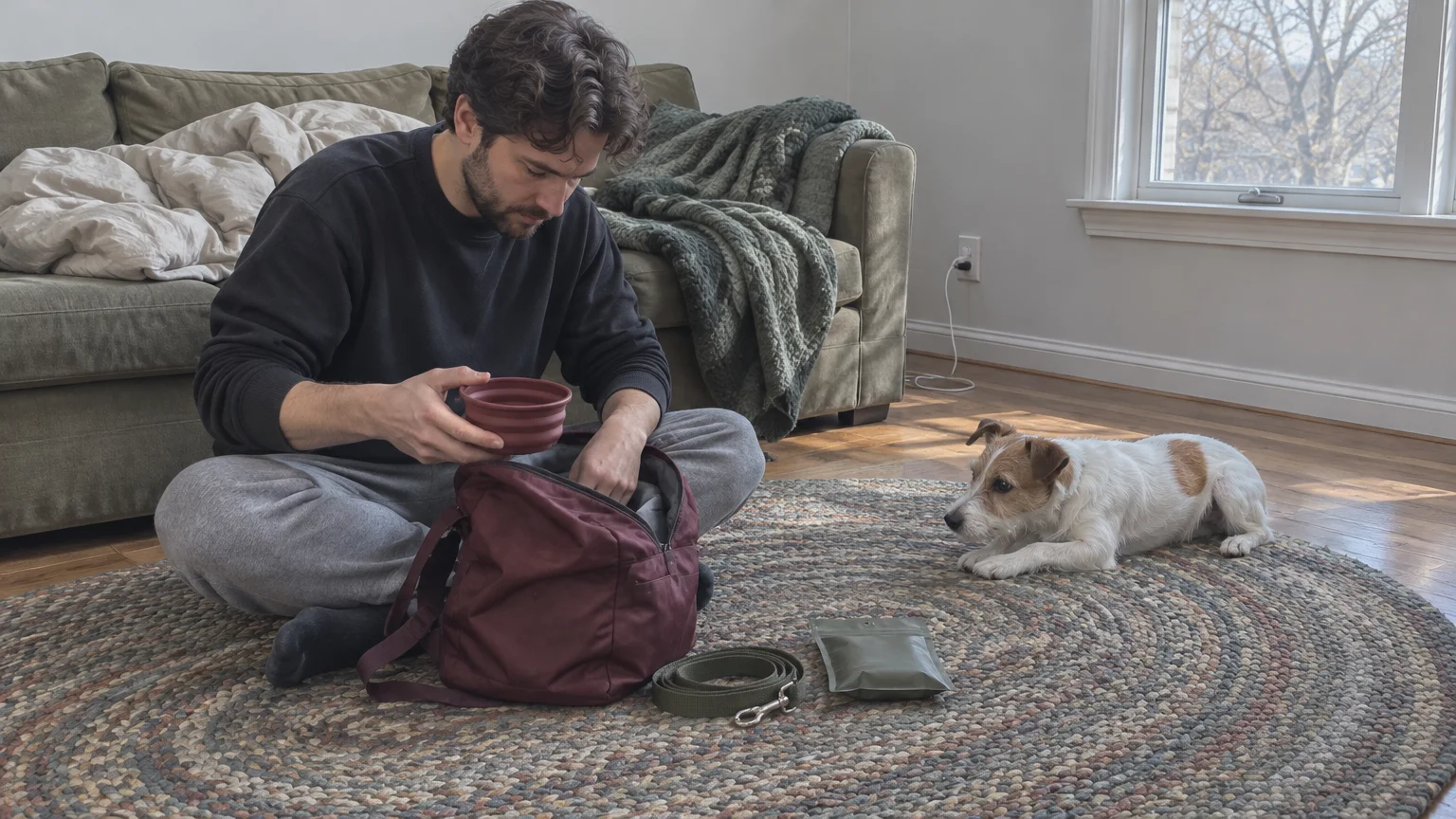
Start Your Trail Routine Tonight
Great trail partnerships start right at home long before you lace up your hiking boots. Tonight, grab a few tiny treats and spend ten minutes practicing name check-ins around your yard.
End your session with a calm paw massage so your dog relaxes when you check their toes. Tomorrow morning, step outside together and enjoy every mile waiting down the path.