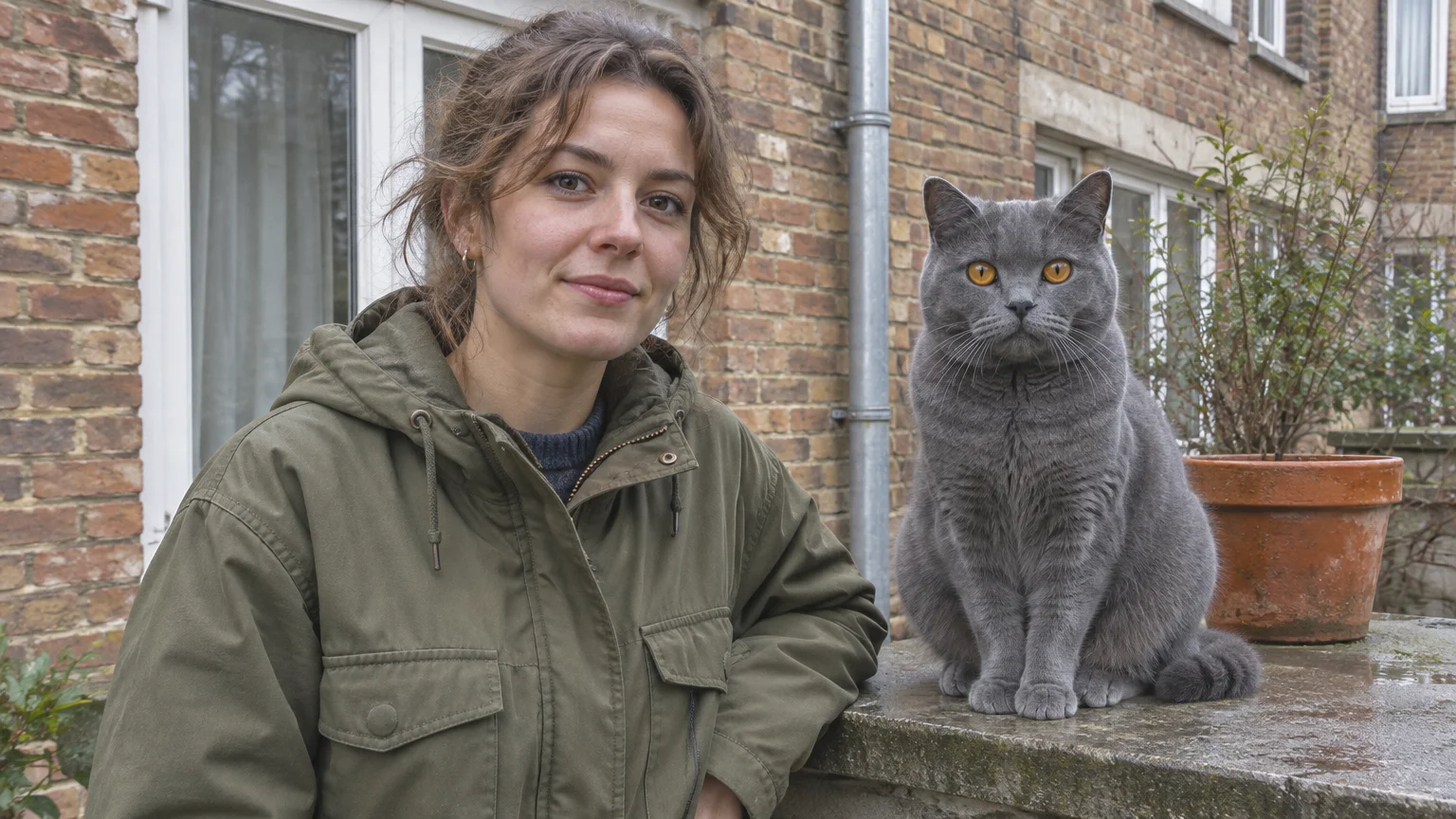
Picture coming home to a soft chirp instead of loud yowls at your door. A quiet cat greets you with a slow blink, a warm head nudge, and calm company on the couch.
Living with quiet cat breeds fits busy workdays and thin apartment walls. You still get deep loyalty and playful moments without constant noise during phone calls or late nights.
This guide introduces nine gentle cat breeds known for soft voices. You will also learn daily care routines, training steps, and health tips to keep your companion thriving.
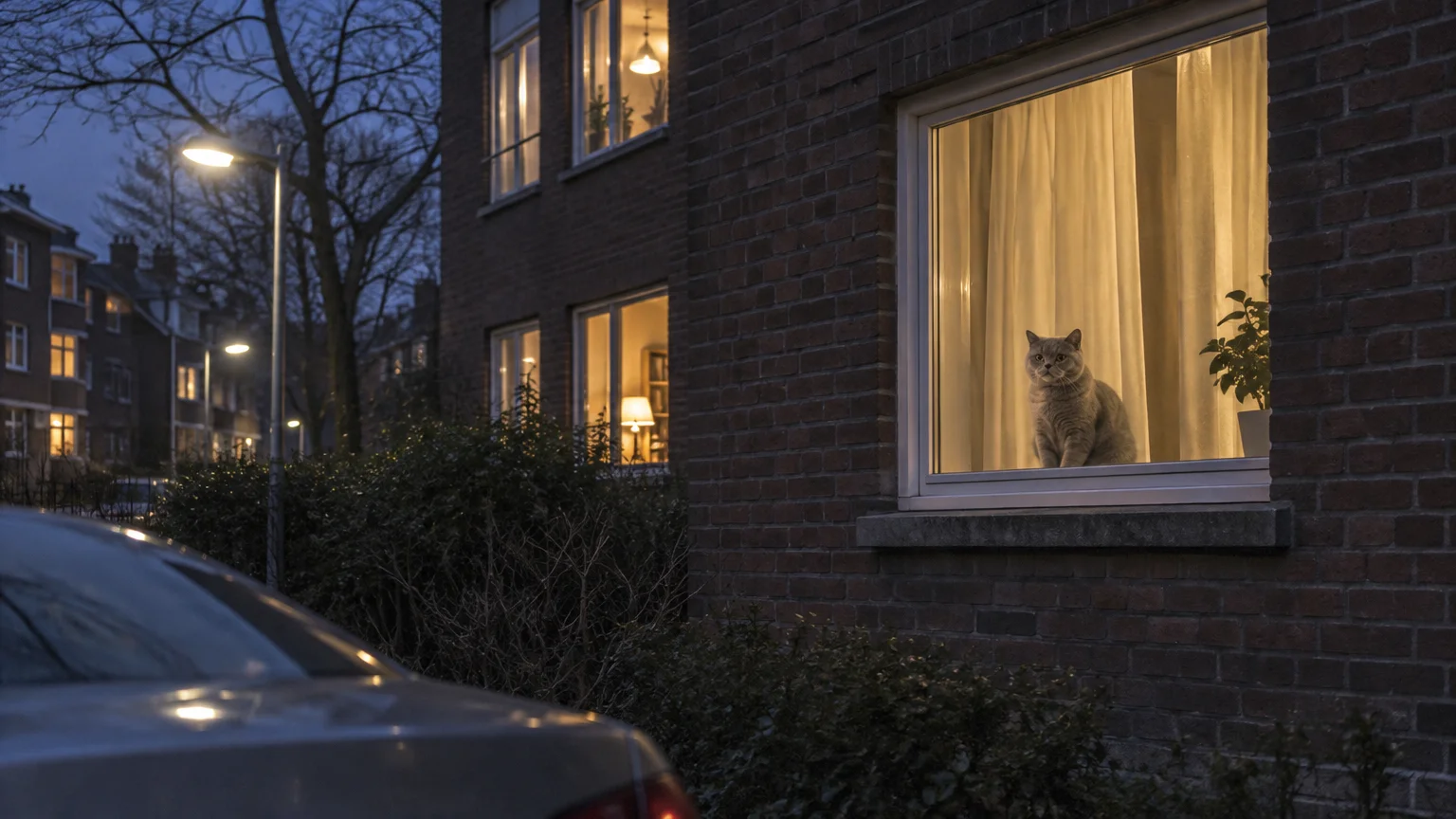
Nine Quiet Cat Breeds for Calm Homes
Cat ownership keeps growing, with 53 million U.S. households sharing life with a cat in 2025 per APPA data. Zillow reports 31 percent of renters own a cat, making calm breeds great for shared buildings.
Choosing from gentle cat breeds starts with looking at temperament, grooming, and inherited health risks. Registries like the Cat Fanciers’ Association and The International Cat Association track these traits across dozens of breeds.
1. Chartreux
The Chartreux is a sturdy French breed with a plush blue-grey coat and copper eyes. Many Chartreux cats barely make a sound, choosing soft chirps over loud meows.
Males weigh 10 to 14 pounds and mature slowly over 3 to 5 years. Plan for simple weekly brushing and interactive wand play to keep this easygoing friend fit for 12 to 15 years.
2. British Shorthair
Known for round cheeks and a dense coat, the British Shorthair brings peaceful, polite energy to small spaces. Most prefer sitting beside you rather than being carried around.
Males can reach 17 pounds and often live 12 to 20 years. Because past crossbreeding introduced polycystic kidney disease, a fluid-filled kidney cyst condition, ask breeders about genetic screening.
3. Russian Blue
The Russian Blue pairs a silver-tipped coat and green eyes with a gentle, quiet voice. These cats stay shy around guests but form close bonds with their favorite people.
Weighing 7 to 12 pounds, this healthy breed often reaches 16 years or older. Russian Blues make slightly less Fel d 1, an allergy-triggering protein, though no cat is fully allergy-free.
4. Ragdoll
Ragdolls earn their name by going limp in your arms with a laidback, peaceful manner. These blue-eyed companions follow you from room to room while keeping their voices soft.
Expect a big cat, since males weigh 15 to 20 pounds and take up to four years to mature. Their silky coat needs gentle combing twice a week to stop tangles.
5. Persian
The Persian is a classic floor-dwelling breed with a serene nature suited to quiet routines. They love sunny naps and rarely demand attention with noisy meowing.
Persians weigh 7 to 12 pounds and need daily combing plus eye wiping. Because flat-faced breeding causes breathing trouble and high kidney cyst rates, adopt rescues or choose moderate-faced lines.
6. Exotic Shorthair
If you love the sweet Persian personality without daily grooming, meet the Exotic Shorthair. This mild-mannered breed stays quiet, affectionate, and easygoing in apartments.
Exotic Shorthairs weigh 7 to 14 pounds and live 12 to 15 years or longer. They share flat-faced eye and breathing needs, so keep their faces clean and rooms cool.
7. Birman
The Birman charms owners with white gloved paws and soft, chirp-like voices. They stay much quieter than vocal breeds like the Siamese, especially if you reward calm behavior.
Birmans have a silky single coat that resists matting and live 14 to 16 years on average. Reputable breeders screen them for hypertrophic cardiomyopathy, a thickened heart muscle disease.
8. Scottish Fold
Scottish Folds are gentle lap companions weighing 6 to 13 pounds with soft voices and folded ears. Their kittens are born with straight ears that fold within weeks.
Every folded-ear cat carries a gene mutation causing painful joint stiffness and arthritis over time. A 2026 European Union welfare rule restricts breeding extreme traits, so consider adopting rescues needing joint care.
9. Himalayan
Considered a color-pointed Persian class or variant by major registries, the Himalayan offers a calm, sweet nature. They greet you softly and settle happily beside quiet readers.
Most weigh about 8 to 12 pounds and live 9 to 15 years with attentive indoor care. Brush their long coat daily and watch for flat-faced breathing strain.
Your Daily Playbook for Calm Cats
Feeding and Hydration Routines
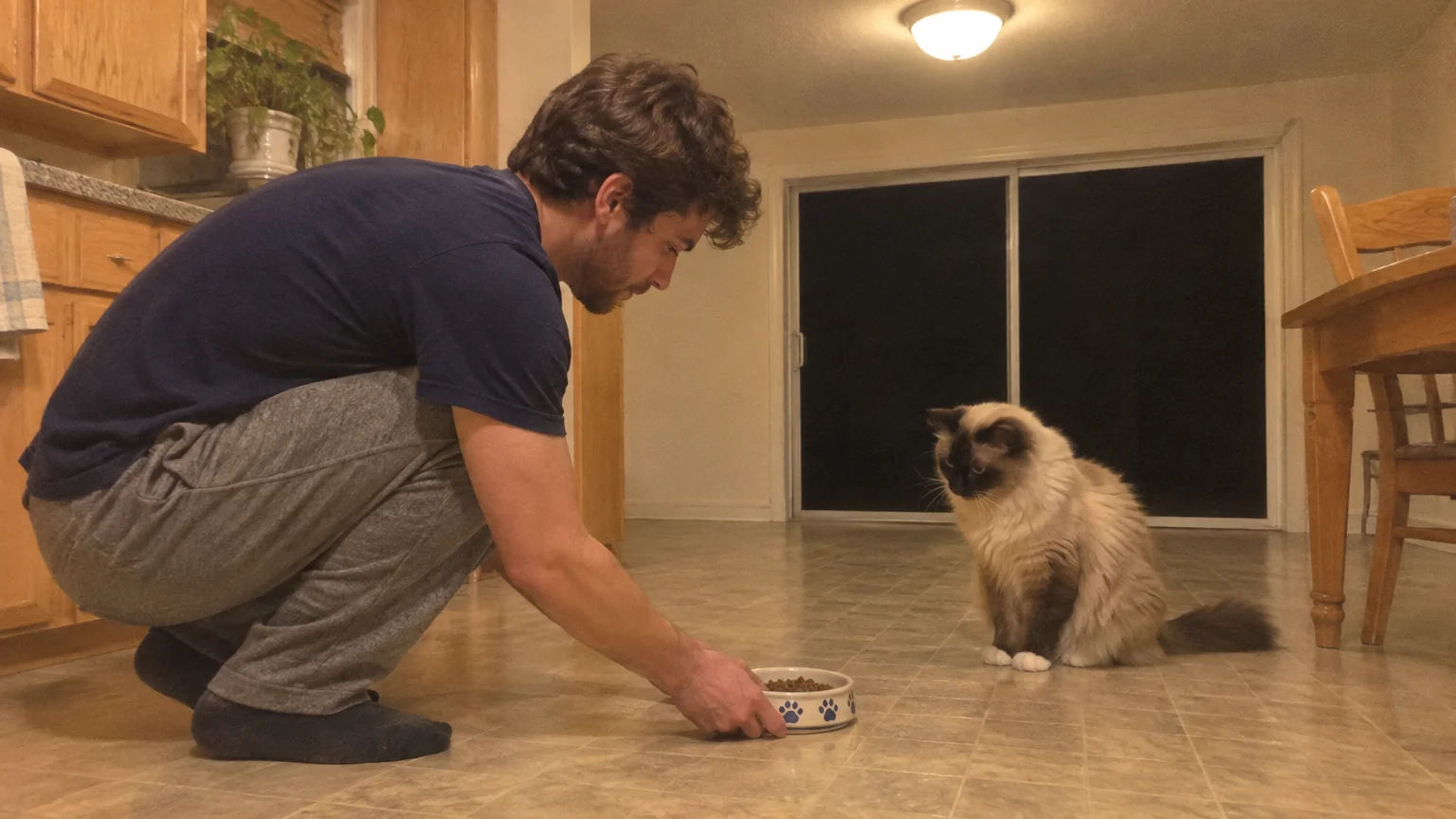
Calm breeds gain weight easily, so measure meals using the calorie guide on your cat food label. Feed two or three scheduled small meals each day instead of leaving full bowls out.
Include wet food to boost water intake and support kidney health in breeds prone to urinary issues. Choose wide, shallow ceramic or stainless steel bowls that prevent whisker stress and wipe clean easily.
Low-Cost Exercise and Mental Enrichment
Even laidback cats need short bursts of hunting play to stay lean and relaxed. Wave a feather wand for ten minutes before dinner so your cat can stalk, pounce, and rest.
You do not need pricey gadgets to keep quiet cats busy. Cut holes into a clean cardboard box for treat hunting, or place a sturdy scratching post beside a sunny window.
Socialization and Apartment Setup
Reserve breeds like the Russian Blue and British Shorthair thrive on predictable routines and gentle introductions. Give new cats a quiet starter room with hiding boxes before opening the whole home.
Place one uncovered litter box per cat plus one extra in quiet corners away from loud appliances. Look for dust-free, unscented clumping litter and tall, wide-based cat trees with solid sisal posts.
Training Quiet Cats and Reading Their Cues
How to Teach Simple Cues
According to the ASPCA cat vocalization guide, adult cats meow only to communicate with humans, not other cats. You can shape that communication with gentle, reward-based training.
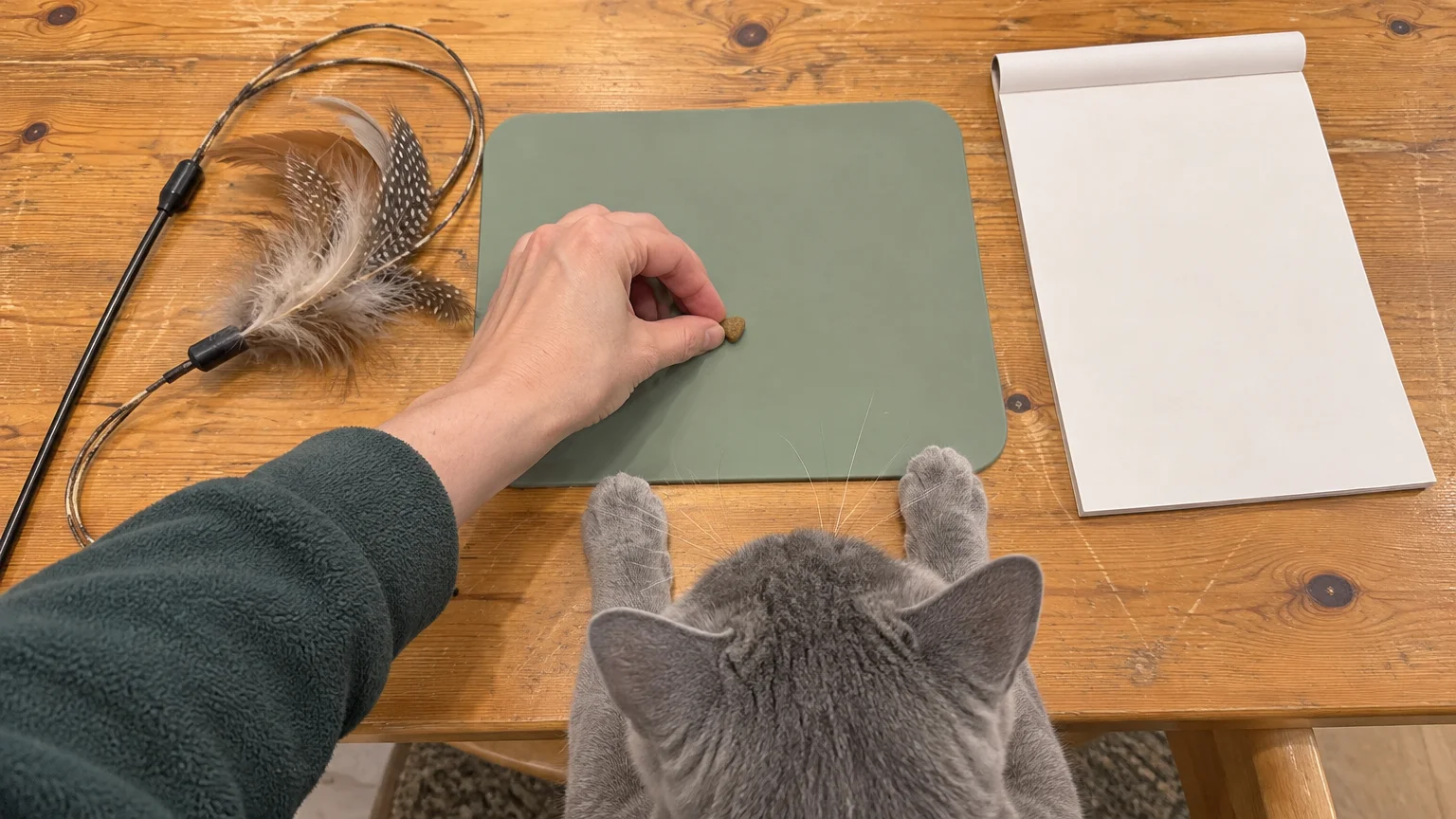
Start by holding a pea-sized soft treat near your cat’s nose and tapping a cozy mat. When all four paws touch the mat, say a cue word like settle and give the reward.
Keep practice sessions under five minutes so your cat stays eager. Never yell at a noisy cat, because loud reactions create fear and teach your pet to ask harder for attention.
Stopping Demand Meows and Spotting Health Alerts
Even quiet breeds learn to meow more if you answer every chirp with food or petting. Wait until your cat sits quietly for three seconds before opening a meal pouch or door.
Sometimes sudden noise points to pain or illness rather than a training habit. Veterinary groups like the American Animal Hospital Association advise a checkup when cats aged 7 to 10 or older start yowling at night.
Blood tests can check for hyperthyroidism, an overactive thyroid gland, alongside high blood pressure, kidney disease, or arthritis. Treating pain early restores comfort and brings back peaceful sleep for both of you.

Finding Rescues, Care Teams, and Indoor Safety
You do not have to buy a kitten from a breeder to find calm cats. Many shelters and breed-specific rescues care for adult Ragdolls, Persians, and gentle mixed-breed cats looking for quiet homes.
Ask shelter staff about a cat’s daily energy and sound level rather than judging by breed alone. Spending twenty quiet minutes in a shelter meet-and-greet room reveals how a cat responds to touch.
Keeping your cat safely indoors protects both their voice and their health. Indoor cats usually live 12 to 18 years, while outdoor cats average only two to five years due to traffic and disease.
A 2024 survival study of UK cats also showed mixed-breed cats lived slightly longer on average than purebreds. Build a support team using guidance from the American Veterinary Medical Association and licensed vet telehealth services.
Frequently Asked Questions About Quiet Cats
How do quiet cats handle travel?
Calm breeds often freeze rather than yowl inside carriers, so watch for tucked ears or fast breathing. Line a hard-sided carrier with a familiar blanket and practice short five-minute car rides before trips.
Do calm cat breeds fit into multi-pet homes?
Yes, gentle breeds often enjoy polite animal friends when introduced slowly over two weeks. Swap scents on cloth first, feed meals on opposite sides of a closed door, and provide high perches.
What should you budget each year for a cat?
According to AVMA figures from 2025, owners spent an average of $529 per year on veterinary care. APPA data also shows average food spending reached $337.53 in 2025, plus litter and wellness savings.
How do you plan for emergencies with a quiet cat?
Because shy cats hide silently during alarms, teach yours to run into an open carrier for special treats. Keep microchip details updated, store extra wet food, and save a 24-hour emergency clinic number.
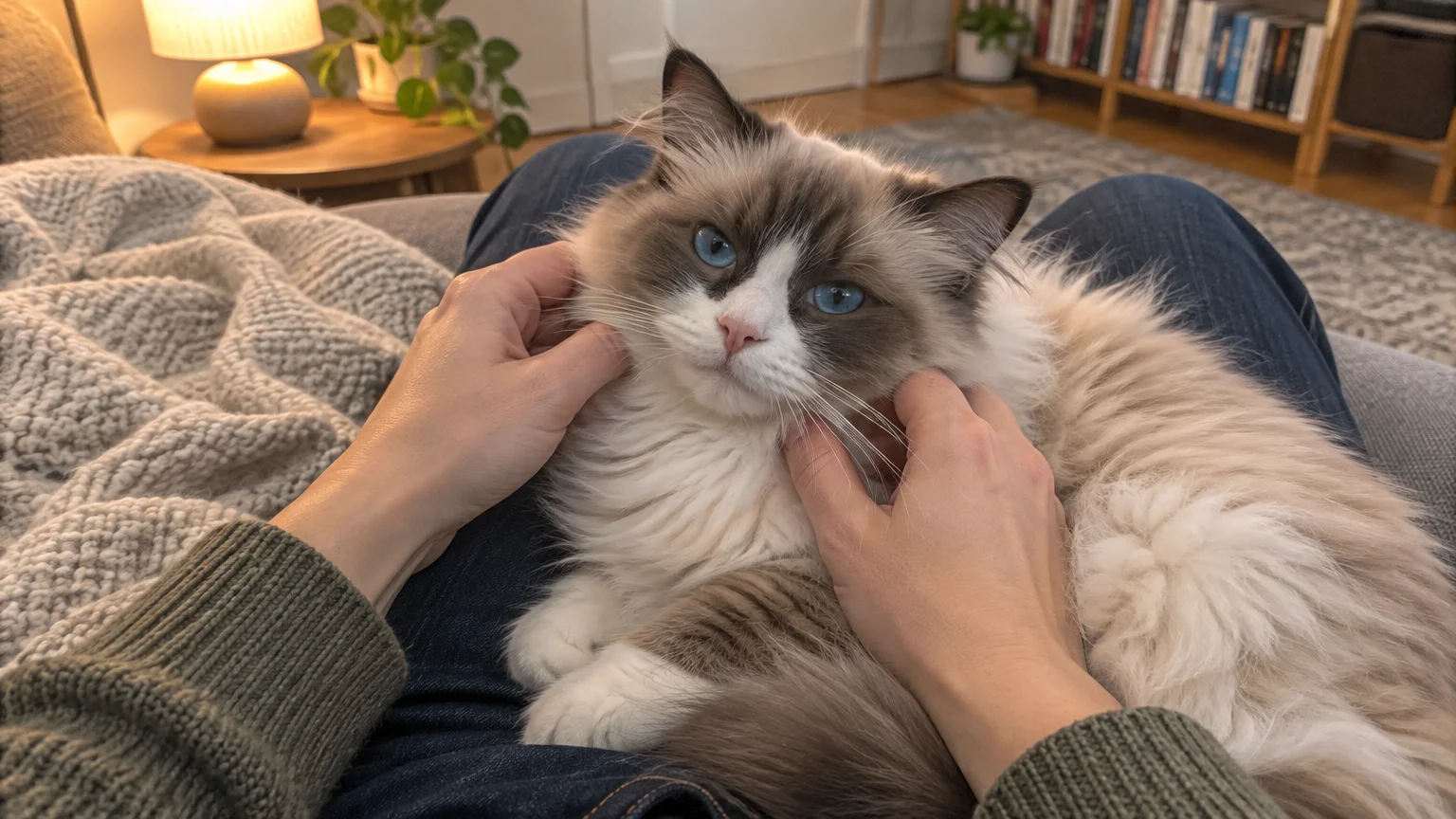
Start a Quiet Bonding Ritual Tonight
You do not need loud chatter to build a deep friendship with your cat. Tonight, sit quietly on the floor, offer a slow blink, and let your companion lean into gentle chin scratches.
Pair five minutes of calm brush time with a small treat before bed. Over time, that peaceful routine becomes a daily language of trust you both look forward to sharing.